• What benefits does Optical Coherence Tomography bring to the healthcare industry?

    I. (Core Value: Unparalleled Diagnostic Capability


    High-resolution, non-invasive “optical biopsy”

    Traditionally, to make a clear diagnosis of many diseases, a biopsy was required, which involves taking a small piece of tissue and observing it under a microscope. This is an invasive operation.

    OCT provides cross-sectional images similar to biopsies, but it is completely contactless and non-invasive. Doctors can directly observe the microstructure of the surface and subsurface layers of tissues inside the body without the need for cutting, significantly reducing risks and patient discomfort.


    2. Real-time imaging, guiding treatment

    OCT imaging is extremely fast and can provide images in real time. This enables doctors to immediately assess the condition of the tissue during surgery or interventional treatment, thereby making more accurate decisions.

    For instance, during cardiovascular interventional surgery, doctors can view in real time the nature of the plaques within the blood vessels and the adhesion of stents.


    Ii. (Main Application Fields and Specific Assistance)

    The application of OCT has expanded from ophthalmology to multiple medical fields. Here are some of its most important applications:

    Ophthalmology - the most mature and widely applied field

    This is a prime example of the success story of OCT technology, which has completely transformed the diagnosis and treatment of retinal diseases.

    Help

    Diagnosis of macular diseases: Precise diagnosis and staging of age-related macular degeneration (AMD), macular edema, macular holes and other diseases is the gold standard.

    Glaucoma management: By precisely measuring the thickness of the retinal nerve fiber layer (RNFL), early diagnosis of glaucoma and objective monitoring of disease progression can be achieved.

    Diabetic retinopathy: Early detection of subtle changes and edema in the retina to guide treatment.

    Impact on the industry: It has led ophthalmic diagnosis from subjective two-dimensional fundus photography to an era of objective and quantitative three-dimensional microstructure analysis.


    2. Cardiology - A rapidly developing frontier field

    Intravascular OCT (IV-OCT) enters the interior of blood vessels through slender catheters for imaging.

    Help

    Precise assessment of plaques: Clearly distinguish lipid plaques, fibrous plaques and calcified plaques, and identify easily ruptured “vulnerable plaques”, which is something that traditional angiography cannot achieve.

    Optimizing stent implantation: During percutaneous coronary intervention (PCI), guiding doctors to select stents of appropriate size and accurately assessing whether the stents are fully adhered and sufficiently dilated after the operation significantly reduces the risk of restenosis and thrombosis after the operation.

    Impact on the industry: It has advanced coronary intervention therapy from the era of “walking according to the route map” with angiography to the era of “navigating with a high-brightness map on” with precision.


    3. Combination of oncology and endoscopy

    Integrating the OCT probe into the endoscope enables deep scanning of suspicious areas simultaneously during endoscopic examinations of the digestive tract, respiratory tract, etc.

    Help

    Early cancer diagnosis: In the gastrointestinal tract, respiratory tract, bladder and other areas, distinguish benign lesions from early cancer, guide the biopsy location, and increase the positive rate of biopsy.

    Determine the tumor boundary: Assist surgeons in determining the precise boundary of the tumor during surgery to ensure complete resection while preserving as much healthy tissue as possible.

    Impact on the industry: It has enhanced the depth and accuracy of endoscopic examinations and promoted the screening and diagnosis capabilities for early-stage tumors.


    4. Dermatology

    Skin OCT is similar to ophthalmic OCT and can perform high-resolution imaging of the skin’s surface layer.

    Help

    Non-invasive diagnosis: It assists in the diagnosis of skin tumors such as basal cell carcinoma and melanoma, as well as inflammatory diseases like eczema and psoriasis.

    Treatment monitoring: Non-invasive monitoring of the efficacy of drug treatment or laser treatment.

    Impact on the industry: It has reduced the need for some diagnostic biopsies and provided new tools for the dynamic monitoring of skin diseases.


    Iii. (Summary of the Overall Impact on the Healthcare Industry)

    1. Enhance the level of diagnosis and treatment: Early diagnosis, precise staging and personalized treatment of diseases have been achieved.

    2. Enhance patient experience: Through non-invasive or minimally invasive examinations, patients’ pain, risk of complications and recovery time are reduced.

    3. Reduce medical costs: Although OCT devices themselves are expensive, they can lower overall medical expenses in the long run by avoiding unnecessary surgeries, optimizing the treatment process and reducing complications.

    4. Promoting scientific research development: It provides powerful in vivo imaging tools for medical research, accelerating the development of new drugs and in-depth understanding of disease pathological mechanisms.


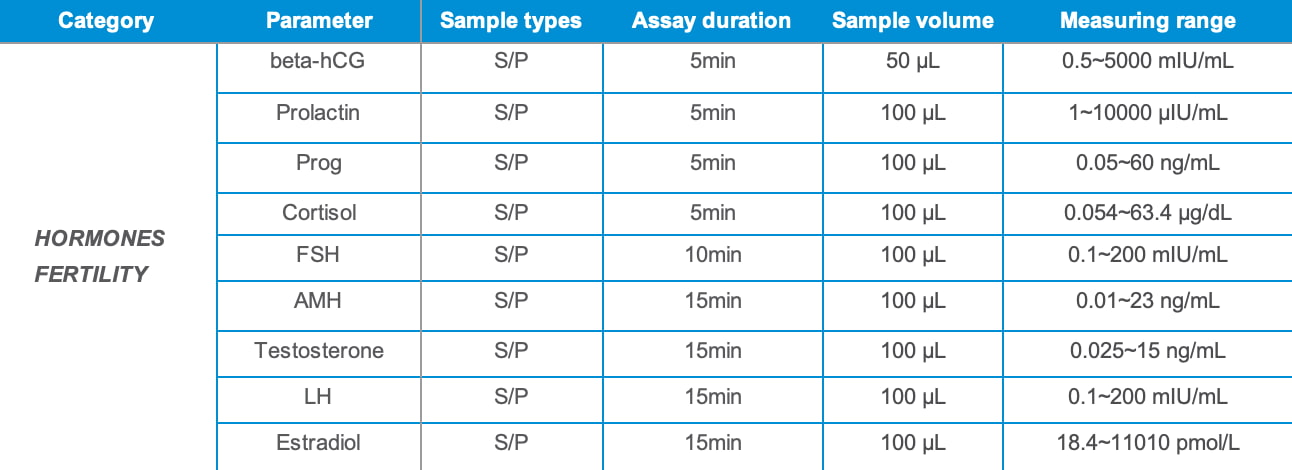
  • Expand Your Diagnostic Portfolio - Rapid Tumor Marker Testing with Poclight CLIA Solutions

    1.  Global Cancer Burden: Facts & Figures

    The Rising Global Cancer Burden

    According to the latest report from the World Health Organization (WHO) and its cancer agency, IARC, there were approximately 20 million new cancer cases and 9.7 million deaths worldwide in 2022, with around 53.5 million people alive within five years of a cancer diagnosis.


    Global Cancer Incidence


    Lung, breast, and colorectal cancers were the three most common types, with lung cancer remaining the leading cause of death. Low-income countries face higher mortality due to late diagnosis and inadequate care.


    By 2050, global new cancer cases are projected to reach 35 million, with the largest increases in low- and middle-HDI countries. WHO calls for strengthened cancer care coverage and investment to ensure accessible, high-quality cancer diagnosis and treatment for all.


    The Importance of Early Screening

    ● Up to 40% of cancer-related deaths could be prevented through early detection and timely intervention. (The Lancet Global Health)

    ● Developed countries show higher screening coverage, while accessibility remains a challenge in developing regions.

    ● The trend toward multi-cancer early detection (MCED) is accelerating globally, promoting a more comprehensive approach.


    For Breast Cancer Awareness Month (October)

    ● Breast cancer is the most common cancer among women worldwide.

    ● Self-examination is recommended starting at age 20.

    ● Women over 40 are advised to undergo imaging combined with biomarker screening every 1–2 years.

    ● Early detection (Stage I) can lead to a 5-year survival rate exceeding 90%.

    Recommendations and statistics are based on sources, including WHO guidelines, the American Cancer Society (ACS), EUSOMA guidelines, and global cancer data from GLOBOCAN/IARC and the NCI SEER database.


    2.  Key Tumor Markers and Their Clinical Significance


    Biomarker

    Associated Cancer Type(s)

    Clinical Use

    PSA

    Total Prostate-specific antigen (tPSA)Test Kit

    Prostate Cancer

    Routine screening marker; early detection and therapy monitoring

    CEA

    Multiple Cancers (colorectal, lung, breast, etc.)

    Broad-spectrum marker for diagnosis aid and recurrence monitoring

    AFP

    Liver Cancer

    Key indicator for hepatocellular carcinoma screening and differentiation

    CYFRA21-1

    Lung Cancer (especially squamous type)

    Supports diagnosis and treatment evaluation

    CA19-9

    Pancreatic & Gastrointestinal Cancers

    Digestive system malignancies and therapy monitoring

    CA125

    Ovarian Cancer

    Screening and disease progression evaluation in female patients


    Combining markers increases sensitivity and specificity by compensating for individual testing limitations:

    ● Ovarian cancer: CA125 + HE4 achieves 93.8% accuracy.

    ● Pancreatic cancer: CA19-9 + CEA + CA125 raises sensitivity to 82%.

    ● Prostate cancer: f/t PSA ratio reduces false positives by 30% in the gray zone.


    Application Department


    3.  Poclight’s Innovative Diagnostic Solutions


    In today’s evolving healthcare landscape, laboratories and diagnostic providers are seeking faster, more reliable, and accessible cancer testing solutions, yet traditional immunoassay systems often require high costs, long turnaround times, and complex operation.

    Poclight offers a comprehensive portfolio that empowers both distributors and laboratories to expand access to high-quality cancer diagnostics anywhere, anytime.


    1) Advanced Platform: C5000 Dry Chemiluminescence Immunoassay Analyzer (Dry CLIA Analyzer)

    C5000 CLIA Analyzer


    2) Featured Tumor Marker Panel

    ✓ Combined tumor marker testing: PSA, CEA, AFP, CYFRA21-1, CA19-9, CA125

    ✓ Covers multiple major cancer types (liver, lung, prostate, gastrointestinal, ovarian)

    ✓ Fast, accurate, and suitable for hospitals, health centers, and primary care facilities


    Poclight Tumor Markers Specifications


    ✓ Rapid detection in just 5 minutes, minimal sample volume of 50 µL, simple operation, low cost, high-quality CLIA methodology, innovative CRET patented technology, precise results, and a wide linear detection range.


    Ease of Use: Minimal training required

    Operation


    More tumor marker and other assays in progress


    Poclight Biotech is actively seeking global partners who share our vision for accessible, high-quality diagnostics.

    Reach out to us to explore collaboration opportunities or to learn how our solution can fit into your portfolio.

  • How Optical Coherence Tomography Constructs a “Data Vault” Compliant with Cybersecurity Protection Standards

    The first step: Demarcate the boundaries of the “safe” and the environment (regional boundary security)
    OCT devices

    should not be directly exposed to public networks. First, it is necessary to plan the security domain.

    1. Network partition isolation

      Medical equipment dedicated network: OCT devices, PACS servers, image storage servers, etc. are classified into an independent VLAN and logically isolated from the office network and the Internet.

      Firewall policy: Deploy firewalls at the network boundary and strictly follow the “principle of least privilege”. Only specific and necessary ports and IP addresses are allowed for communication (for example, port 104 of the DICOM protocol, a specific port of the hospital information system). Any illegal external access is prohibited.
    2. Physical Access Control

      The computer room where OCT equipment and core servers are placed should implement strict physical access control and video surveillance management to prevent unauthorized physical contact.

      Step 2: Build a sturdy box for the "safe" (secure computing environment)
      This is the core layer that protects the data itself.
      OCT Equipment and Terminal Security:
      Strengthen the operating system: Enhance the security of the operating system of the industrial control computer or computer built into the OCT device, as well as that of the diagnostic workstation.
      Anti-virus software: Install hospital-specific anti-virus software and update the virus database regularly.
      Identity authentication: It is mandatory to log in to the system with a unique personal username and a strong password. For the third-level information security protection, two-factor authentication should be mandatory.
    3. Data storage encryption (lock of the safe) :

      Static data encryption: All OCT image data must be encrypted when stored on the disk. Available options:

      Transparent database encryption: Encrypting sensitive fields in the database.

      Storage layer encryption: Encrypt the entire disk or volume using the built-in encryption function of the storage device or operating system-level encryption.

      File-level encryption: Encrypting a single DICOM file.

      Key management: Encryption keys must be uniformly managed by a professional key management system, stored separately from encrypted data, and rotated regularly. This is the key point of the requirements for the equal protection.
    4. Application Security

      Ensure that the PACS software and OCT device software themselves have no known high-risk vulnerabilities, and conduct regular security assessments.

      Step 3: Ensure "safety during transportation" (communication network security)
      When data is transmitted between OCT devices, PACS servers and diagnostic workstations, it is necessary to prevent eavesdropping and tampering.
    5. Transmission encryption

      Enforce the use of encryption protocols such as DICOM over TLS or DICOM over HTTPS to replace the traditional plaintext DICOM protocol. This ensures that data is encrypted when transmitted over the network, similar to HTTPS protecting web page communication.

      For scenarios such as remote consultation that require cross-internet transmission, a VPN encrypted tunnel must be established.

      Step 4: Establish a monitoring and management center for the "safe deposit box" (Safety Management center)
      This is the brain and nerve center of the "safe", responsible for monitoring, auditing and emergency response.
    6. Log audit (recording who opened the box) :

      Collect all logs related to OCT data centrally, including: user login/logout logs, logs of OCT image creation, modification, deletion, access, printing, export and other operations. These logs must be retained for no less than six months.

      The information security protection level requires that the content of logs cannot be tampered with, so it is necessary to deploy a professional log auditing system.
    7. Database Audit

      For operations that directly access the database, a database auditing system is deployed to record all access behaviors to OCT data tables, especially high-risk operations.
    8. Operation and Maintenance Management and Security Audit

      Video the operations of system administrators and record instructions to achieve traceability.

      Regularly conduct security risk assessments and vulnerability scans.
    9. Data Backup and Recovery (Spare key for the safe) :

      Formulate a complete data backup strategy and regularly back up OCT image data and related patient information.

      Regularly conduct disaster recovery drills to ensure that business and data can be quickly restored in the event of data loss, system downtime or ransomware attacks. Backup data also needs to be encrypted for protection.


      Also welcome to contact us, we are ZD Medical Inc.
      Tel : +86-187 9586 9515
      Email : sales@zd-med.com
      Whatsapp/Mobile : +86-187 9586 9515

  • International Day of the Blind丨Illuminating Vision ZD Medical OCT Builds a Robust Defense for Retinal Health

    The International Day of the Blind on October 15th every year is a day that calls for attention to eye health and conveys the hope of light. When we focus on the living predicaments of the visually impaired group, a set of data should prompt more deep thought…

    The silent threat of blindness: The insidious nature of retinal diseases


    Retinal diseases such as diabetic retinopathy (DR) and age-related macular degeneration (AMD) have become the leading causes of irreversible blindness in China, and most patients have missed the best intervention opportunity by the time they show obvious symptoms. According to statistics, over 250 million people worldwide suffer from vision impairment, and nearly half of them can avoid it through early intervention. However, the limitations of traditional examination methods have caused many patients to miss the best treatment opportunity. In this race against darkness, ZD Medical  precise diagnosis and treatment solutions centered on optical coherence tomography (OCT) scanners are becoming a key force in preventing blindness.


    Zhiding OCT: Solving the Problem of Early Diagnosis with "Microscopic Insight"

    The fundus, as the core hub for visual signal transmission, often serves as an "early warning" for blindness due to its microscopic lesions. Traditional examination methods are difficult to capture the subtle changes between retinal layers. However, OCT technology has achieved a breakthrough by virtue of its unique advantage of "optical biopsy" - through the principle of weak coherent light interference, it can reconstruct two-dimensional and three-dimensional images of the fundus with millimeter-level depth and micrometer-level resolution Clearly present key lesion markers such as intraretinal effusion (IRF) and subretinal effusion (SRF).


    The core technology adopted by ZD Medical OCT can complete a full retinal scan within 3 seconds, and the image resolution is 40% higher than that of traditional equipment. Even the tiny protrusions in the retinal pigment epithelial layer of early-stage AMD patients can be accurately captured. The built-in AI+ remote film reading function of the device, along with online review by retinal disease experts, covers all ophthalmic diseases. This effectively empowers primary medical institutions, breaks through the limitations of time, space and resources, standardizes diagnostic results, reduces the occurrence of missed and misdiagnoses, and minimizes clinical risks to the greatest extent. As emphasized in the "2025 Expert Consensus on OCT in the Fundus of China", OCT's ability to identify early lesions far exceeds that of traditional color fundus photography, and the positive screening rate is significantly higher, thus buying precious time for preventing blindness.


    Technology for Good: From Diagnostic Devices to the Construction of a Blindness Prevention Ecosystem

    The mission of ZD Medical is not only to provide hardware equipment, but also to build an integrated blindness prevention system of "prevention - diagnosis - management". We have collaborated with multiple hospitals to carry out the "Grassroots Retinal Disease Screening Program", using OCT equipment to reach communities and rural areas, enabling patients in remote regions to also enjoy precise diagnostic services. Meanwhile, the remote film reading function of the software platform has broken through geographical restrictions, enabling high-quality medical resources to flow efficiently.
    Dry Eye Detector D600

    Take responsibility as the tripod: Build the line of defense of light into every inch of land

    The significance of the International Day of the Blind lies not only in caring for those who have lost their sight, but also in safeguarding the visual health that still exists. "Leading with technology and safeguarding light", the value of OCT has never been limited to precise imaging; rather, it lies in making the concept of "early detection and early intervention" for blindness prevention take root through the popularization of technology. On this International Day of the Blind, we firmly believe that when every ZD Medical OCT device starts to operate, it is blocking the darkness for a family. When every precise report is generated, it is lighting up hope for patients! The protection of light is never an accidental stroke of luck, but an answer jointly written by technology and responsibility. Zhiding Medical will continue to take technological innovation as its pen and clinical needs as its ink, and forge ahead firmly on the path of preventing blindness.


    Also welcome to contact us, we are ZD Medical Inc.
    Tel : +86-187 9586 9515
    Email : sales@zd-med.com
    Whatsapp/Mobile : +86-187 9586 9515

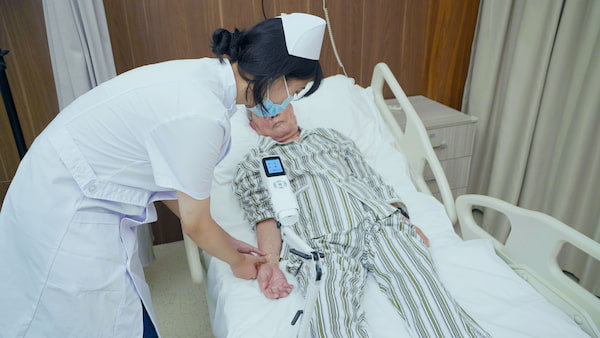
  • The comfort and security of Vein Finder

    I. Patient Comfort Experience


    Comfort focuses on positive physical and psychological feelings, emphasizing “painless” and “relaxed”.

    1- Contactless and pressure-free scanning process:

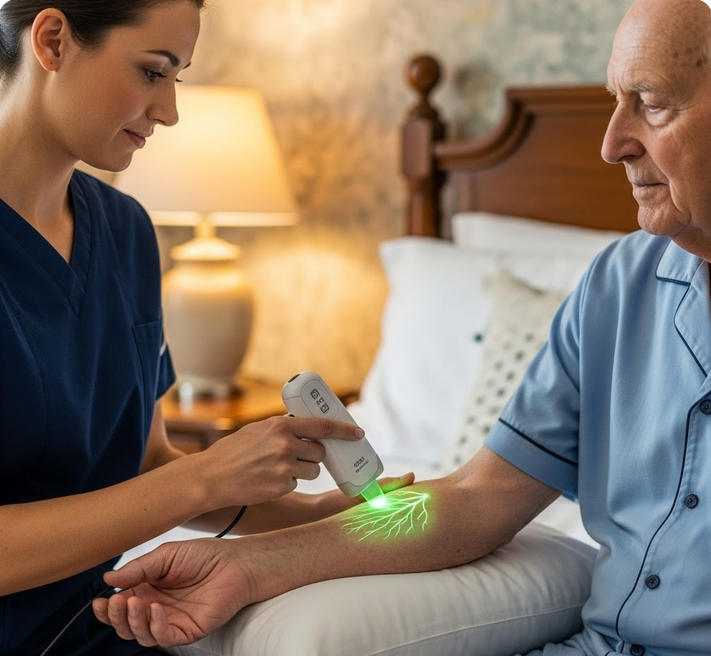
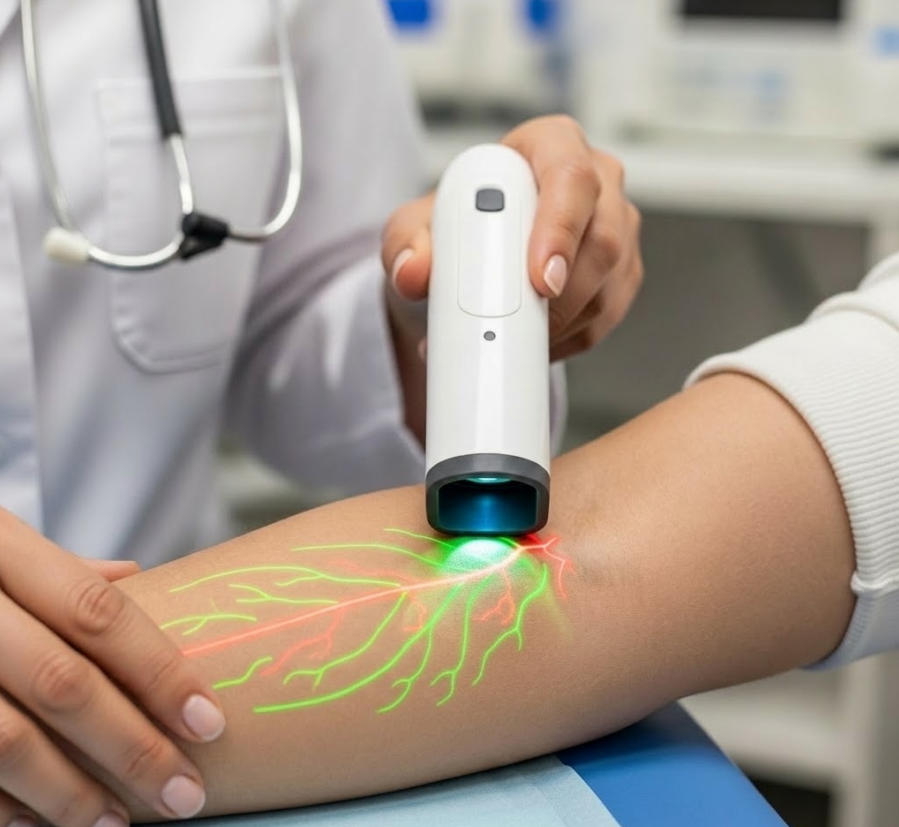
    Experience: The device scans just a few centimeters above the skin without touching the body at all. Compared with the tight feeling of traditional tourniquets and the pressure sensation when nurses touch and search for blood vessels, this is a zero-invasive and zero-discomfort experience.

    Value: Especially suitable for patients with sensitive skin, burns or trauma, it avoids the pain that may be caused by contact.

    2- Painless and non-invasive imaging technology:

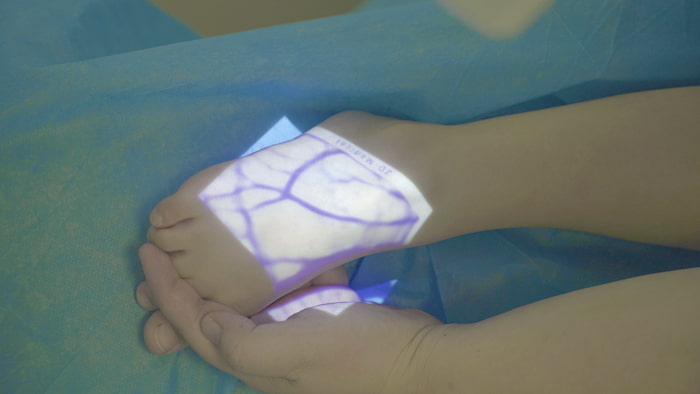
    Experience: Vein Finder typically uses safe near-infrared light. The patient cannot see this kind of light and does not feel any stimulation at all, just like being illuminated by an ordinary flashlight. However, they can see the vascular images magically projected onto their skin.

    Value: It eliminates the fear of technologies such as “radiation” and “laser”, and the process is very gentle.

    3- Distract attention and relieve anxiety

    Experience: For children and patients who are afraid of needles, seeing a clear image of the blood vessels on their arm is like an interesting “magic trick” or video game, which can effectively divert their attention from the upcoming puncture.

    Value: Transforming a terrifying experience into a novel technological interaction significantly reduces psychological tension.

    4- Shortened the anxiety time in the preparation stage:

    Experience: Nurses no longer need to repeatedly touch and pat their arms for a long time to search for blood vessels. The “instant positioning” reduces the patient’s torment while waiting for puncture.

    Value: The process is smooth and rapid, avoiding the prolonged anxiety caused by uncertainty.


    Ii. Establishment of Patients’ sense of security

    Security stems from a sense of “controllability” and “trust” in the process, emphasizing “reliability” and “peace of mind”.

    1- The sense of control brought by visualization:

    Experience: Patients can see the distribution of their subcutaneous blood vessels with their own eyes and understand the reasons why nurses choose puncture points. This “information transparency” endows patients with an unprecedented sense of participation and control.

    Value: Transforming from a passive recipient to an active participant has greatly enhanced psychological security. “I can see it, so I’m relieved.” “

    2- Expectations for high success rates:

    Experience: The patient understands that the purpose of using high-tech equipment is to “hit the nail on the head”. This clear “expectation of success” directly offsets the fear of “repeated puncture failures”.

    Value: Establishing a powerful psychological suggestion that “this operation will go smoothly” is the cornerstone of a sense of security.

    3- Transfer of trust in the skills of medical staff:

    Experience: Vein Finder is regarded as an authoritative auxiliary tool. The patient would think: “The hospital has introduced such advanced equipment, which shows that they attach great importance to and are committed to reducing my pain.”

    Value: The equipment enhances patients’ trust in the professionalism of the entire medical team, and this sense of trust will translate into a sense of security.

    4- Deep Reassurance for Special Groups

    For parents of children: Seeing medical staff operate on their children in such a gentle and precise way brings great comfort.

    For long-term patients (such as those undergoing chemotherapy) : Their blood vessels are fragile and in need of protection. Vein Finder can help select the best blood vessels and avoid damage. This “blood vessel protection” itself is a deep-seated commitment to safety.


    Also welcome to contact us, we are ZD Medical Inc.
    Tel : +86-187 9586 9515
    Email : sales@zd-med.com
    Whatsapp/Mobile : +86-187 9586 9515

  • What are the advantages of Eye Atomization Dry Eye Ophthalmic Nebulizer?

    I. Core Technological advantages: More efficient therapeutic effects


    Ultrafine atomization for more efficient absorption:

    Advantages: It breaks down the liquid medicine or artificial tears into extremely fine mist-like particles (usually with diameters ranging from 1 to 5 micrometers), which are much smaller than those of traditional eye drops. This enables the drug to cover the entire ocular surface more evenly and thoroughly, including the hard-to-reach meibomian gland openings and conjunctival fornix, significantly increasing the effective absorption area and bioavailability.

    2. Deep nourishment, directly reaching the lesion

    Advantages: The gentle and continuous mist can penetrate to the edge of the eyelid and directly act on the blocked meibomian glands, helping to soften blebum and improve the fundamental problem of “evaporative dry eye”. This is something that cannot be achieved simply by using eye drops.


    Ii. User Experience Advantages: More comfortable and safe

    1. Contactless treatment to avoid secondary injury:

      Advantage: During the treatment process, the eyeball does not need to come into contact with any instruments, greatly reducing the risk of infection that may result from contact (especially for patients with corneal damage or those who have undergone eye surgery). It also avoids the possible contamination of the medicine bottle mouth.
    2. Gentle and comfortable, with an excellent experience:

      Advantages: Compared with the sudden impact and possible stinging sensation when the liquid drops in, nebulization therapy is a gentle, warm and continuous process. Users can receive treatment with their eyes naturally open or slightly closed in a relaxed state, without any foreign body sensation. It is especially suitable for children, the elderly or patients who are afraid of using eye drops.
    3. Maintain the physiological state of the eyes without interfering with the tear film

      Advantage: Traditional eye drops wash away the normal tear film when applied, which may cause temporary blurred vision. Nebulization therapy is carried out in the form of “supplementation” and “moisturization”, without damaging the original structure of the tear film, and the visual quality is more stable after treatment.

      Iii. Functional and Scenario Advantages: More convenient and multi-functional
    4. Multi-functional in one device, capable of both treatment and relief

      Advantages: In addition to using the special liquid prescribed by the doctor for treatment, users can also use sterile normal saline or special artificial tears for nebulization in daily life as a health care method for daily eye moisturization and relieving eye fatigue. It has achieved full coverage from “treatment” to “care”.
    5. Family-oriented and portable, enhancing treatment compliance

      Advantage: With the popularization of portable home nebulizers, patients can bring professional-level care home. There is no need to frequently visit the hospital, which greatly facilitates patients with chronic dry eye syndrome who require long-term management, significantly improves treatment compliance, and thus ensures long-term therapeutic effects.


      Also welcome to contact us, we are ZD Medical Inc.
      Tel : +86-187 9586 9515
      Email : sales@zd-med.com
      Whatsapp/Mobile : +86-187 9586 9515


  • Lab-Quality Thrombosis Testing with Poclight D-Dimer POC CLIA

    1.  Thrombosis: An Overlooked Threat
     

    The International Society on Thrombosis and Haemostasis (ISTH) established World Thrombosis Day (WTD) on October 13 to raise awareness of the global health threat.

    Every year, 1 in 4 people worldwide die from conditions related to thrombosis, the underlying cause of the top three cardiovascular killers: heart attack, stroke, and venous thromboembolism (VTE). - World Thrombosis Day website (2025)

    Venous Thromboembolism (VTE)


    According to WHO data (2001–2023), the global age-standardized mortality rate of pulmonary embolism fell from 3.49 to 2.42 per 100,000. However, rates are rising in some lower-middle-income regions, underscoring the need to strengthen diagnostic capacity. Rapid and accessible POC testing helps bridge this gap where laboratory resources are limited.


    2.  D-Dimer Testing Essentials


    D-dimer is a specific fibrinolysis marker and key laboratory indicator of thrombus formation and breakdown. It rises within 2 hours of clot formation, has a 7-8 hour half-life, and remains stable in blood samples for 24-48 hours. These characteristics ensure its crucial role in diagnosing and monitoring thrombotic diseases.

    Its clinical applications may include the following:

    ● Early Detection of Thrombosis: D-dimer testing is widely used to help rule out venous thromboembolism (VTE) in patients with suspected thrombotic events, particularly when combined with clinical assessment. Rapid detection supports prompt management decisions.

    ● Guiding Further Assessment: Prompts additional imaging or diagnostic tests.

    ● Supporting Anticoagulation Decisions: Helps guide initiation, adjustment, or duration of anticoagulant therapy.


    Test Combination


    Item

    Clinical Use / Recommendation

    D-dimer Test Kit

    Helps rule out suspected DVT or PE (when combined with clinical probability assessment)

    D-dimer + NT-proBNP Test Kit

    Assists in differentiating PE from heart failure in patients with acute dyspnea

    D-dimer + NT-proBNP and/or Troponin I

    Helps rule out PE and assess PE prognosis

    Note: D-Dimer levels can rise due to infection, inflammation, surgery, or pregnancy. It should always be interpreted alongside clinical findings and imaging.


    3.  Poclight D-Dimer Solutions


    D-Dimer Test Kit

    Highly cost-effective, Poclight Biotech’s point-of-care D-dimer Test Kit solutions deliver results within 5 minutes, supporting prompt assessment and care.


    Our Stand-out features:


    1)  Small Sample Volume & Rapid Results

    Only 50 μL of serum or plasma needed, with 5-minute turnaround, ideal for fast clinical decisions.

    Parameter

    Sample type

    Assay duration

    Sample volume

    Cut-Off value

    Measuring range

    D-dimer

    Plasma

    5min

    50 μL

    0.5 mg/L, Higher D-dimer levels suggest clotting activity

    0.25~20 mg/L


    2)  Freeze-dried reagents: no cold chain, 18 months shelf life, simplifying storage and transport.

    3)  High accuracy and excellent precision (CV < 5%)


    DDimer Performance


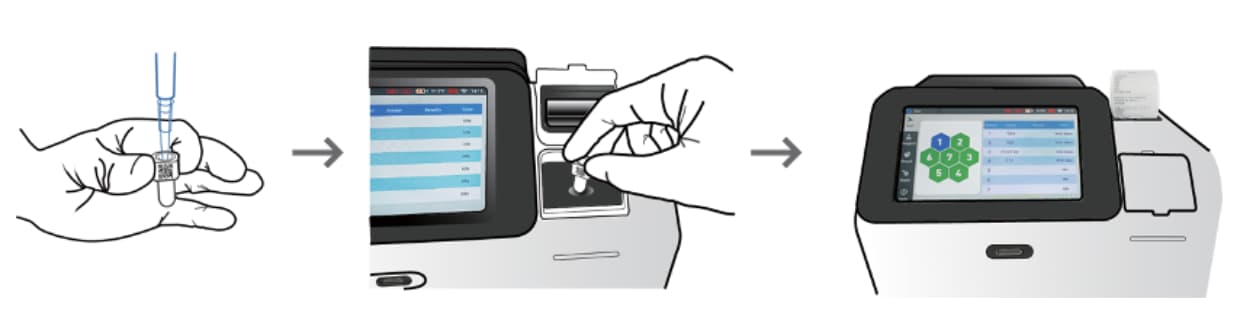
    4)  Applicable with the C5000 POC CLIA Analyzer: 3-Step Operation, Maintenance-Free

    C5000 Operation


    Contact us to learn about local distributors and pricing options for Poclight D-dimer solutions.

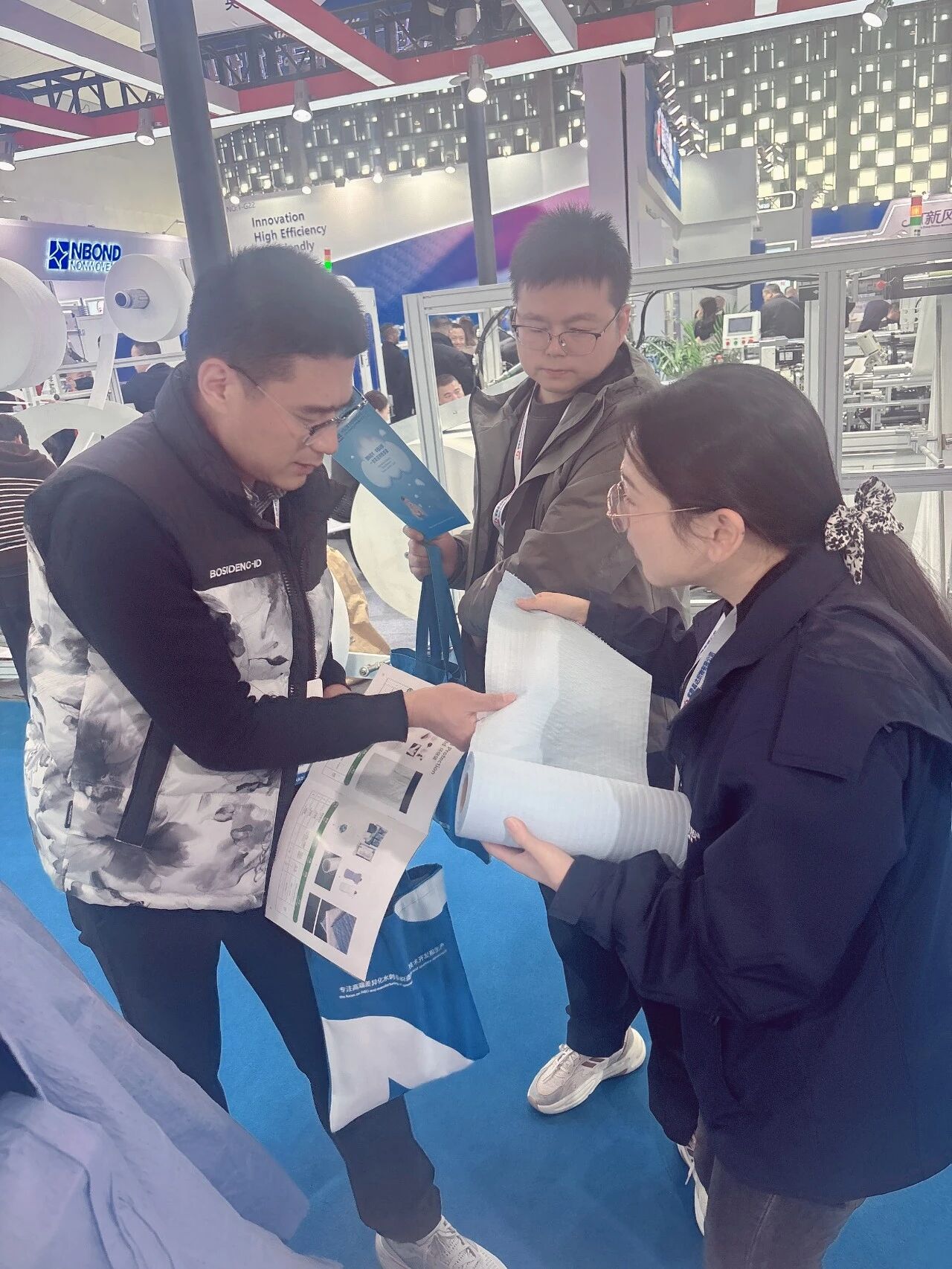
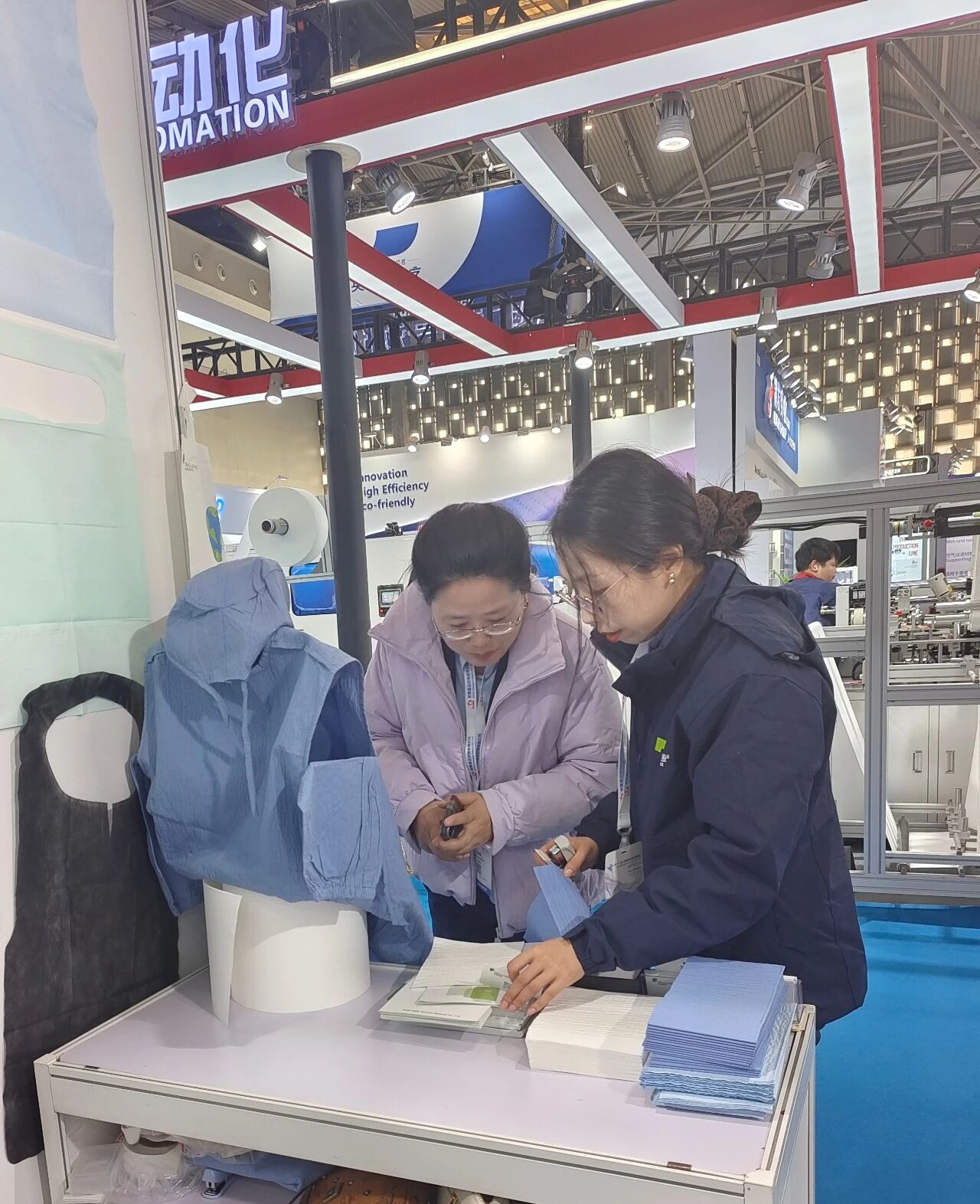
  • Disposable Paper Bedsheet Roll Hygienic Medical Couch Rolls for Clinics

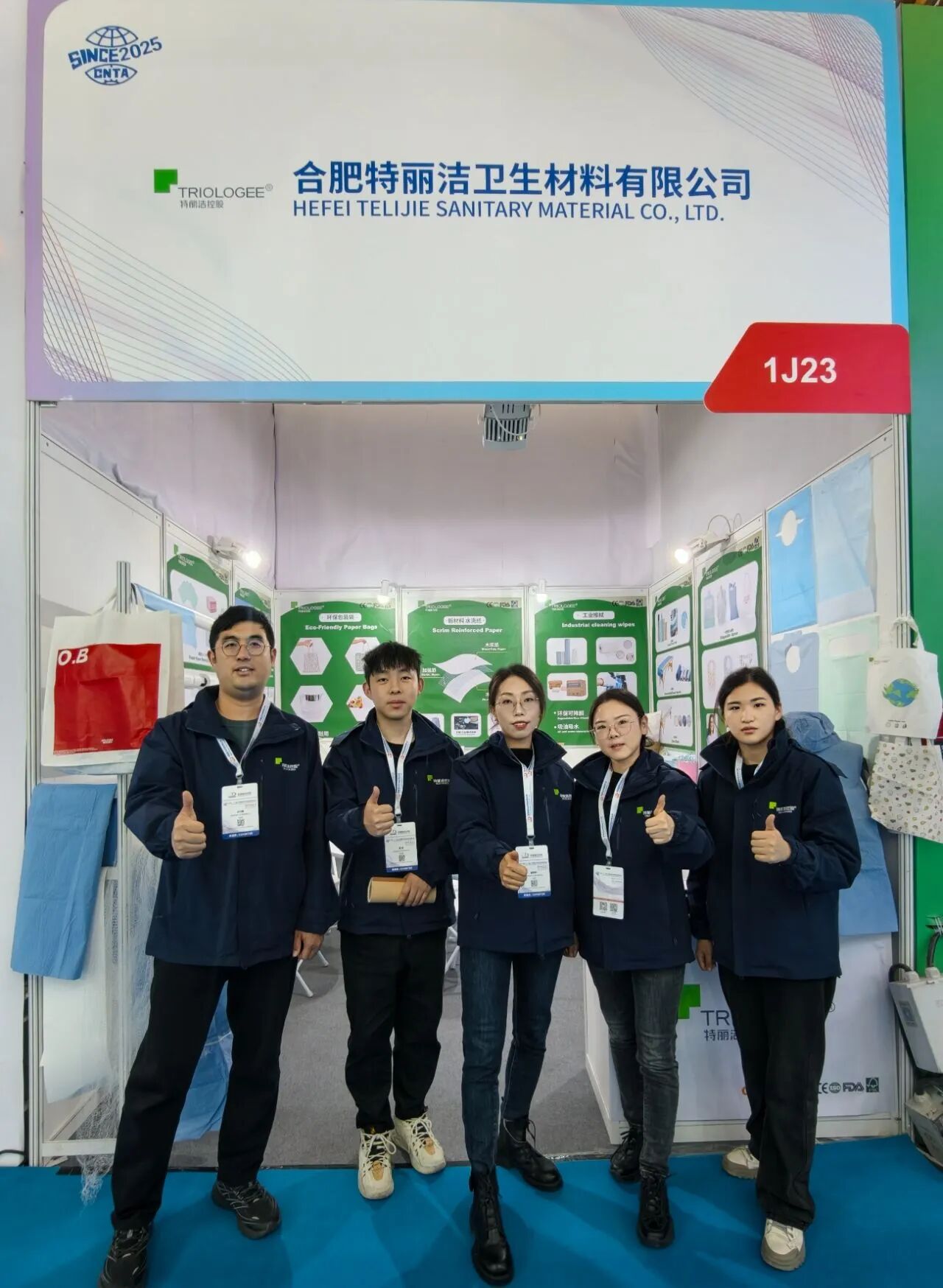
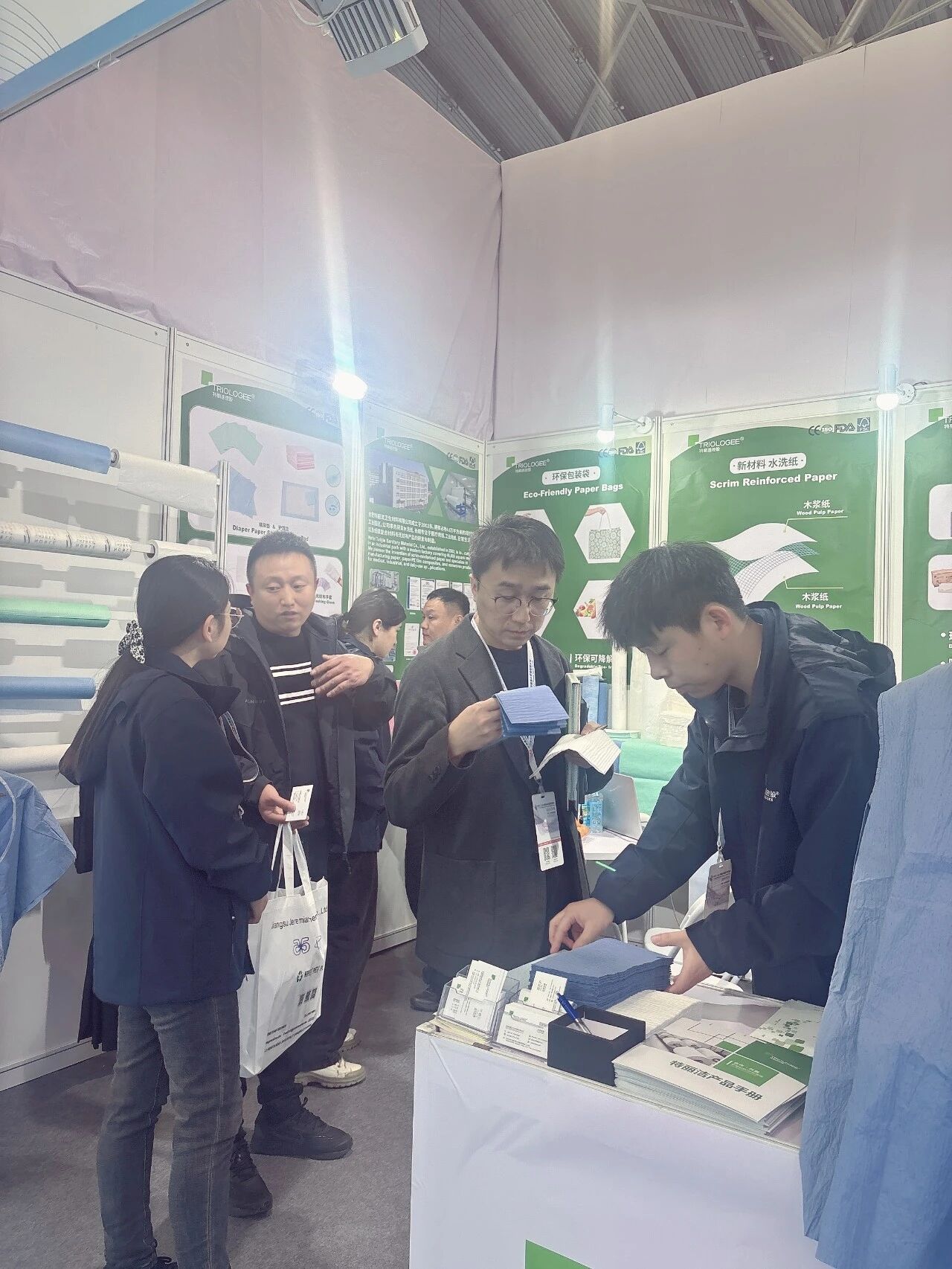
    A clean, comfortable exam experience starts with the little details — and a high-quality Disposable Paper Bedsheet Roll makes a big difference. Clinics, spas, and mobile healthcare teams rely on disposable sheets to maintain hygiene between patients while keeping setup and cleanup quick. Designed for single-use convenience, these rolls help reduce cross-contamination risks and improve workflow in busy exam rooms.


    For practitioners who need reliable, professional coverings, options such as Medical Couch Rolls and the Examination Couch Cover Roll are engineered to fit standard couches and trolleys, tear cleanly at perforations, and provide a soft, skin-friendly barrier. Good rolls balance strength and softness, resist minor fluids, and are available in a range of widths and ply to suit consultations, procedures, and physiotherapy sessions — all while being lightweight to store and simple to replace between patients.


    At our factory we combine practical design with production discipline. With over 20 years’ experience manufacturing disposable medical disposables and supplying the global market, we offer OEM/ODM flexibility, consistent quality control, and competitive lead times. Customers benefit from tailored sizing, custom printing, and small-batch sampling so you can trial products before committing to larger runs. Our teams handle logistics and documentation for international shipping, making it straightforward to stock exam rooms anywhere in the world.


    Choose Telijie when you want more than a product: you get a partner. Telijie’s strengths include stable, in-house manufacturing capacity, rigorous inspection at every stage, and dedicated account managers who respond quickly to orders, samples, and after-sales requests. We support healthcare buyers with clear packaging, compliant production practices, and flexible service options to match your inventory and budget needs — helping clinics and distributors maintain high standards without hassle.

  • Revolutionizing Platelet Function Testing with Homogeneous CLIA Technology

    1.What is Platelet?

    Platelets, fragments of cytoplasm derived from bone marrow megakaryocytes, play a central role in hemostasis and thrombosis. When blood vessels are injured, platelets adhere, activate, and aggregate to stop bleeding. Abnormal platelet function can lead to bleeding disorders or thrombotic events. With the widespread use of antiplatelet drugs, such as aspirin and clopidogrel, precise assessment of platelet activation function is increasingly important. Poclight’s next-generation Homogeneous CLIA (Chemiluminescence Immunoassay) technology brings a new level of accuracy and speed to platelet function testing.

    .What Are Platelets


    2.Platelet Function and Clinical Significance

    Platelet-mediated hemostasis involves three key steps:

    a. Adhesion

    When the endothelium is disrupted, platelets adhere to the vessel wall via von Willebrand Factor (VWF) and collagen. This process is mediated by glycoprotein receptors CD42a/b/d (GPIb-IX-V), a critical step in platelet adhesion.

    b. Activation

    Platelets are activated through G-protein-coupled receptors binding to ligands such as thrombin, ADP, ATP, and prostanoids. Activated platelets change shape to a dendritic or octopus-like form.

    c. Aggregation

    Activated platelets are interconnected by fibrinogen and receptors CD41/61 (GPIIb/IIIa). Platelet granules release their contents into the extracellular fluid, among which CD62P (P-selectin) promotes platelet aggregation through platelet–platelet and platelet–fibrin interactions.


    Platelet function

    Hemostasis and thrombosis: The Key Role of Platelets 

    Physiological function: The biological behavior and function of platelets are extremely complex. This includes participating in hemostasis and coagulation, maintaining vascular function, regulating inflammation, the body's immune defense, wound healing, tumor growth and metastasis, etc. Therefore, in clinical activities, the monitoring of platelet functionality is receiving increasing attention.

    The average lifespan of platelets is 7 to 9 days. Senescent and dead platelets are eventually phagocytosed and processed in the spleen through the bloodstream.


    Clinical Significance

    1. Thrombosis Risk Assessment:  Patients with Hypertension, diabetes,coronary, artery disease,and other cardiovascular condition, as well as those on antiplatelet or anticoagulant therapy.
    2. Pre/Postoperative Evaluation: Predicting thrombus formation and guiding prophylactic measures.
    3. Platelet Dysfunction Disorders: For example, Glanzmann’s thrombasthenia (CD41/61 deficiency) and Bernard-Soulier syndrome (CD42a/b/d deficiency).
    4.  Antiplatelet Therapy Monitoring: Supporting decisions for drugs like clopidogrel, ticagrelor, and prasugrel.
    5. Various detection functions:


    Defect of platelet momoprotein receptor

    CD61(GP IIIa)

    CD(GP IIb)

    CD42a(GP I X)

    CD42b(GP I b)


    Platelet Activation

    CD62P(P

    selectin)

    CD61(GP IIIa)

    CD61

    Antibody(PAC-1)

    CD45(White blood cell platelet aggregation)

    Platelet Function

    AA-CD62P

    ADP-CD62P


    3. Advantages of Poclight Platelet Activation Function Test

    Feature

    Description

    Accurate & Fast

    Quantitative results in just 5 minutes, enabling rapid clinical decisions.

    Portable & Minimalist

    One-step sample addition, maintenance-free, suitable for point-of-care testing.

    True & Reliable

    Technical details to be provided by the team to support this claim.

    Quality Assurance

    Supports quality control products and continuous QC checks, ensuring reliable results.

    reagent testing

    Technical Highlights:

    Employs Homogeneous CLIA technology to detect multiple platelet surface markers (CD41, CD42, CD61, CD62P) for comprehensive assessment.

    Evaluates the full spectrum of platelet function—adhesion, activation, and aggregation—delivering more comprehensive and physiologically-relevant results.


    4. Compatible Devices

    The Poclight Platelet Activation Function Test is fully compatible with Poclight latest C5000 Analyzer, offering seamless integration into clinical and point-of-care settings. Key compatibility features include:

    1. Plug-and-Play Operation: Simple one-step sample addition for immediate testing.
    2. Portable Analyzer Integration: Works with compact, maintenance-free devices suitable for outpatient clinics or bedside monitoring.
    3. Future Expansion: Designed to support upcoming analyzer models based on the Homogeneous CLIA platform.
    4. Note: For detailed technical specifications and compatibility with your laboratory instruments, please contact our technical support team at overseas@poclight.com.

     Chemiluminescence immunoassay solution


    5. Clinical Applications

    1. Outpatient Thrombosis Risk Screening: Quickly assess high-risk patients and guide antiplatelet therapy.
    2. Pre/Postoperative Monitoring: Track platelet activity changes to optimize surgical management.
    3. Antiplatelet Drug Efficacy Evaluation: Support individualized medication decisions and reduce bleeding or thrombotic events.
    4. Diagnosis of Platelet Dysfunction Disorders: Provide molecular-level insights for rare platelet diseases.


    6.Influencing factors

    1. Genetic factors: Genes determine each person's basic platelet activity and their response to drugs.
    2. Drugs: Antiplatelet drugs, NSAIDs (such as ibuprofen), certain antibiotics, antidepressants, etc., can all affect their function.
    3. Disease status: Chronic diseases such as diabetes, kidney disease, and autoimmune diseases are often accompanied by high platelet reactivity (easier to form blood clots).
    4. Lifestyle:

    Diet: Omega-3 fatty acids, garlic, ginger, certain vitamins (such as VC, VE) may inhibit platelet function.

    Smoking and drinking: Smoking activates platelets, while moderate drinking may inhibit them.

    Physiological conditions: Stress, exercise, and aging can all increase platelet activity.


    7.Future Outlook

    Platelet activation function testing is evolving towards speed, portability, standardization, and intelligence. Poclight’s Homogeneous CLIA platform not only shortens testing time but also delivers reliable, high-quality data, supporting precise assessment of bleeding and thrombotic risk. With ongoing technological innovation, this approach will play an increasingly vital role in precision medicine and individualized patient care.


    8.Chemiluminescence resonance energy transfer(CRET)

    Detection principle:

    CRET cell technique utilizes the molecules on the platelet membrane to specifically fix and bind to the corresponding antibody 1-labeled DNA1, antibody 2-labeled DNA2, and AE-labeled DNA3 to form complexes. By detecting the light intensity via CRET, the expression levels of various antigens and receptor molecules in the sample can be detected.

    Project Reference Interval Project

    Reference Interval

    CD62P

    1.04-4.52%

    CD42a

    82.65-100%

    CD61抗体

    0-10%

    CD42b

    81.86-100%

    CD61

    60-92.13%

    CD45

    12.95%-46.04%

    CD41

    90.7-99.0%


    Detection method:

    1. Nucleic acid technology is integrated into immunodiagnosis, leveraging the proximity efffect of nucleic acids takes effect.
    2. The properties of graphene oxide are strategically utilized, eliminating the need for magnetic beads and their associated separation and washing steps, and simplifying the fluidic path.
    3. The introduction of enzymatic cycling amplification technology enhances detection sensitivity by 1 to2 orders of magnitude, improving overall performance while simultaneously simplifying the process.


    Advantage:

    CRET compensates for the drawbacks of flow cytometry and enables:

    1. Fast, reliable detection in just 5-10 minutes.
    2.  A simple and minimalist operational procedure.
    3. Low-cost testing with no hidden fees.
    4. Easy adoption in all levels of hospitals and departments.
    5. Accurate in vivo status: Not affected by platelet aggregation or in vitro activation issues. 


    Contact Us

    E-mail: overseas@poclight.com


  • Sustainable Strength Degradable Packaging Bag Raw Material for High-Performance Scrim Paper Packaging Bag Solutions

    Choosing the right Degradable Packaging Bag Raw Material is the first step toward packaging that performs and protects the planet. Today’s brands need materials that combine durability with responsible end-of-life options — our degradable, high-strength small-grid material delivers both. Lightweight yet tough, it works as a daily carry bag or a heavy-duty packaging solution, giving you the look and performance of conventional bags while supporting greener supply chains.


    For customers who want paper-like structure or extra tear resistance, the Scrim Paper Packaging Bag option complements our degradable material beautifully. The unique small-grid composition offers excellent load bearing and excellent printability, so logos and multi-color artwork reproduce with high fidelity and consistent color across large runs. Whether you choose a scrim paper finish or the textured degradable film, both options are engineered for repeatable quality and reliable handling in retail and logistics environments.


    We supply both raw materials and finished products, and every order can be tailored — size, weight (gsm), handle type, post-processing, and full-color branding are all customizable to your specification. Small, medium or large batches are supported: as a factory we offer flexible minimums, pre-production samples, and stable color matching so your brand appears exactly as intended. Customers can send artwork or samples for precise quoting and a tailored production plan.


    Beyond product performance, we back shipments with strict quality control and export services so your orders arrive on time and in spec for global markets. Our degradable bags are designed for durability in daily use while also addressing growing consumer demand for environmentally responsible packaging — a practical, attractive option for retailers and brands seeking measurable improvements without sacrificing function.


    With more than 20 years as a factory serving the global market, Telijie brings product expertise and service advantages you can count on. We combine hands-on manufacturing experience with responsive design support, quick and transparent quoting, flexible MOQ policies, robust quality inspections, and export documentation assistance — all aimed at making customization simple and reliable. If you need dependable Degradable Packaging Bag Raw Material, Scrim Paper Packaging Bag options, or finished branded bags ready for worldwide delivery, Telijie is ready to help — send your artwork or sample for a fast quote and tailored solution.