• Peptest in Clinical Practice A Non-Invasive Screening Tool Available Across Specialties

    For years, diagnosing laryngopharyngeal reflux (LPR)—often called silent reflux—has been a challenge. Symptoms such as chronic cough, hoarseness, throat clearing, and a sensation of a lump in the throat can overlap with allergies, sinusitis, or voice disorders. Traditional diagnostic methods, including flexible laryngoscopy and 24hour multichannel intraluminal impedance-pH monitoring, are invasive, timeconsuming, and not always accessible in routine clinical settings.


    That is why a growing number of medical professionals are turning to Peptest, a simple, noninvasive saliva test that detects pepsina direct biomarker of gastric reflux. Peptest is now used in hospitals and clinics across multiple specialties, providing objective evidence to support diagnosis and treatment decisions.


    What the Research Shows

    Multiple clinical studies have validated Peptest as a reliable screening tool for reflux disease. A study published in the Journal of Clinical Medicine evaluated Peptest in patients with suspected LPR and found that it demonstrated 100% specificity in detecting the condition, outperforming non‑invasive methods such as the Reflux Symptom Index (RSI) and Reflux Finding Score (RFS). The researchers concluded that a positive Peptest result is “highly supportive of a pathological LPR diagnosis” and noted its value as a screening test for physicians who cannot visualize the larynx, particularly in the context of COVID‑safe, non‑invasive procedures [1].


    In China, a large multicenter study published in the Journal of Digestive Diseases further validated Peptest’s clinical utility. The study enrolled 1032 participants across nine hospitals in Shanghai and Beijing, including 488 patients with non‑erosive reflux disease (NERD), 221 with erosive esophagitis (EE), and 323 healthy controls. The results showed an overall pepsin‑positive sensitivity of 85% [2]. The study concluded that Peptest provides a rapid, non‑invasive alternative to traditional diagnostic methods and improves the accuracy of reflux diagnosis, particularly in a population where reflux disease has been underdiagnosed due to a lack of effective objective tests [2].


    Together, these studies demonstrate that Peptest is a valuable tool across different populations and clinical settings, offering a simple, painless way to confirm or rule out reflux.


    Which Specialties Can Benefit from Peptest?

    Peptest is designed to support clinicians across a range of disciplines where reflux plays a hidden but significant role.

    1. Ear, Nose and Throat (ENT) Specialists

    ENT clinicians regularly see patients with hoarseness, globus sensation, throat clearing, and chronic cough—all potential signs of LPR. Peptest offers a quick, objective way to confirm reflux as the underlying cause, helping to differentiate it from other laryngeal conditions.

    2. Gastroenterologists

    For gastroenterologists managing patients with gastro‑esophageal reflux disease (GERD), Peptest provides a non‑invasive tool to assess whether reflux is reaching the upper airway. It can also be used to monitor treatment response in patients with persistent symptoms despite acid suppression.

    3. General Practitioners (GPs) and Primary Care

    GPs are often the first point of contact for patients with reflux symptoms. With Peptest, they can obtain objective evidence early, guiding appropriate referrals and avoiding unnecessary or prolonged use of acid‑suppressing medication before a confirmed diagnosis.

    4. Pulmonologists and Chest Physicians

    Chronic cough is a common extra‑esophageal manifestation of reflux. Peptest helps pulmonologists identify reflux as a contributor to persistent cough, potentially reducing unnecessary investigations for other causes.

    5. Allergists

    Symptoms such as throat irritation and post‑nasal drip can mimic allergies. Peptest enables allergists to rule out reflux when the diagnosis is uncertain, or to identify it as a coexisting condition requiring separate management.


    Peptest in China: A Trusted Solution Since 2019

    Peptest was first developed in the UK and has been used clinically for over 15 years. In 2019, it received NMPA registration, marking a significant step in making noninvasive reflux testing accessible to Chinese patients and clinicians.


    Maxhealth Innovative Meditech serves as the exclusive distributor of Peptest in China, working closely with hospitals and healthcare providers to integrate this innovative diagnostic tool into routine practice. To learn more about the launch and our ongoing commitment to reflux care, read our company news here.


    Why Early Diagnosis Matters

    An early, objective diagnosis of reflux opens the door to targeted managementwhether that involves lifestyle modification, dietary changes, physical barrier therapies such as alginates, or, where appropriate, acid suppression. Peptest can also be used after treatment to assess whether reflux has been successfully controlled, providing a valuable endpoint that goes beyond symptom reporting [1].


    For patients, the benefits are clear: a painless test that delivers clear answers. For clinicians, Peptest offers a practical, evidencebased tool that fits seamlessly into modern practice.


    Frequently Asked Questions

    1. How accurate is Peptest for detecting LPR?
    In a published study, Peptest demonstrated 100% specificity in a group of patients with suspected LPR [1]. A large Chinese multicenter study reported an overall sensitivity of 85% for detecting GERD [2].

    2. Is Peptest available in China?
    Yes. Peptest received NMPA registration in 2019 and is distributed exclusively by Maxhealth. It is used in hospitals and clinics across the country.

    3. Can Peptest be used to monitor treatment?
    Yes. Peptest can be repeated during or after treatment to provide objective evidence of whether reflux is adequately controlled [1].

    4. How does Peptest compare to endoscopy or pH monitoring?
    Peptest is non‑invasive, requires no special equipment or lengthy procedures, and detects the presence of pepsin—a direct biomarker of reflux. It complements traditional methods by offering a simple, patient‑friendly screening option.


    References

    1. Kucova I, et al. (2021). The Diagnostic Value of the Peptest in Detecting Laryngopharyngeal Reflux. Journal of Clinical Medicine, 10(16):3621.

    2. Wang YF, Yang CQ, Chen YX, et al. (2019). Validation in China of a noninvasive salivary pepsin biomarker containing two unique human pepsin monoclonal antibodies to diagnose gastroesophageal reflux disease. Journal of Digestive Diseases, 20(6):278-287.


    Medical Review by: Prof. Peter Dettmar, worldrenowned expert in reflux disease and the original developer of pepsin detection technology.

  • Where to Buy a Reflux Test Your Complete Guide to Getting a Non Invasive Pepsin Detection Kit

    If you’ve been living with a persistent cough, hoarseness, throat clearing, or heartburn, you’ve probably wondered: Is there a test that can tell me if reflux is the cause—without an endoscopy or a tube down my nose? The good news is yes. A non‑invasive reflux test that detects the stomach enzyme pepsin in your saliva is now available. The even better news is that you don’t need to be in a hospital to get one. In many countries, you can obtain a Pepfast Pepsin Detection Kit through your doctor, a clinic, or even a pharmacy—thanks to the presence of trained pharmacists who can provide professional guidance.


    This article explains exactly where and how you can access a reliable, medical‑grade reflux test, why professional oversight is a benefit (not a barrier), and how the process compares to traditional invasive diagnostics.


    What Is a Pepsin Reflux Test and Why Is It Different?

    Pepsin is a digestive enzyme produced only in your stomach. Under normal circumstances, it should never appear in your saliva. When it does, it is a direct biomarker that gastric contents have refluxed into your throat or airways. Unlike endoscopy, which looks for secondary damage, a pepsin test identifies the root cause: the presence of stomach contents where they don’t belong [1].


    The Pepfast Pepsin Detection Kit uses lateral flow technology—similar to a rapid pregnancy test—to detect pepsin in a small saliva sample. It requires no tubes, no scopes, no sedation, and no centrifugation. Results appear in just 15 minutes.


    Where Can You Get a Pepfast Pepsin Detection Kit? (Three Options)

    Because Pepfast Pepsin Detection Kit is a regulated medical device, it is not sold over the counter like a candy bar. However, it is widely accessible through three professional channels.


    1. Your Doctor (GP, ENT, or Gastroenterologist)

    This is the most common route. You describe your symptoms—heartburn, regurgitation, chronic cough, hoarseness, lump sensation in the throat. If your doctor suspects reflux (especially LPR, the “silent” type), they can prescribe or provide you with a Pepfast kit. You take it home, collect a saliva sample in minutes, read the result in 15 minutes, and then discuss the outcome with your doctor to plan next steps.


    2. A Hospital or Outpatient Clinic

    Many gastroenterology or ENT clinics now stock pepsin tests as a first‑line screening tool. During your visit, a nurse or clinician may hand you the kit, explain the simple instructions, and have you collect the sample on‑site or at home. Results are then integrated into your clinical record.


    3. A Pharmacy (with a Pharmacist)

    In many countries, such as the UK, Germany, Australia, and parts of the US—pharmacists are trained healthcare professionals who can assess your symptoms, provide professional advice, and supply certain medical devices without a doctor’s prescription. This includes the Pepfast Pepsin Detection Kit. You can walk into a participating pharmacy, speak with the pharmacist about your reflux symptoms, and if appropriate, they will give you the kit, explain how to use it, and help you interpret the result. The pharmacist may also recommend follow‑up with a doctor if the result is positive or if symptoms persist.


    Note: In some regions, you may need a prescription. Always check local regulations. The key point is that a trained professional—doctor or pharmacist—is involved to ensure correct use and interpretation.


    Why Professional Guidance Is a Benefit, not a Hassle

    Some people think, “Why can’t I just buy this online and do it completely alone?” The answer lies in clinical accuracy. A 2019 multicenter study in China involving over 1000 participants found that the pepsin test had a sensitivity of 85% for GERD [1]. For LPR, another study reported 100% specificity [2]. But no test is perfect. A false positive could lead to unnecessary medication; a false negative might delay treatment for another condition.


    A professional—whether a doctor or a pharmacist—helps you:

    • Decide if the test is appropriate for your symptoms.
    • Ensure you collect the sample correctly (though the instructions are simple).
    • Interpret the result in the context of your medical history.
    • Recommend the next steps: lifestyle changes, physical barrier therapy (like alginates), acid suppression, or further testing.


    Compare that to traditional reflux diagnostics:

    • Endoscopy: fasting, sedation, a camera down your throat, recovery time.
    • 24‑hour pH monitoring: a thin tube through your nose, worn for a full day, disrupting sleep and work.


    With Pepfast pepsin detection kit, you spend a few minutes talking to a professional, then collect saliva at home. No sedation. No tubes. No missed work. The “professional step” is tiny compared to the invasiveness of older methods.


    Why This Matters for Patients and for Distributors

    For patients: You now have a simple, non‑invasive way to get objective evidence about whether reflux is causing your symptoms. The process is faster and far more comfortable than traditional testing.


    For distributors and pharmacies: The growing demand for convenient reflux testing represents a significant market opportunity. Products like Pepfast, which are regulatory‑cleared (CE, FDA, NMPA) and designed for professional guidance, can be stocked by pharmacies and clinics. Pharmacists can offer the test as a value‑added service, helping patients get answers without a hospital visit. This aligns with the global shift toward community‑based, accessible diagnostics.


    Introducing Pepfast: The Clinician‑Guided, Patient‑Friendly Test

    Pepfast is a non‑invasive saliva test launched by Maxhealth Innovative Meditech that detects pepsin without centrifugation. It delivers results in 15 minutes and is intended for use under professional guidance—from a doctor, clinic, or pharmacist. With CE, FDA, and NMPA clearances, Pepfast is ready for distribution worldwide. It offers a simple, objective way to confirm reflux, enabling faster, more confident treatment decisions.

    • For patients: Ask your doctor or local pharmacist about Pepfast.
    • For pharmacies and distributors: Contact Mhrefluxcare for product specifications, and partnership opportunities.


    ❓Frequently Asked Questions

    1. Can I buy a reflux test at a pharmacy without a prescription?

    In many countries (e.g., UK, Germany, Australia), trained pharmacists can supply Pepfast pepsin detection kit after a brief consultation to ensure it’s appropriate for your symptoms. In other regions, a prescription may be required. Check with your local pharmacy.


    2. What do the results mean?

    Two lines = positive (pepsin detected, suggesting reflux). One C line = negative (no pepsin detected at this time). No line=invalid (need to repeat the test). Your healthcare professional will interpret the result alongside your symptoms.


    3. How accurate is Pepfast pepsin detection kit?

    Clinical studies report sensitivity of 85% for GERD and up to 100% specificity for LPR [1,2]. The test is a reliable screening tool when used under professional guidance.


    4. Can I use Pepfast if I have throat symptoms but no heartburn?

    Absolutely. Pepfast is especially useful for LPR (“silent reflux”), which often presents as hoarseness, chronic cough, throat clearing, or a lump sensation without heartburn.


    Reference

    [1] Wang YF, Yang CQ, Chen YX, et al. (2019). Validation in China of a non‑invasive salivary pepsin biomarker containing two unique human pepsin monoclonal antibodies to diagnose gastroesophageal reflux disease. Journal of Digestive Diseases, 20(6):278-287.

    [2] Kucova I, et al. (2021). The Diagnostic Value of the Peptest in Detecting Laryngopharyngeal Reflux. Journal of Clinical Medicine, 10(16):3621.


    Medical Review by: Prof. Peter Dettmar, world‑renowned expert in reflux disease and the original developer of pepsin detection technology.

  • Hefei Telijie Sanitary Materials Co., Ltd. will participate in the 2025 SINCE exhibition

    |

    自1986年以来,SINCE展会已成功举办,涵盖了无纺布产业链的全过程。随着中国经济改革的步伐和无纺布产业的蓬勃发展,SINCE已发展成为亚洲地区重要且具有影响力的行业盛会。2025年12月3日至5日,合肥泰利杰卫生材料有限公司将携全系列产品亮相SINCE展会,并展示其在产品研发、生产制造和质量控制方面的综合实力和创新成果。


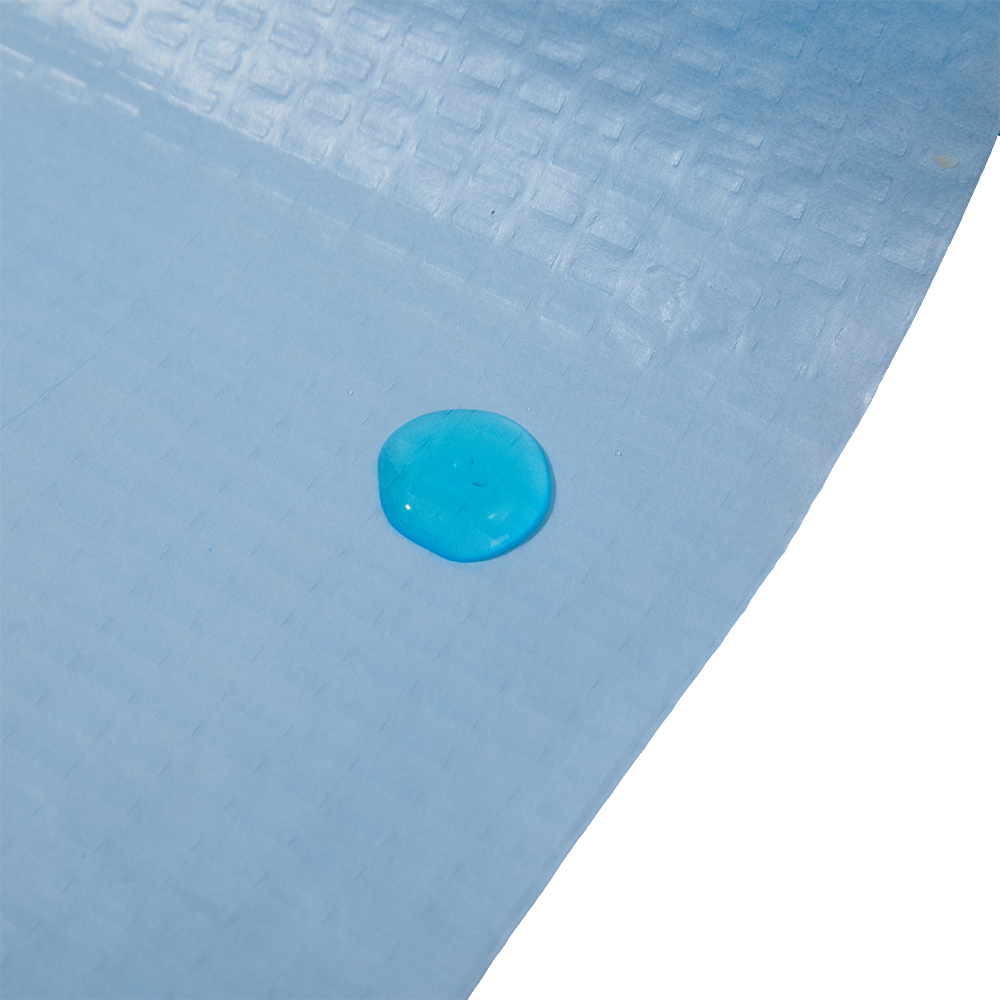
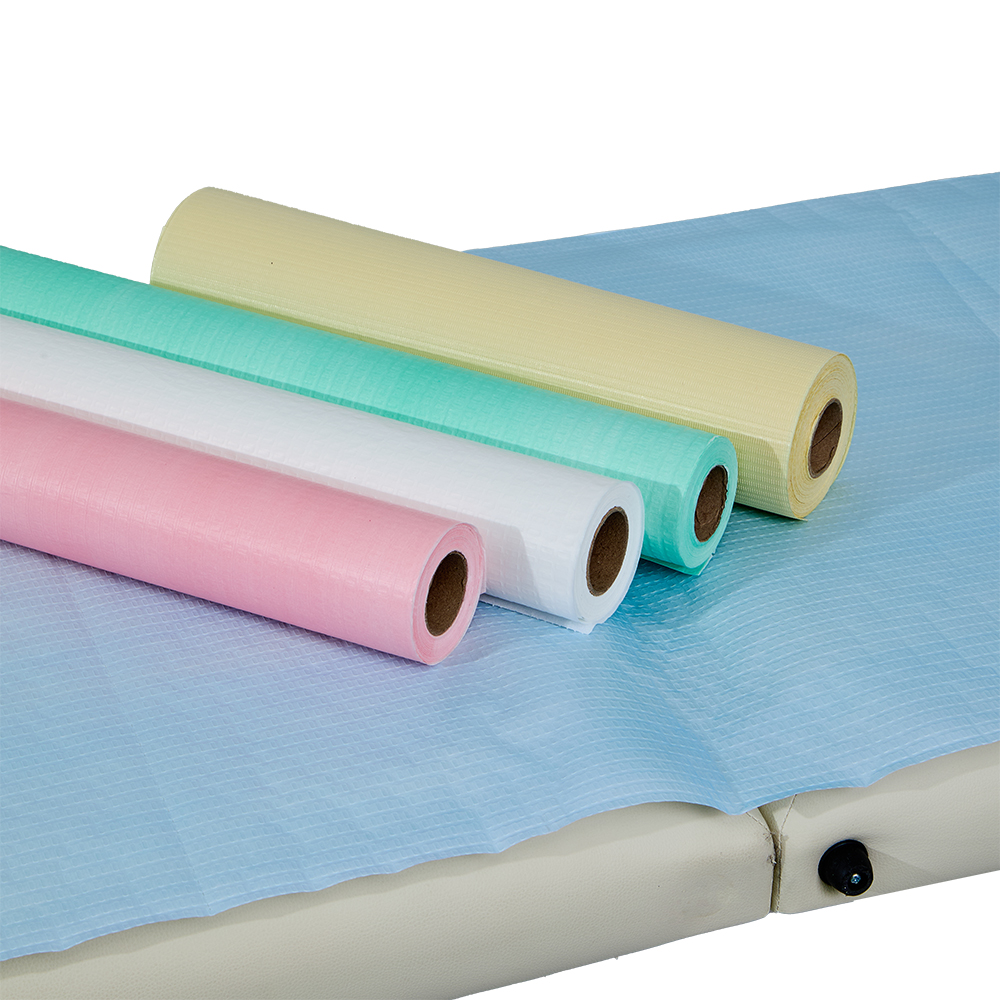
    在本次展会上,泰利杰重点展示了其适用于各种应用场景的可水洗纸,同时还展出了床单卷、围兜、各类无纺布产品以及定制解决方案,充分展现了公司在卫生材料领域深厚的技术积累和持续创新能力。展会期间,泰利杰团队通过样品演示、技术讲解和一对一洽谈等方式,与众多客户进行了精准沟通。基于技术创新和服务升级,泰利杰为客户提供了更具针对性的产品匹配方案和优质的售前售后服务。


    每一届SINCE都是行业关注和思想交流的重要平台;泰利杰已连续多年参加该展会,不仅展示了公司在卫浴材料领域的强大积累,而且通过与新老客户、供应商和行业专家的真诚交流,把握了行业最新趋势和合作机遇,促进了技术合作和业务拓展。


    通过此次展会,泰利杰进一步巩固了国内外合作基础,并通过与行业伙伴的深入交流,更好地把握了国际市场的新趋势。未来,公司将继续加大研发投入,推进绿色生产和可持续材料应用,推动产品向高端化、差异化、多元化方向发展;同时,我们将强化数字化生产和服务能力,优化全球供应链和客户支持体系,以领先的技术和高端产品服务全球客户,不断提升品牌在全球卫浴材料市场的影响力和市场份额,为行业的健康可持续发展做出贡献。

  • How can imaging technology be used to avoid scars and find available veins?

    1-Near-Infrared Vein Finders


    This is the most intuitive tool for dealing with superficial veins (within 10mm subcutaneous), such as Vein Finder

    Working principle: Hemoglobin in the blood absorbs near-infrared light, while the surrounding tissues (including subcutaneous fat and scar tissue) reflect the light. After the instrument captures this information, it will project the shape of the veins back to the skin surface in real time with dark lines or bright colors.


    How to avoid scars: Scar tissue itself lacks normal capillaries and venous networks, so under an imager, the scar area usually appears as a “blank” or blocked zone.

    The operator can hold the imaging instrument to scan around the scar and observe the course of the veins (vascular tree).

    Search for available veins: Follow the dark vascular lines displayed by the imaging instrument and trace upstream (proximal end) or downstream (distal end) to find a section of vein that avoids the scar edge, has a clear and straight line, and serves as the puncture point.


    2-Ultrasonic guidance technology

    When the scar area is large or the superficial veins have been exhausted and it is necessary to find deeper veins, ultrasound is the “gold standard”.

    Working principle: Utilize high-frequency sound waves to penetrate tissues. Liquids (such as blood in veins) appear black (anechoic) under ultrasound, while dense tissues (such as scars and muscle fascia) appear bright white (hyperechoic).


    How to avoid scars

    Scar tissue is composed of dense fibrous connective tissue. On an ultrasound screen, it appears as a particularly bright area. Due to its high density, it may produce acoustic shadows at the bottom of the image, blocking the view.

    The operator places the ultrasound probe (usually a high-frequency linear array probe) on the normal skin around the scar for cross-sectional scanning.

    Search for available veins: Look for black, circular lumens on the ultrasound screen. To confirm that it is a healthy vein rather than an artery or a dead lumen compressed by a scar, the operator will conduct a compression test (gently press down with a probe; a healthy vein is easily flattened and closed, and returns to its original round shape when released). Once the vein is confirmed to be unobstructed, a needle can be inserted through healthy skin without scars under the real-time dynamic guidance of ultrasound.


    Key advice: Absolutely avoid inserting or penetrating the needle directly into or through the scar tissue. The pain nerve endings in the scar area may be abnormally sensitive, and due to the lack of normal tissue elasticity, leakage, catheter rupture or phlebitis is very likely to occur after puncture. The greatest value of imaging technology lies in providing you with a "subcutaneous map", allowing you to bypass obstacles and plan the optimal puncture path.


    Interested in becoming a distributor? Contact us for wholesale pricing.

    Also welcome to contact us, we are ZD Medical Inc.
    Tel : +86-187 9586 9515
    Email : sales@zd-med.com
    Whatsapp/Mobile : +86-187 9586 9515


  • How can portable venous imaging devices assist in door-to-door blood collection?

    1-Overcome the limitations of light and hardware in the home environment
    Uncontrollable lighting

    : Hospital blood collection rooms usually have bright, shadowless professional lighting, while the light in patients’ homes is often dim, warm-toned, and even small, making it difficult for nurses to clearly see the blood vessels with their naked eyes.


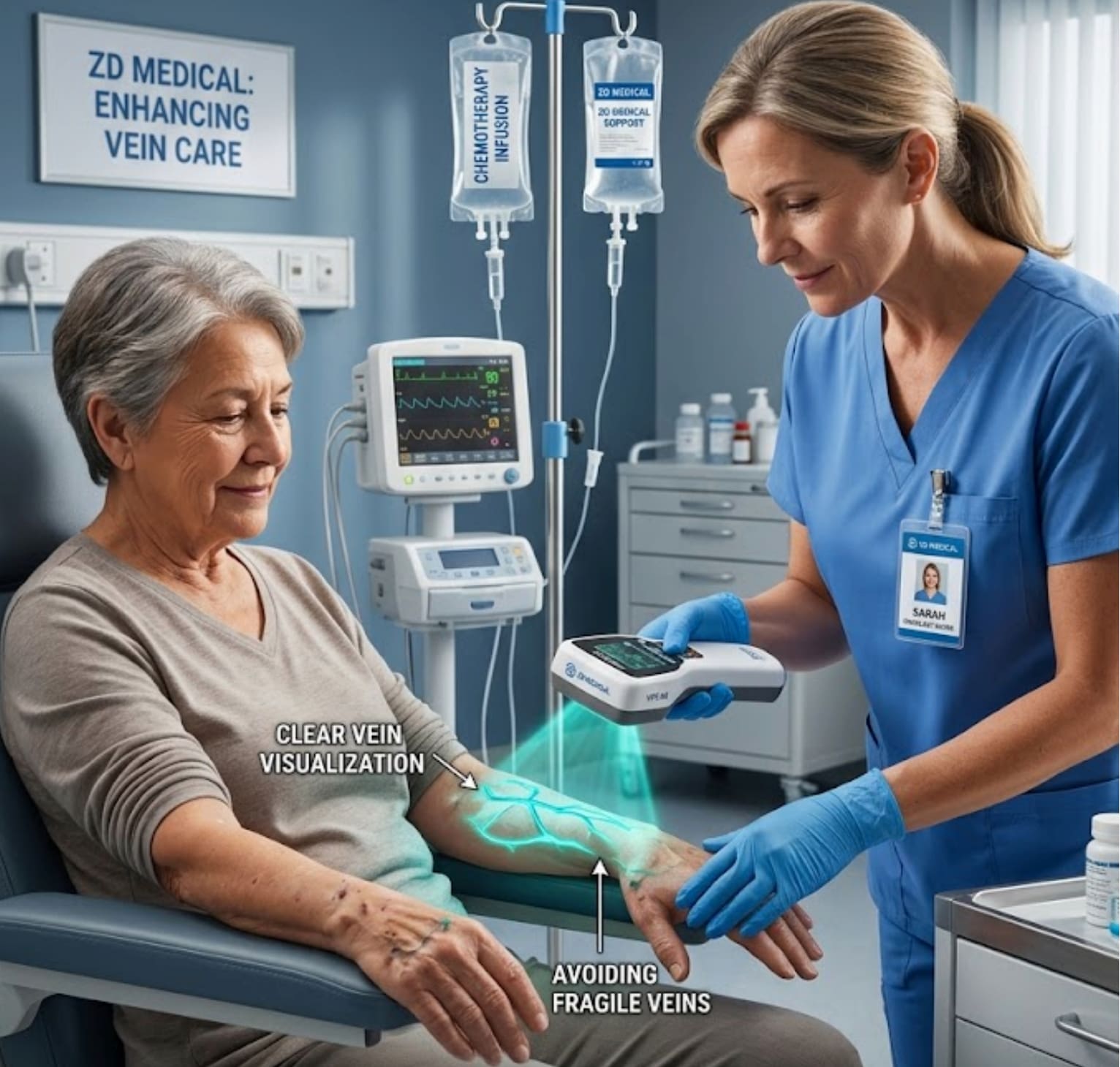
    The assistance of the imaging device: The portable venous imaging device comes with its own light source and can emit near-infrared light of a specific wavelength, completely unaffected by the ambient light in the home. It can provide nurses with a high-contrast “navigation map” of blood vessels in a dim bedroom or beside a bed.


    2.-Overcome the “difficult blood vessels” and increase the rate of incisive response

    Patients who need home blood collection are often vulnerable groups who have difficulty going to the hospital, and their vascular conditions are usually poor.

    Elderly patients: The blood vessel walls are fragile, have poor elasticity, and are prone to sliding or collapsing.

    Children/infants: They have small blood vessels, thick fat layers, and are prone to crying and being uncooperative.

    Patients with chronic diseases or severe conditions: such as those who have been bedridden for a long time, have edema, are obese, or frequently undergo chemotherapy (for arteriosclerosis).


    The assistance of imaging devices: Nurses no longer need to blindly “explore” or repeatedly touch based solely on experience. The imaging device can directly display the direction, thickness, branches and even the position of the valves of veins, helping nurses precisely select the straightest and healthiest blood vessels for puncture, significantly increasing the success rate of “puncturing with a single needle”.


    3-Alleviate the anxiety of patients and their families and build trust between doctors and patients

    Psychological stress: When invasive procedures are performed in a non-medical environment (at home), patients and their accompanying family members often become even more nervous. Once the first injection fails, the family members’ emotions can easily get agitated, leading to complaints.


    The assistance of imaging devices: When patients and their families witness high-tech equipment clearly projecting originally invisible blood vessels onto the skin, it will greatly enhance their trust in the professionalism of nurses. The "visualized" process makes family members feel at ease and effectively reduces the cost of doctor-patient communication and the potential risk of friction.


    Vein Finder supplier


    4-Enhance the confidence and efficiency of nurses working alone
    Isolated and helpless

    : When encountering puncture difficulties in the hospital, nurses can call for assistance from senior colleagues at any time. However, home blood collection is usually done by a single person, and the psychological pressure is huge when encountering difficult blood vessels.

    The assistance of the imaging instrument: The device is compact in size (usually about the size of a flashlight), can be handheld or used with a portable stand, which greatly enhances the operational confidence of the nurses on duty. Quickly locating blood vessels not only reduces the psychological burden on nurses but also shortens the service time for a single blood collection, thereby enhancing the overall outpatient efficiency of nurses within a day.


    Interested in becoming a distributor? Contact us for wholesale pricing.

    Also welcome to contact us, we are ZD Medical Inc.
    Tel : +86-187 9586 9515
    Email : sales@zd-med.com
    Whatsapp/Mobile : +86-187 9586 9515


  • Opportunities in Emerging Markets What are the application potentials of vein finder in primary healthcare in developing countries?

    1. Bridging the "technical gap" of grassroots nurses

    In remote areas of developing countries, there is often a severe shortage of experienced intravenous therapy nurses, and the turnover rate of primary medical staff is high. Many newly graduated or insufficiently trained novices have an extremely high failure rate in puncture when dealing with difficult blood vessels. The imaging device can directly "draw" the vascular routes on the skin, which is a typical "foolproof auxiliary tool", greatly lowering the technical threshold of puncture. This is an excellent selling point that can directly reduce medical disputes for local private clinic owners or distributors in lower-tier markets.


    2. Addressing the challenges of tropical diseases and deep skin tone

    Dark skin puncture: In some parts of Africa or South Asia, dark skin can increase the difficulty of visually locating superficial veins. Near-infrared technology, based on the principle that blood absorbs light, has extremely low sensitivity to skin color and can clearly display the venous network of patients with dark skin tones.

    Emergency treatment for tropical infectious diseases: Dengue fever, cholera, malaria and other diseases frequently occur in these areas. Patients often suffer from severe dehydration, shock or fever, which can cause blood vessels to shrivel and collapse. The imaging device can help village doctors quickly locate venous channels for fluid replacement in such highly challenging emergency situations.


    Vein Finder


    3. Perfectly fit the "mobile medical tour" and power shortage environment

    Primary healthcare in emerging markets relies heavily on mobile medical vehicles, rural medical teams or temporary medical camps set up by international non-governmental organizations . The portable venous imaging device is compact and comes with a large-capacity rechargeable battery, completely independent of a stable power grid. In remote villages with unstable power supply, this ready-to-use device can be regarded as a practical wonder.


    4. Reduce the waste of consumables and the risk of needle prick infection

    The budgets of primary clinics in developing countries are usually very tight. Repeated blind punctures not only waste precious consumables such as indwelling needles and blood collection needles, but more fatal is that in areas with a high incidence of blood-borne infectious diseases such as AIDS and hepatitis B, blind punctures greatly increase the probability of medical staff suffering from needle-puncture injuries. Improving the rate of "hitting the nail on the head" is directly helping local hospitals save money and lives.


    Interested in becoming a distributor? Contact us for wholesale pricing.

    Also welcome to contact us, we are ZD Medical Inc.
    Tel : +86-187 9586 9515
    Email : sales@zd-med.com
    Whatsapp/Mobile : +86-187 9586 9515

  • Integrating Poclight Bench-top CLIA into Decentralized Women’s Endocrine Care Settings


     Sex hormone testing is often pigeonholed into fertility, but its impact spans a woman’s entire life.


    This International Women’s Day, Poclight celebrates the resilience and intricate biology of women worldwide. We believe that the highest form of care is Precision. We empower every woman with the data she needs to understand her body at every milestone. Our mission is to transform complex clinical questions into clear and immediate answers.


    International Women's Day


    I.  Identifying Unmet Needs in Endocrine Care


    Hormonal imbalances are often underdiagnosed, leading to long-term health risks that extend far beyond reproductive concerns. Addressing these gaps is the first step toward integrated women's wellness.

    ● A Case for Early Detection: Polycystic Ovary Syndrome (PCOS) affects up to 13% of women of reproductive age. According to the World Health Organization (WHO), up to 70% of these cases remain undiagnosed globally, often leading to unmanaged metabolic risks.

    ● The Transition: By 2030, an estimated 1.2 billion women will be navigating the menopausal transition (Source: North American Menopause Society). Without precise monitoring of estrogen decline, risks such as Osteoporosis (which affects 1 in 3 women over the age of 50 according to the International Osteoporosis Foundation) often remain undetected until a fracture occurs.


    II.  The Clinical Roadmap: When to Test


    Regular hormonal profiling is not merely a tool for fertility but a diagnostic necessity to mitigate the long-term risks of metabolic dysfunction, premature aging, and bone density loss.


    By identifying physiological shifts early, healthcare providers can implement evidence-based interventions that safeguard a woman’s health long before symptoms become severe.


    Clinical Monitoring & Risk Mitigation


    Life Stage / Clinical Focus

    Recommended Test Frequency

    Key Biomarkers

    Clinical Objective (Risk Mitigation)

    Adolescence (Pubertal Development)

    Baseline Screening (Annual follow-up)

    FSH, LH, Estradiol (E2)

    To monitor pubertal progression and detect early signs of Precocious Puberty or endocrine metabolic shifts.

    Preventive Wellness (Ages 18–35)

    Every 1 to 2 Years

    AMH, Testosterone, Prolactin (PRL)

    To screen for asymptomatic Polycystic Ovary Syndrome (PCOS) and mitigate risks of long-term metabolic dysfunction.

    Fertility & Family Planning

    Cycle-Specific Tracking

    AMH, Progesterone, LH

    To assess ovarian reserve and confirm ovulation quality, reducing the risk of undiagnosed Infertility.

    Perimenopause (Ages 35–50)

    Every 6 to 12 Months

    FSH, Estradiol (E2), AMH

    To identify Premature Ovarian Insufficiency (POI) and manage the transition to prevent sudden hormonal drops.

    Post-Menopause (Age 50+)

    Annually (Part of geriatric screening)

    FSH, Estradiol (E2)

    To monitor Estrogen deficiency and mitigate the risk of Osteoporosis and cardiovascular complications.


    female health


    III. Our Solution: The Poclight C5000 Micro CLIA System


    To address these clinical needs at the point of care, the Poclight C5000 Micro CLIA (Chemiluminescence Immunoassay) system provides laboratory-grade precision in a compact format.


    Available hormone fertility markers at a glance:


    Poclight sex hormones


    Discover more about our solutions:


    Anti-Müllerian Hormone (AMH) Test Kit

    Estradiol (E2) Test Kit


    Our standout features:


    1.  Small Sample Volume & Rapid Results

    Only 50 μL of serum or plasma needed, with 5-minute turnaround, ideal for fast clinical decisions.

    2.  Freeze-dried reagents: no cold chain, 18 months shelf life, simplifying storage and transport.

    3.  High accuracy and excellent precision (CV < 5%)

    4.  Applicable with the C5000 POC CLIA Analyzer: 3-Step Operation, Maintenance-Free


    C5000


    Become a Partner / Request a Quote

    Are you ready to lead the revolution in decentralized immunology? We invite distributors and healthcare professionals to explore our comprehensive diagnostic panels.


  • How deep can a medical vein finder see?

    1. Main detection depth


    General depth: Most devices can detect veins 0.2 to 1.0cm beneath the skin, but the actual effective imaging range is usually concentrated on the shallower veins under the skin (0.2 to 1.0 cm).

    Best effect: For clearly visible superficial veins (such as the back of the hand and forearm), the imaging effect is the best.


    2. Key influencing factors

    Skin condition

    Skin color, fat thickness, edema or scar tissue can reduce penetration.

    Patients with obesity or edema may have limited depth.

    Equipment performance

    The wavelength of the light source (usually near-infrared, approximately 750 to 980 nm) affects the tissue penetration.

    The imaging algorithm and sensor sensitivity determine the ability to restore details.

    Venous characteristics:

    There are significant differences in vein diameter, blood filling degree and depth.

    Deep veins (such as the femoral vein in obese patients) may not be clearly displayed.


    3. Technical limitations

    Non-penetrating deep blood vessels: Unable to detect arteries or visceral blood vessels, mainly used for superficial vein finder localization (such as infusion and blood drawing).

    Auxiliary rather than substitute: It cannot completely replace deep imaging technologies such as ultrasound.


    4. Common application scenarios

    Patients with difficulty in venipuncture (children, the elderly, obese individuals).

    Patients with arteriosclerosis or hidden veins caused by long-term intravenous infusion or chemotherapy.

    Assist nurses or doctors in increasing the success rate of puncture.


    Interested in becoming a distributor? Contact us for wholesale pricing.

    Also welcome to contact us, we are ZD Medical Inc.
    Tel : +86-187 9586 9515
    Email : sales@zd-med.com
    Whatsapp/Mobile : +86-187 9586 9515

  • What are the differences among some different vein finder?

    The following differences also need to be considered when making a choice:
    1. Display mode


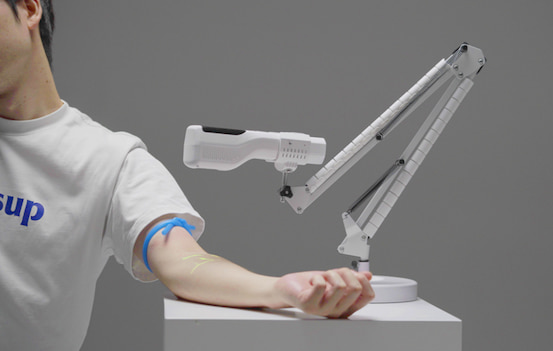
    Direct vision/projection: Project the vascular image directly onto the patient’s skin. The advantage is that the operator does not need to shift their gaze and their hands and eyes are in perfect coordination. The drawback is that the projection may deform due to the curved surface of the skin.

    Screen display type: View vascular images on an independent display screen. The advantage is that the image is clear and stable, and can be viewed by multiple people. The drawback is that the operator needs to switch the line of sight between the patient’s skin and the screen.


    2. Portability and form

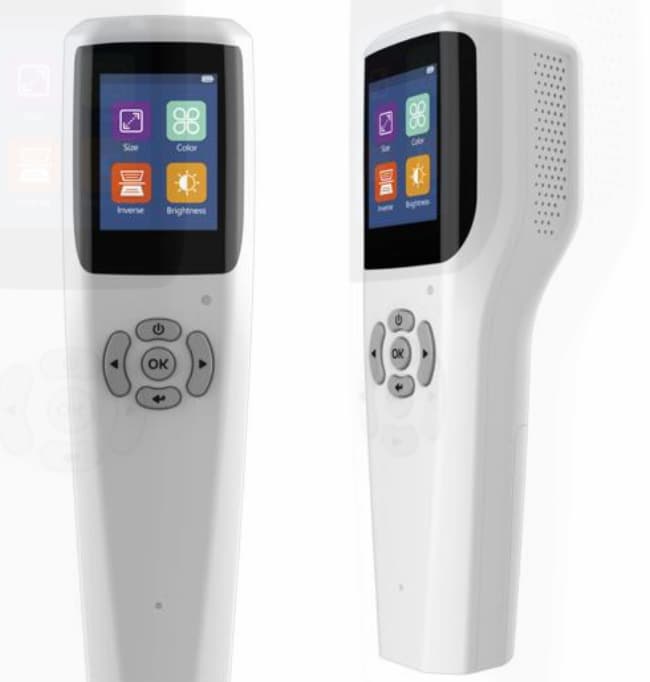
    Handheld portable: The most common, it looks like a large flashlight or probe, is flexible and convenient, and can be used beside the bed.

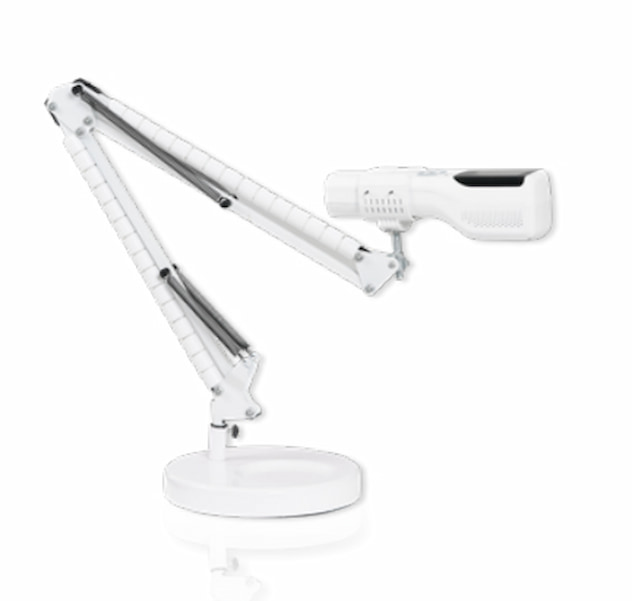
    Desktop/floor-standing: Usually more powerful in function, not easy to move, and often used in fixed departments.

    Head-mounted/wearable: Free up hands, but still in the development stage and not widely used.


    3. Functional differences

    Simple positioning vs. navigation guidance

    Positioning type: Only displays the location and direction of blood vessels. Most infrared devices fall into this category.

    Navigation-guided type: It can not only display blood vessels but also provide real-time guidance on the insertion path and depth of the puncture needle through technologies such as laser indication and puncture needle tracking. Most high-end ultrasonic devices are equipped with this function.

    Vascular recognition algorithm: Smart devices can automatically identify and outline the center line of blood vessels through algorithms, and even assess the suitability of blood vessels, rather than merely displaying an image.


    4. Cost and Maintenance

    Near-infrared equipment: The purchase cost is relatively low, almost no consumables are required, and maintenance is simple.

    Ultrasonic equipment: The purchase cost is high, it requires consumables such as coupling agents, and the maintenance and professional training costs are also high.


    How to choose?

    For routine clinical needs (such as outpatient infusion rooms) : High-quality near-infrared light vein finder are the most cost-effective choice and can solve the puncture problems of most patients.


    For patients with difficult puncture (such as ICU patients, the elderly, those undergoing chemotherapy for tumors, and obese patients) : Portable ultrasound vein finder are more effective tools because they can “see” deep blood vessels and have a higher success rate.


    For the establishment of medium to long-term vascular access: Ultrasound equipment is the gold standard, and even an essential tool, as it can assess vascular conditions, prevent accidental arterial puncture, and guide catheter placement in real time.


    For institutions with limited budgets but still hoping to enhance the efficiency of punctures: They can start with mid-to-high-end near-infrared projection equipment, which can intuitively help nurses quickly locate.


    Interested in becoming a distributor? Contact us for wholesale pricing.

    Also welcome to contact us, we are ZD Medical Inc.
    Tel : +86-187 9586 9515
    Email : sales@zd-med.com
    Whatsapp/Mobile : +86-187 9586 9515

  • Alleviating Needle Phobia How does Vein Finder Technology Help Anxious Patients

    This is where Vein Visualization Technology (Vein Finders) is changing the game. Beyond just locating veins, these devices are becoming essential tools for psychological comfort and patient retention.


    1️⃣ The Science of Fear: Why “First-Stick Success” Matters

    Anxiety often stems from the fear of pain and the “unknown.” Patients are terrified of the nurse “fishing” for a vein.

    The Stat: Studies show that multiple insertion attempts significantly increase patient distress.

    The Solution: Vein finders utilize Near-Infrared (NIR) technology to project a real-time map of the vasculature on the skin. This dramatically increases the First-Stick Success Rate, assuring the patient that the procedure will be quick and accurate.


    2️⃣Visual Reassurance: Seeing is Believing
    One of the most overlooked benefits of vein finders is Visual Reassurance.
    For the Nurse: It confirms the best insertion site before the needle touches the skin.
    For the Patient: When a patient sees the glowing map of their own veins, they often feel a sense of relief. They can see that their veins are visible and accessible. This transparency builds immediate trust in the clinician’s ability.
    Pro Tip: Many pediatric nurses use the "cool green light" of the device to distract children, turning a scary procedure into an interesting visual experience.


    3️⃣ Reducing Procedure Time
    Anxious patients often require more time to calm down, disrupting the clinic's schedule. By using a vein detector:
    Vein assessment time is reduced.
    The likelihood of calling a second nurse for help is minimized.
    The overall procedure time is shortened, meaning the patient spends less time in a state of high anxiety.


    Interested in becoming a distributor? Contact us for wholesale pricing.

    Also welcome to contact us, we are ZD Medical Inc.
    Tel : +86-187 9586 9515
    Email : sales@zd-med.com
    Whatsapp/Mobile : +86-187 9586 9515