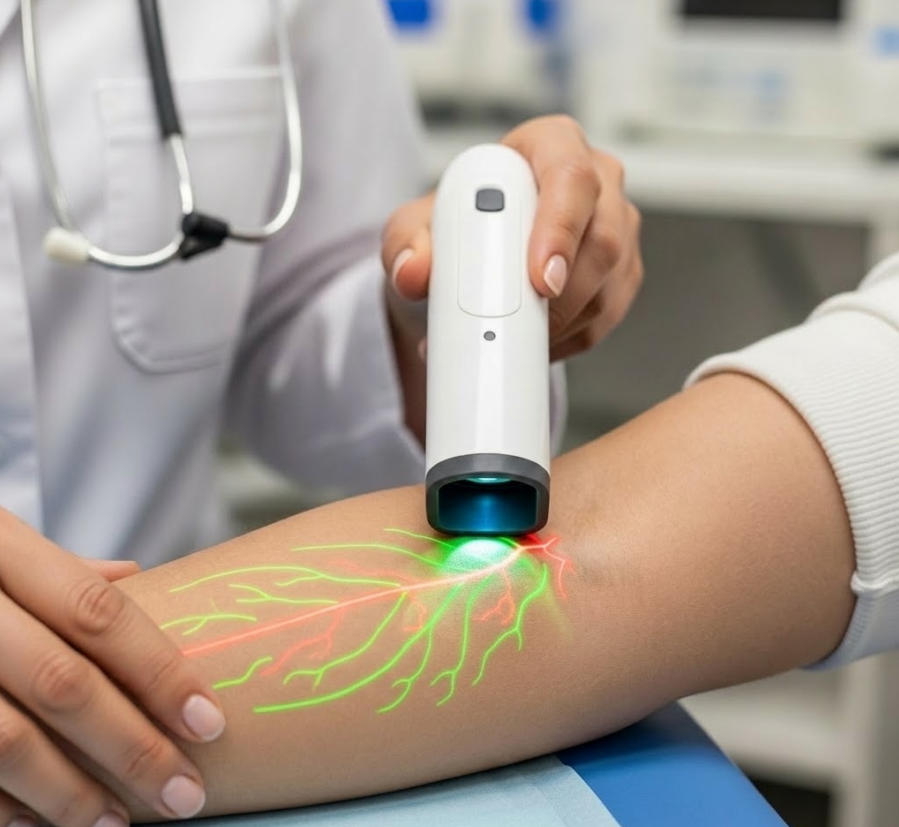
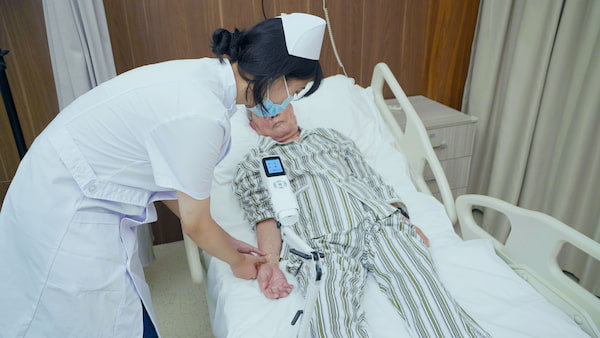
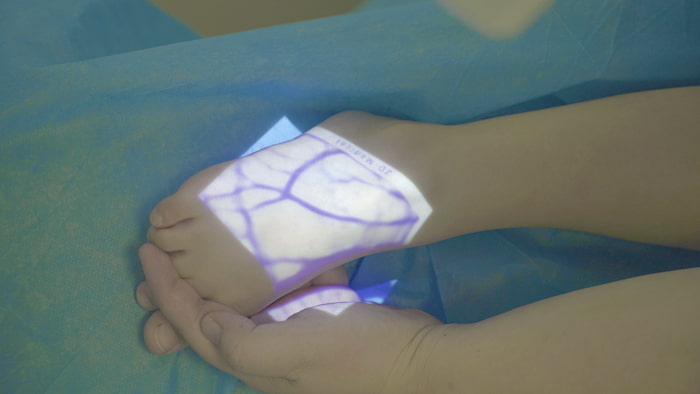
{ ZD Medical Vein Finder }

  • Inside the ZD Medical R&D Lab How We Ensure the Quality of Every Vein Finder

    For medical device distributors and hospital procurement teams, reliability isn't just a buzzword—it's the baseline. When a nurse reaches for a vein finder in a high-pressure emergency room, it has to work flawlessly. A single failure not only delays patient care but also damages the reputation of the distributor who supplied it.

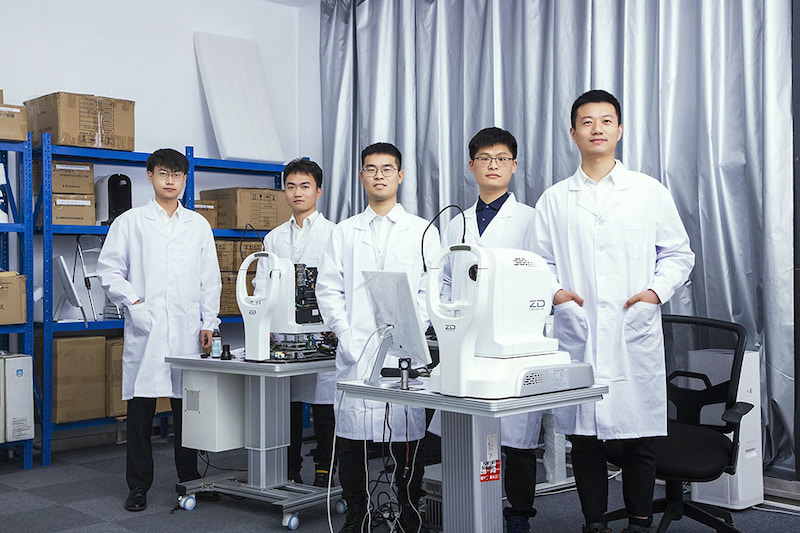
    At ZD Medical, we understand that manufacturing a clinical-grade Vein Finder requires more than just assembling parts; it requires rigorous optical engineering and uncompromising quality control. Today, we are opening the doors to our R&D and QA labs to show you exactly how we build and test every vein finder before it reaches your warehouse.

    1. Optical Precision Calibration: Zero-Margin for Error

    The core function of a vein finder is to capture near-infrared (NIR) data and project it back onto the skin in real-time. Even a 1-millimeter misalignment between the camera and the projector can lead to a failed venipuncture.

    The Test: In our optical darkrooms, every ZD Medical Vein Finder undergoes strict calibration using specialized grid targets. We ensure that the projected vein image aligns 100% perfectly with the actual subcutaneous veins.-The Result: "What you see is exactly what you get"—zero lag, zero displacement.

    Vein Finder Manufacturer

    2. The "All-Skin-Tone" Algorithm Simulation

    One of the biggest technical hurdles in NIR technology is melanin interference. Basic vein finders often fail on patients with dark skin tones or excessive body hair.

    The Test: Our software engineering team continuously tests and refines our image-processing algorithms using comprehensive tissue-mimicking phantoms that replicate various skin tones (from Fitzpatrick Type I to VI), tissue depths, and pediatric vessel sizes.

    The Result: Whether using our standard mode or the Inverse Display Mode, the ZD Medical Vein Finder guarantees sharp contrast and high visibility across all patient demographics.

    3. Brutal Durability & Environmental Stress Testing

    Hospitals are tough environments. Equipment gets bumped, dropped, and constantly wiped down with harsh chemicals.

    Drop Testing: Devices are subjected to multi-angle drop tests from standard hospital bed heights (approx. 1 meter) onto hard surfaces to verify the structural integrity of the casing and internal lenses.

    Thermal & Aging Tests: Before packaging, 100% of our devices go through an intensive "Burn-in" aging process in a temperature-controlled chamber. We run them continuously at maximum brightness to test heat dissipation and battery stability.

    Chemical Resistance: We test our casings against common medical-grade disinfectants to ensure the screen and housing won't crack or corrode over time.

    4. ISO 13485 Compliant Assembly

    Great R&D means nothing without standardized manufacturing. As an experienced OEM/ODM manufacturer, ZD Medical's production lines operate strictly under the ISO 13485 Quality Management System for medical devices. From incoming material inspection (IQC) of the NIR LEDs to the final outbound quality control (OQC) checklist, every device is tracked with a unique serial number, ensuring full traceability.


    Interested in becoming a distributor? Contact us for wholesale pricing.

    Also welcome to contact us, we are ZD Medical Inc.
    Tel : +86-187 9586 9515
    Email : sales@zd-med.com
    Whatsapp/Mobile : +86-187 9586 9515
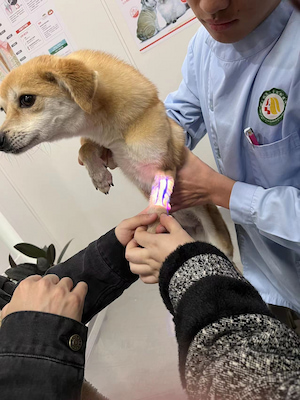

  • It Literally Lets You See the Veins! — How ZD Medical Vein Finders Redefine IV Access

    Venipuncture is the most common invasive medical procedure worldwide. Yet, for millions of patients and nurses, it remains a source of anxiety. Whether dealing with pediatric patients, the elderly, individuals with darker skin tones, or those undergoing chemotherapy, finding a viable vein often turns into a stressful guessing game.

    But what if you could take the guesswork out of the equation? What if you could simply see the veins before you even pick up a needle?

    That is exactly what the ZD Medical Vein Finder System delivers. It literally lets you see the veins.


    The End of "Blind Sticks"

    For decades, healthcare professionals have relied on palpation (feeling for the vein) and anatomical knowledge. However, studies show that up to 30% of first-attempt IV insertions fail in adults, and the failure rate is even higher in pediatric and oncology wards. Each failed attempt—or "blind stick"—causes patient pain, increases the risk of infection, and wastes valuable medical supplies and nursing time.

    The ZD Medical Vein Finder eliminates this uncertainty. By projecting a vivid, real-time vein map directly onto the surface of the patient’s skin, it transforms a blind procedure into a visually guided, precise action.


    How Does It Let You See the Veins?
    The magic behind this clear visualization is advanced Near-Infrared (NIR) technology. Here is how the ZD Medical system works:

    Light Absorption: Hemoglobin in the blood absorbs near-infrared light differently than the surrounding tissue.

    Digital Processing: The device captures this difference using high-precision optical sensors and instantly processes the data.

    Real-Time Projection: A highly accurate, HD digital image of the vascular network is projected back onto the skin in real-time, perfectly aligned with the patient's actual veins.

    There is no radiation, no contact, and no pain. Just a clear roadmap for your needle.


    Beyond Visualization: The Clinical & Commercial Value
    For clinics, hospitals, and medical distributors, "seeing the veins" translates into measurable benefits:

    Boost First-Stick Success Rates: Visual guidance significantly improves the chances of successful IV access on the first try, particularly for patients with Difficult Venous Access (DVA).

    Enhance Patient Experience & Satisfaction: Less poking means less pain, less bruising, and significantly lower patient anxiety. A happy patient is more likely to trust your clinic.

    Save Time and Resources: When nurses can see the vein instantly, procedures are completed faster, improving ward efficiency and reducing the waste of IV catheters.

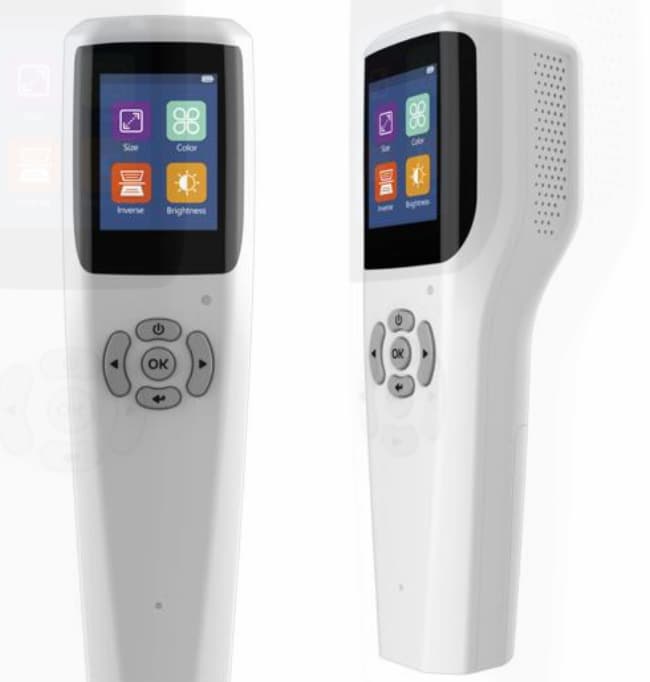
    Versatile for All Patient Demographics: The ZD Medical VFS series features multiple color modes and brightness adjustments, ensuring clear visualization regardless of the patient's skin color, age, or body type.

    Upgrade Your Clinic with ZD Medical
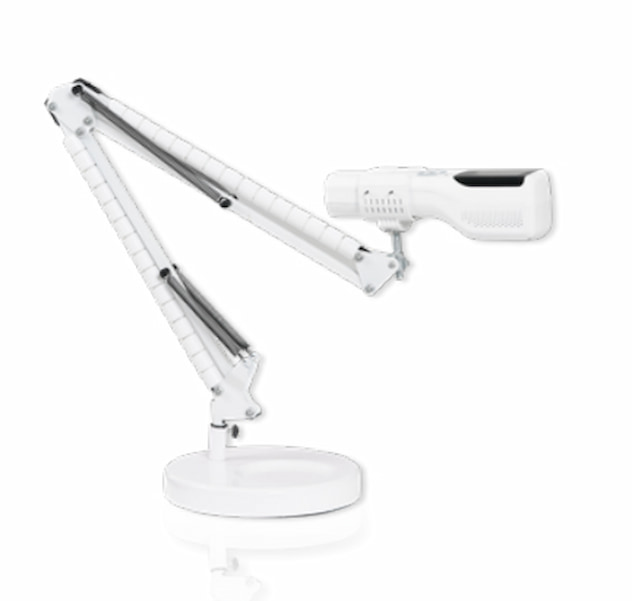
    Stop relying on touch alone when you can have clear vision. Whether you are outfitting a busy emergency room, a specialized oncology center, or an IV hydration spa, the ZD Medical Vein Finder comes with flexible mounting options (mobile trolley stands, desk stands, or handheld) to fit your workflow perfectly.


    Interested in becoming a distributor? Contact us for wholesale pricing.

    Also welcome to contact us, we are ZD Medical Inc.
    Tel : +86-187 9586 9515
    Email : sales@zd-med.com
    Whatsapp/Mobile : +86-187 9586 9515
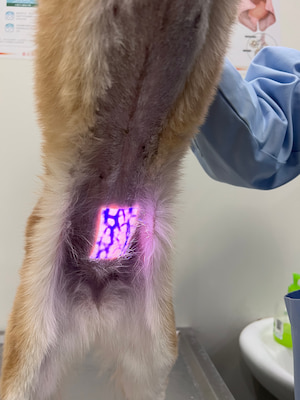

  • Overcoming Venipuncture Challenges Choosing the Right Vein Finder for Dark Skin Tones

    Venipuncture is one of the most common invasive medical procedures, yet it remains a significant challenge when dealing with specific patient demographics. For patients with dark skin tones, locating a suitable vein using traditional visual and tactile methods can be particularly difficult. This often leads to multiple needle sticks, increased patient discomfort, and delayed treatments.

    To bridge this gap, modern vein finders have become an indispensable tool in hospitals and clinics worldwide. But not all vein locators are created equal. Here is a comprehensive guide on how to choose the right vein finder for dark skin tones and how ZD Medical is pioneering solutions for inclusive patient care.

    Why is Venipuncture Harder on Dark Skin?
    The challenge fundamentally comes down to human biology and light absorption. Melanin, the pigment responsible for skin color, absorbs visible light. In patients with higher melanin levels (darker skin tones), the contrast between the vein and the surrounding tissue is significantly reduced when viewed under normal lighting conditions.

    If a vein finder relies on inferior lighting technology or cannot penetrate deep enough into the subcutaneous tissue, the projected image will appear blurry, washed out, or completely invisible on dark skin.

    Key Features to Look for in a Vein Finder for Dark Skin
    When sourcing medical imaging equipment for diverse patient populations, healthcare facilities must evaluate the following technical specifications:

    1. Advanced Near-Infrared (NIR) Technology
    Visible light is easily absorbed by melanin, but Near-Infrared (NIR) light can safely penetrate the skin deeper. Hemoglobin in the blood absorbs NIR light differently than the surrounding tissue. A high-quality vein finder uses this principle to capture the vein network and project it back onto the skin. The more advanced the NIR sensor, the better it can bypass melanin interference.

    2. Adjustable Color Palettes & Contrast Modes
    A one-color-fits-all approach does not work in clinical settings. The best vein finders offer multiple projection colors (such as green, blue, or red) and an Inverse Mode (reversing the colors of the vein and the background). Green or blue light often provides the sharpest contrast against dark skin, making the vascular network pop out clearly.

    3. High Projection Accuracy
    For a successful first stick, the projected image must align exactly with the physical vein. Any offset error can lead to a missed stick. High-performance optical systems are required to ensure the projection is 100% accurate, regardless of the skin's surface or color.

    4. Brightness Optimization
    Depending on the clinical environment (a brightly lit operating room vs. a dim ward), the intensity of the projection must be adjustable. High brightness settings are crucial for ensuring the vein map remains visible on melanin-rich skin.

    The ZD Medical Solution: Engineered for All Patients
    At ZD Medical, we understand that inclusive healthcare relies on reliable technology. Our advanced Vein Finder series is meticulously engineered to address the specific challenges of finding veins in patients with dark skin tones, as well as infants, the elderly, and obese patients.


    Why choose ZD Medical for your facility?


    Industry-Leading NIR Imaging: ZD Medical utilizes cutting-edge Near-Infrared technology that penetrates tissue effectively, ensuring a clear vascular map regardless of the patient's melanin levels.

    Customizable Display Options: Our devices feature multiple color modes, adjustable brightness levels, and a specialized Inverse Mode. This empowers clinicians to select the exact visual setting that offers the highest contrast for each individual patient's skin tone.

    Precision and Safety: With an optimized optical design, ZD Medical vein finders guarantee accurate, real-time projection with virtually zero offset error, significantly boosting the first-stick success rate.

    Ergonomic & Clinic-Ready: Designed for fast-paced medical environments, our devices support hands-free operation with dedicated stands, long-lasting battery life, and intuitive interfaces.

    Conclusion
    Investing in the right vein finder is not just about upgrading hospital equipment; it’s about elevating the standard of care for every patient. By choosing a device with advanced NIR technology, multiple contrast modes, and proven accuracy, healthcare providers can eliminate the guesswork from venipuncture.

    ZD Medical is committed to delivering high-quality, reliable medical imaging solutions that empower medical professionals globally.


    Interested in becoming a distributor? Contact us for wholesale pricing.

    Also welcome to contact us, we are ZD Medical Inc.
    Tel : +86-187 9586 9515
    Email : sales@zd-med.com
    Whatsapp/Mobile : +86-187 9586 9515
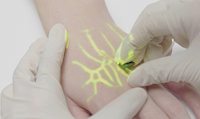


  • What are the advantages of the vascular imaging instrument of ZD Medical?

    Clinical and Technological Core Advantages (Hard Power)

    Vein Illumination System

    Near-infrared patented technology and high-definition in-situ projection: By leveraging the physical property that hemoglobin in the blood absorbs near-infrared light at a rate higher than that of surrounding tissues, the equipment can accurately capture vein images and project them in real time and at the original scale onto the patient's skin surface, achieving a true "what you see is what you get".


    Solving the "difficult vein" puncture problem: In the clinical setting, there are several situations that frustrate nurses the most - thin blood vessels, darker skin tones, thick subcutaneous fat (in obese patients), as well as patients with severe blood loss or dehydration. Simply relying on visual and tactile experience often proves insufficient for locating the veins. Imaging equipment can reveal the hidden superficial venous vascular network in full view.


    Improving the success rate of the first injection and enhancing the patient experience: It can significantly reduce the repeated "blind injections" and exploratory attempts caused by incorrect vessel identification. This not only alleviates the patient's pain and fear, but also effectively avoids complications such as subcutaneous hematoma, thereby reducing the risk of medical disputes and enhancing the service reputation of the medical institution.


    Varied in form, freeing hands: The product line design of ZD Medical is highly in line with the actual clinical workflow. Besides the portable handheld host, it is also equipped with a mobile trolley bracket. The trolley design can completely free the hands of medical staff, and is very suitable for single-person independent completion of venipuncture or blood drawing operations.


    Interested in becoming a distributor? Contact us for wholesale pricing.

    Also welcome to contact us, we are ZD Medical Inc.
    Tel : +86-187 9586 9515
    Email : sales@zd-med.com
    Whatsapp/Mobile : +86-187 9586 9515

  • Will the Vein Finder imaging be affected by ambient light?

    Yes, strong ambient light like surgical lights or bright sunlight can wash out the projection of basic vein finders. However, our device is designed for complex clinical environments. It features adjustable high-lumen projection and an Inverse Display Mode. This ensures that even in brightly lit ERs or operating rooms, the vein network remains sharply contrasted and clearly visible, preventing any delay in critical venipuncture.

    vein finders

    The vascular imager first emits near-infrared light to illuminate the skin. The hemoglobin in the veins absorbs this light, while the surrounding tissues reflect it. The camera inside the device captures these differences in brightness and converts them into images. Then, through the built-in visible light projector, the vascular distribution map is projected back onto the patient's skin in its original position.


    The influence of ambient light mainly manifests in the following two aspects:

    1.The projection contrast is "diluted": It's like watching a projector or watching a movie in a sunny living room during the day. If the lighting in the hospital ward is very bright, or if the operating room uses a bright light without shadow, these intense ambient visible lights will directly cover the skin, resulting in a significant drop in the contrast of the color vascular images projected by the imaging device, making them appear pale and blurry.

     
    2. Interference from infrared light: Sunlight or certain halogen lamps contain a significant amount of infrared components. If the infrared light in the ambient light is too strong, it may interfere with the infrared camera sensor of the device, increasing the "noise" in the image.
    Vein Finder Manufacturer

    Interested in becoming a distributor? Contact us for wholesale pricing.

    Also welcome to contact us, we are ZD Medical Inc.
    Tel : +86-187 9586 9515
    Email :sales@zd-med.com
    Whatsapp/Mobile : +86-187 9586 9515

  • How can portable venous imaging devices assist in door-to-door blood collection?

    1-Overcome the limitations of light and hardware in the home environment
    Uncontrollable lighting

    : Hospital blood collection rooms usually have bright, shadowless professional lighting, while the light in patients’ homes is often dim, warm-toned, and even small, making it difficult for nurses to clearly see the blood vessels with their naked eyes.


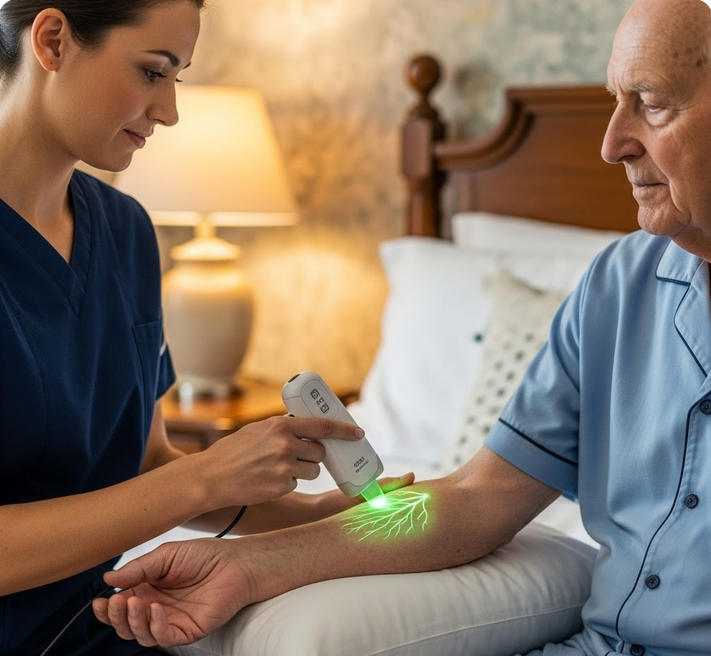
    The assistance of the imaging device: The portable venous imaging device comes with its own light source and can emit near-infrared light of a specific wavelength, completely unaffected by the ambient light in the home. It can provide nurses with a high-contrast “navigation map” of blood vessels in a dim bedroom or beside a bed.


    2.-Overcome the “difficult blood vessels” and increase the rate of incisive response

    Patients who need home blood collection are often vulnerable groups who have difficulty going to the hospital, and their vascular conditions are usually poor.

    Elderly patients: The blood vessel walls are fragile, have poor elasticity, and are prone to sliding or collapsing.

    Children/infants: They have small blood vessels, thick fat layers, and are prone to crying and being uncooperative.

    Patients with chronic diseases or severe conditions: such as those who have been bedridden for a long time, have edema, are obese, or frequently undergo chemotherapy (for arteriosclerosis).


    The assistance of imaging devices: Nurses no longer need to blindly “explore” or repeatedly touch based solely on experience. The imaging device can directly display the direction, thickness, branches and even the position of the valves of veins, helping nurses precisely select the straightest and healthiest blood vessels for puncture, significantly increasing the success rate of “puncturing with a single needle”.


    3-Alleviate the anxiety of patients and their families and build trust between doctors and patients

    Psychological stress: When invasive procedures are performed in a non-medical environment (at home), patients and their accompanying family members often become even more nervous. Once the first injection fails, the family members’ emotions can easily get agitated, leading to complaints.


    The assistance of imaging devices: When patients and their families witness high-tech equipment clearly projecting originally invisible blood vessels onto the skin, it will greatly enhance their trust in the professionalism of nurses. The "visualized" process makes family members feel at ease and effectively reduces the cost of doctor-patient communication and the potential risk of friction.


    Vein Finder supplier


    4-Enhance the confidence and efficiency of nurses working alone
    Isolated and helpless

    : When encountering puncture difficulties in the hospital, nurses can call for assistance from senior colleagues at any time. However, home blood collection is usually done by a single person, and the psychological pressure is huge when encountering difficult blood vessels.

    The assistance of the imaging instrument: The device is compact in size (usually about the size of a flashlight), can be handheld or used with a portable stand, which greatly enhances the operational confidence of the nurses on duty. Quickly locating blood vessels not only reduces the psychological burden on nurses but also shortens the service time for a single blood collection, thereby enhancing the overall outpatient efficiency of nurses within a day.


    Interested in becoming a distributor? Contact us for wholesale pricing.

    Also welcome to contact us, we are ZD Medical Inc.
    Tel : +86-187 9586 9515
    Email : sales@zd-med.com
    Whatsapp/Mobile : +86-187 9586 9515


  • Opportunities in Emerging Markets What are the application potentials of vein finder in primary healthcare in developing countries?

    1. Bridging the "technical gap" of grassroots nurses

    In remote areas of developing countries, there is often a severe shortage of experienced intravenous therapy nurses, and the turnover rate of primary medical staff is high. Many newly graduated or insufficiently trained novices have an extremely high failure rate in puncture when dealing with difficult blood vessels. The imaging device can directly "draw" the vascular routes on the skin, which is a typical "foolproof auxiliary tool", greatly lowering the technical threshold of puncture. This is an excellent selling point that can directly reduce medical disputes for local private clinic owners or distributors in lower-tier markets.


    2. Addressing the challenges of tropical diseases and deep skin tone

    Dark skin puncture: In some parts of Africa or South Asia, dark skin can increase the difficulty of visually locating superficial veins. Near-infrared technology, based on the principle that blood absorbs light, has extremely low sensitivity to skin color and can clearly display the venous network of patients with dark skin tones.

    Emergency treatment for tropical infectious diseases: Dengue fever, cholera, malaria and other diseases frequently occur in these areas. Patients often suffer from severe dehydration, shock or fever, which can cause blood vessels to shrivel and collapse. The imaging device can help village doctors quickly locate venous channels for fluid replacement in such highly challenging emergency situations.


    Vein Finder


    3. Perfectly fit the "mobile medical tour" and power shortage environment

    Primary healthcare in emerging markets relies heavily on mobile medical vehicles, rural medical teams or temporary medical camps set up by international non-governmental organizations . The portable venous imaging device is compact and comes with a large-capacity rechargeable battery, completely independent of a stable power grid. In remote villages with unstable power supply, this ready-to-use device can be regarded as a practical wonder.


    4. Reduce the waste of consumables and the risk of needle prick infection

    The budgets of primary clinics in developing countries are usually very tight. Repeated blind punctures not only waste precious consumables such as indwelling needles and blood collection needles, but more fatal is that in areas with a high incidence of blood-borne infectious diseases such as AIDS and hepatitis B, blind punctures greatly increase the probability of medical staff suffering from needle-puncture injuries. Improving the rate of "hitting the nail on the head" is directly helping local hospitals save money and lives.


    Interested in becoming a distributor? Contact us for wholesale pricing.

    Also welcome to contact us, we are ZD Medical Inc.
    Tel : +86-187 9586 9515
    Email : sales@zd-med.com
    Whatsapp/Mobile : +86-187 9586 9515

  • Alleviating Needle Phobia How does Vein Finder Technology Help Anxious Patients

    This is where Vein Visualization Technology (Vein Finders) is changing the game. Beyond just locating veins, these devices are becoming essential tools for psychological comfort and patient retention.


    1️⃣ The Science of Fear: Why “First-Stick Success” Matters

    Anxiety often stems from the fear of pain and the “unknown.” Patients are terrified of the nurse “fishing” for a vein.

    The Stat: Studies show that multiple insertion attempts significantly increase patient distress.

    The Solution: Vein finders utilize Near-Infrared (NIR) technology to project a real-time map of the vasculature on the skin. This dramatically increases the First-Stick Success Rate, assuring the patient that the procedure will be quick and accurate.


    2️⃣Visual Reassurance: Seeing is Believing
    One of the most overlooked benefits of vein finders is Visual Reassurance.
    For the Nurse: It confirms the best insertion site before the needle touches the skin.
    For the Patient: When a patient sees the glowing map of their own veins, they often feel a sense of relief. They can see that their veins are visible and accessible. This transparency builds immediate trust in the clinician’s ability.
    Pro Tip: Many pediatric nurses use the "cool green light" of the device to distract children, turning a scary procedure into an interesting visual experience.


    3️⃣ Reducing Procedure Time
    Anxious patients often require more time to calm down, disrupting the clinic's schedule. By using a vein detector:
    Vein assessment time is reduced.
    The likelihood of calling a second nurse for help is minimized.
    The overall procedure time is shortened, meaning the patient spends less time in a state of high anxiety.


    Interested in becoming a distributor? Contact us for wholesale pricing.

    Also welcome to contact us, we are ZD Medical Inc.
    Tel : +86-187 9586 9515
    Email : sales@zd-med.com
    Whatsapp/Mobile : +86-187 9586 9515

  • How can vein finder complement the workflow of ophthalmic medicine and imaging equipment?

    1) Core Value: Provide a unique “surface vascular map”


    Ophthalmic imaging equipment (such as OCT) focuses on the microscopic vascular structure of the fundus (retina, choroid), while venous detectors are adept at non-invasively visualizing the vascular network on the ocular surface and around the eye, especially:

    The blood vessels of the sclera and conjunctiva

    The blood vessels of the skin around the eyes and the eyelid margin

    This provides ophthalmologists with a brand-new dimension of observation.


    2) Integration and supplementation of specific work processes

    1. Diagnosis and Screening stage: Viewing “Systemic Diseases” from “Ocular Surface Blood Vessels”

    Many systemic diseases can affect both the fundus blood vessels and the ocular surface blood vessels simultaneously. Venous detection devices can serve as a rapid and non-invasive initial screening tool.

    Supplement the workflow of OCT

    Scene: A diabetic patient comes for an annual eye examination.

    The current process: The doctor uses OCT to examine the retinal microvessels, looking for signs of diabetic retinopathy such as microaneurysms and non-perfusion areas.

    Supplementary value: At the initial stage of the consultation, a venous detector is first used to observe the blood vessels of the patient’s bulbar conjunctiva. Research has found that systemic diseases such as diabetes can cause morphological changes such as distortion and dilation of conjunctival blood vessels. If any abnormalities are detected, it can provide stronger directivity for OCT examination and alert doctors that the patient may have uncontrolled systemic risks.

    Advantages: The examination process is faster and more comfortable, with high patient tolerance, and it is easy to conduct dynamic observation.


    2. Surgical planning and navigation: Enhance the precision and safety of the surgery

    This is one of the most promising application scenarios of venous detectors in ophthalmology.

    Supplement the workflow of cataract surgery

    For cataract patients with limbal stem cell insufficiency, thin sclera or those requiring complex incisions, it is crucial to understand the vascular distribution in the limbal area of the corneosclera and the surgical incision area before the operation. This can prevent intraoperative bleeding and affect the surgical field of view.

    Supplementary value: Before the operation, a venous detector is used to draw the vascular network of the corneoscleral margin, which helps doctors precisely plan the position of the surgical incision, avoid the main blood vessels, achieve “blood-free” surgery, and improve the efficiency and safety of the operation.

    Supplement the workflow of glaucoma surgery

    Question: When performing glaucoma drainage device implantation (such as Ah valve implantation), it is necessary to suture and fix it in the water tank area (usually located behind the equator of the eyeball). This area is rich in blood vessels, and intraoperative bleeding is a common complication.

    Supplementary value: Before the operation, a venous detector is used to precisely locate the surface blood vessels in the water tank area. With the assistance of the surgical navigation system, doctors can select areas with relatively sparse blood vessels for suturing, significantly reducing the risk of bleeding and postoperative complications.

    Supplement the workflow of eye plastic surgery/orbital surgery

    Blepharoplasty, orbital tumor resection, etc., require an accurate understanding of the vascular anatomy of the eyelid and orbit.

    Supplementary value: The venous detector can clearly outline the direction of the arteries and veins around the eyes, serving as a “real-time vascular map” for surgical navigation. It helps doctors perform precise operations, avoid damaging important blood vessels, and reduce intraoperative bleeding and postoperative hematoma.


    3. Treatment and efficacy evaluation stage: Achieve visual efficacy monitoring

    Supplement the dry eye treatment workflow

    Meibomian gland dysfunction is the main cause of dry eye. Intense pulsed light (IPL) is an effective treatment method, and one of its mechanisms of action is to close the abnormal blood vessels in the eyelid.

    Supplementary value

    Before treatment: Use a venous detector to assess the vascular density and morphology of the eyelid margin to provide baseline data for treatment.

    After treatment: Re-imaging is conducted to visually display the closure of abnormal blood vessels after IPL treatment, providing objective imaging evidence for efficacy evaluation. This is unique information that existing corneal topography or dry eye analyzers cannot provide.

    Supplement the treatment workflow for ocular surface inflammatory diseases:

    Allergic conjunctivitis, pterygium and other diseases are accompanied by obvious conjunctival vascular congestion.

    Supplementary value: Quantitative analysis of congested blood vessels (such as vessel diameter and density) using a venous detector can objectively evaluate the effects before and after anti-inflammatory drug treatment, providing data support for clinical research and personalized treatment.


    Also welcome to contact us, we are ZD Medical Inc.
    Tel : +86-187 9586 9515
    Email : sales@zd-med.com
    Whatsapp/Mobile : +86-187 9586 9515

  • The comfort and security of Vein Finder

    I. Patient Comfort Experience


    Comfort focuses on positive physical and psychological feelings, emphasizing “painless” and “relaxed”.

    1- Contactless and pressure-free scanning process:

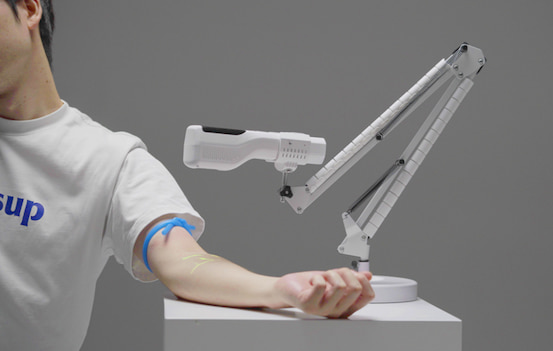
    Experience: The device scans just a few centimeters above the skin without touching the body at all. Compared with the tight feeling of traditional tourniquets and the pressure sensation when nurses touch and search for blood vessels, this is a zero-invasive and zero-discomfort experience.

    Value: Especially suitable for patients with sensitive skin, burns or trauma, it avoids the pain that may be caused by contact.

    2- Painless and non-invasive imaging technology:

    Experience: Vein Finder typically uses safe near-infrared light. The patient cannot see this kind of light and does not feel any stimulation at all, just like being illuminated by an ordinary flashlight. However, they can see the vascular images magically projected onto their skin.

    Value: It eliminates the fear of technologies such as “radiation” and “laser”, and the process is very gentle.

    3- Distract attention and relieve anxiety

    Experience: For children and patients who are afraid of needles, seeing a clear image of the blood vessels on their arm is like an interesting “magic trick” or video game, which can effectively divert their attention from the upcoming puncture.

    Value: Transforming a terrifying experience into a novel technological interaction significantly reduces psychological tension.

    4- Shortened the anxiety time in the preparation stage:

    Experience: Nurses no longer need to repeatedly touch and pat their arms for a long time to search for blood vessels. The “instant positioning” reduces the patient’s torment while waiting for puncture.

    Value: The process is smooth and rapid, avoiding the prolonged anxiety caused by uncertainty.


    Ii. Establishment of Patients’ sense of security

    Security stems from a sense of “controllability” and “trust” in the process, emphasizing “reliability” and “peace of mind”.

    1- The sense of control brought by visualization:

    Experience: Patients can see the distribution of their subcutaneous blood vessels with their own eyes and understand the reasons why nurses choose puncture points. This “information transparency” endows patients with an unprecedented sense of participation and control.

    Value: Transforming from a passive recipient to an active participant has greatly enhanced psychological security. “I can see it, so I’m relieved.” “

    2- Expectations for high success rates:

    Experience: The patient understands that the purpose of using high-tech equipment is to “hit the nail on the head”. This clear “expectation of success” directly offsets the fear of “repeated puncture failures”.

    Value: Establishing a powerful psychological suggestion that “this operation will go smoothly” is the cornerstone of a sense of security.

    3- Transfer of trust in the skills of medical staff:

    Experience: Vein Finder is regarded as an authoritative auxiliary tool. The patient would think: “The hospital has introduced such advanced equipment, which shows that they attach great importance to and are committed to reducing my pain.”

    Value: The equipment enhances patients’ trust in the professionalism of the entire medical team, and this sense of trust will translate into a sense of security.

    4- Deep Reassurance for Special Groups

    For parents of children: Seeing medical staff operate on their children in such a gentle and precise way brings great comfort.

    For long-term patients (such as those undergoing chemotherapy) : Their blood vessels are fragile and in need of protection. Vein Finder can help select the best blood vessels and avoid damage. This “blood vessel protection” itself is a deep-seated commitment to safety.


    Also welcome to contact us, we are ZD Medical Inc.
    Tel : +86-187 9586 9515
    Email : sales@zd-med.com
    Whatsapp/Mobile : +86-187 9586 9515