• Disposable Apron Buying Guide Why Dental & Paper Aprons Matter for Everyday Hygiene

    |

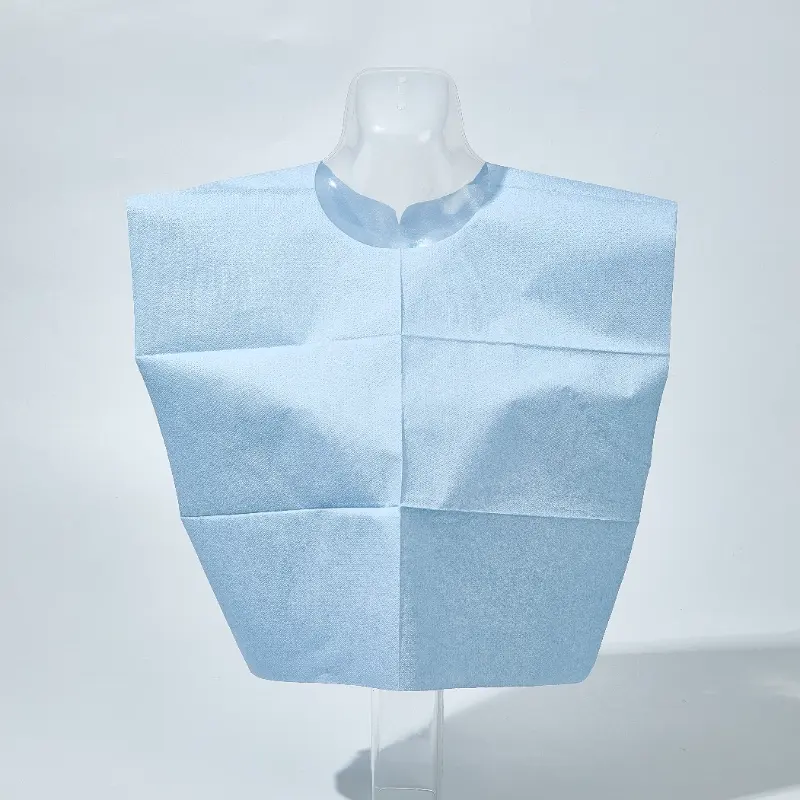
    In environments where cleanliness and quick turnover matter, a reliable Disposable Apron is no longer optional — it’s essential. Whether you’re running a busy dental clinic, a food-prep station, or a light-industrial line, the right apron protects staff and strengthens your hygiene protocols without adding laundering costs or storage hassles.


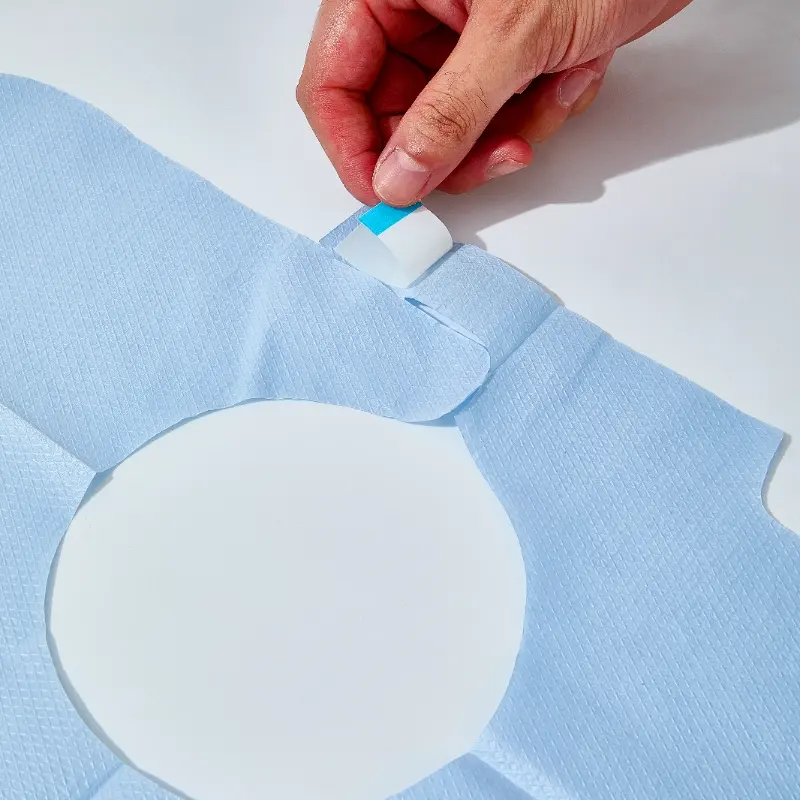
    Disposable aprons come in many forms to fit different needs. A Dental Apron is designed for splash protection, patient comfort and easy disposal after each procedure; lightweight but effective barriers reduce cross-contamination risk. For lightweight, single-use protection in salons, catering or quick medical checks, a Paper Apron offers an economical, biodegradable option that still delivers a clean-looking, professional presentation. Choosing the correct material and size ensures staff comfort while maintaining practical protection and reducing waste management burdens.


    Beyond material choice, practical benefits include rapid restocking, consistent single-use hygiene, and simplified compliance for busy teams. Many businesses prefer disposable options because they eliminate laundry cycles, lower infection risk, and free up staff time for care rather than cleaning. When comparing alternatives, consider thickness, tie/neck style, and compatibility with other PPE so the Disposable Apron integrates seamlessly into your workflow.


    For customers who require reliable supply and thoughtful service, Telijie stands apart. With over 20 years as a manufacturing partner serving global markets, Telijie combines factory-direct pricing with attentive OEM support, fast sample turnaround, and strict quality control throughout production. We help customers choose the right Disposable Apron, Dental Apron, or Paper Apron for their application, offer flexible customization (sizes, printing, packaging), and manage logistics to ensure steady supply. If you value decades of production experience plus responsive after-sales service, Telijie is built to deliver.

  • Soft, Hygienic, Reliable Why Your Clinic Needs an Examination Couch Paper Roll

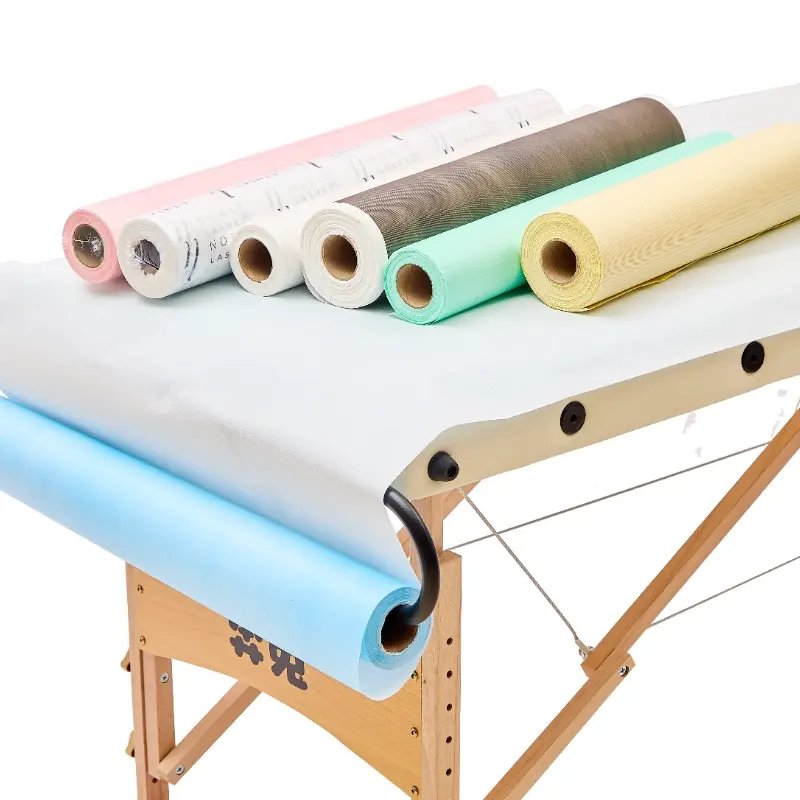
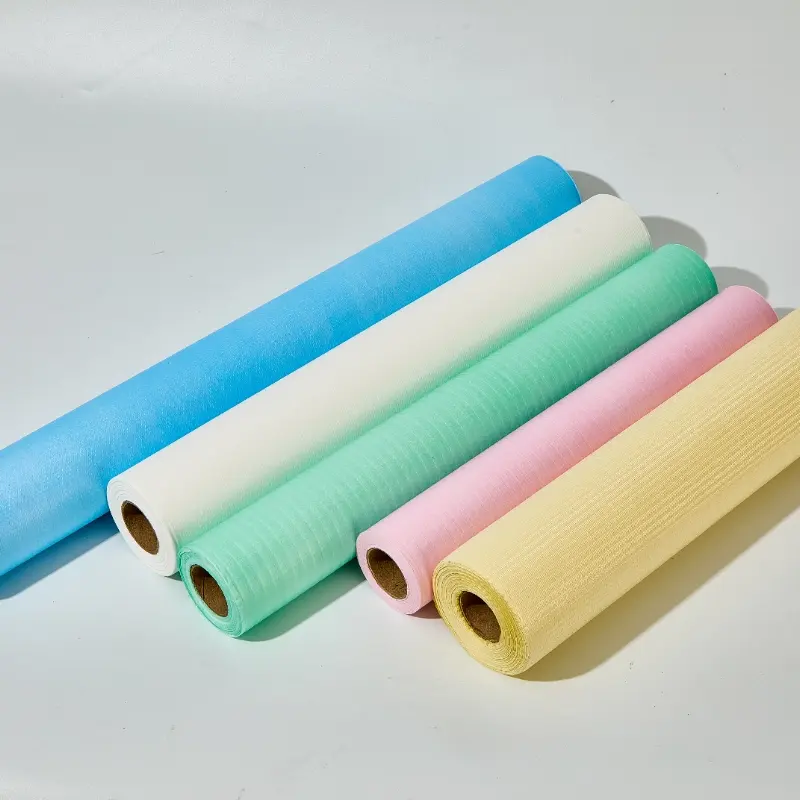
    Clean, comfortable patient care begins with the small details — like the sheet that lies between patient and couch. For clinics, physiotherapy centers, and beauty salons that value hygiene and professionalism, the right paper roll makes a measurable difference to patient confidence and infection control. A high-quality Examination Couch Paper Roll protects surfaces, reduces laundering costs, and makes turnover between patients faster and neater.


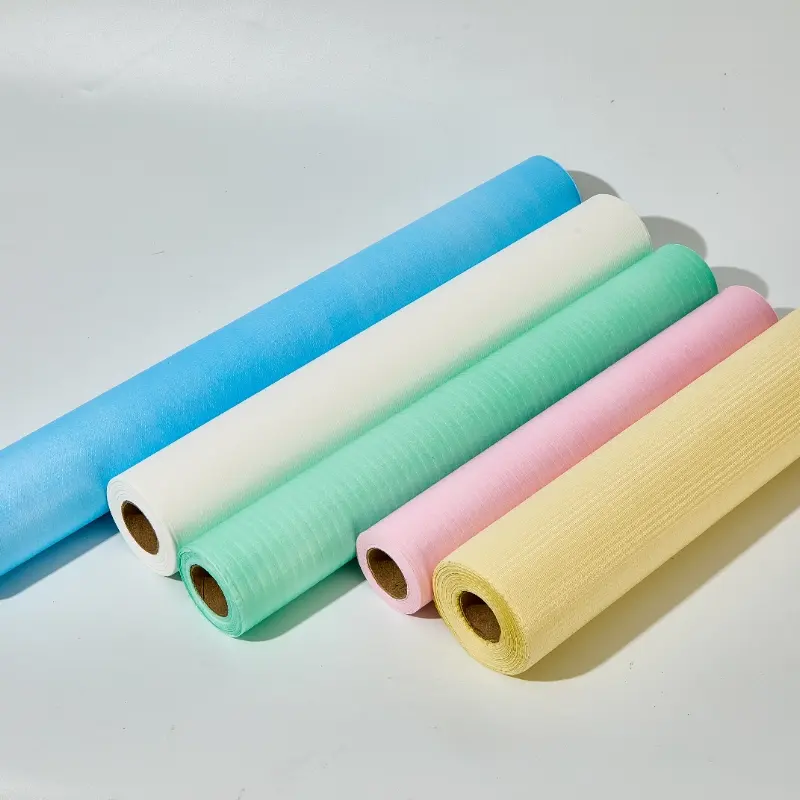
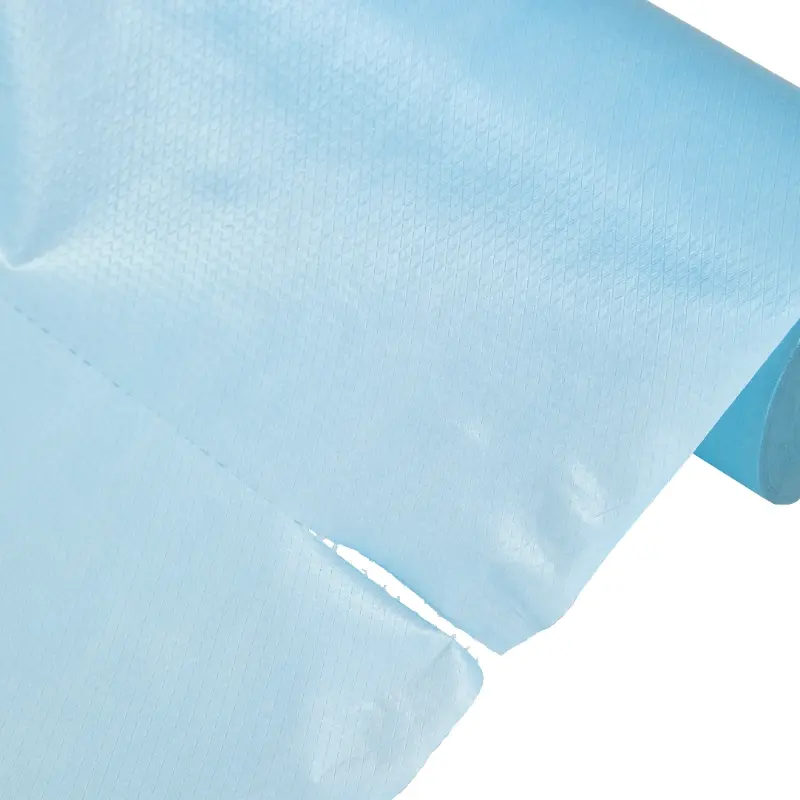
    Modern facilities need more than just a roll of paper; they need a dependable solution that performs under real-world pressure. Our Disposable Paper Bedsheet Roll options are designed for tear resistance, consistent unwind, and a smooth finish that won’t irritate skin. Whether you run a busy family practice or a specialist clinic, choosing the correct weight and width means fewer interruptions and a better experience for both staff and patients.


    For medical settings where compliance and convenience matter most, Medical Couch Rolls combine sanitary performance with cost efficiency. Look for rolls manufactured under strict quality controls, available in perforated and non-perforated formats, and compatible with standard couch dispensers. These rolls simplify inventory management while supporting infection control protocols — a small change that yields big operational benefits.


    As a factory with over 20 years’ experience serving the global market, Telijie knows the standards clinics expect. Beyond durable products, Telijie offers flexible OEM options, low minimum order quantities for trials, rapid production lead times, full quality inspection, and dependable international logistics. Our dedicated customer support helps with product selection, custom printing, and after-sales service — all designed to make switching to better Examination Couch Paper Roll and Medical Couch Rolls seamless for your practice. Choose Telijie for trusted products and service that keep your clinic running smoothly.

  • Crepe Paper for Sterile Safety Choosing the Right Medical Surgical Paper & Sterilization Wrapping Paper

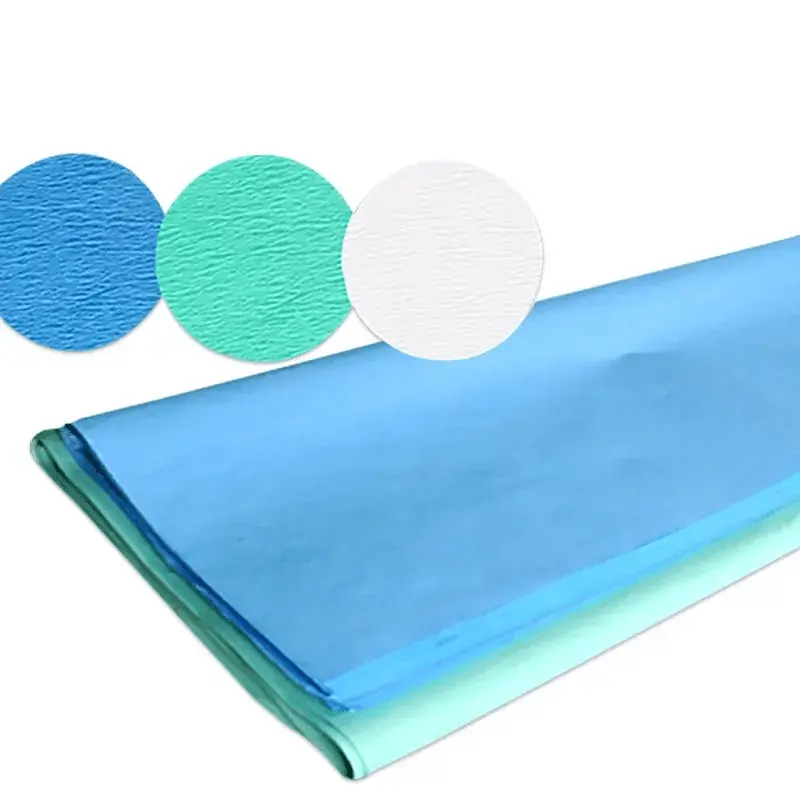
    Crepe paper isn’t just for crafts — in healthcare settings, high-quality Crepe Paper plays a vital role in protecting instruments and patients. From barrier performance to flexibility, modern creped materials deliver reliable breathability and tear resistance that make them ideal for surgical trays, instrument wraps, and packaging where sterility must be maintained without sacrificing handling convenience.


    Hospitals and clinics increasingly prefer purpose-made Medical Surgical Paper because it balances microbial barrier properties with ease of use. Compared with plain non-woven sheets, specialty crepe constructions conform better around irregular instruments and give staff confident handling during sterilization cycles. When a wrap must pass autoclave or low-temperature sterilization while keeping contents sterile until point-of-use, choosing the right **Sterilization Wrapping Paper** directly affects instrument safety and workflow efficiency.


    When evaluating suppliers look beyond paper weight and look for consistent crepe formation, controlled air permeability, and strong seam/edge performance — all features that reduce pinholes and maintain sterilization integrity. Practical considerations such as customizable roll widths, printed indicators, and compatibility with different sterilization methods help you match material to your facility’s protocols. Reliable sampling and clear technical data sheets speed adoption and reduce trial-and-error in procurement.


    With more than 20 years as a factory serving global markets, Telijie combines proven product quality with service excellence: rapid sampling, flexible minimum orders, multilingual customer support, and tailored packaging and logistics to meet international delivery timelines. Beyond the material benefits of our Crepe Paper, Medical Surgical Paper, and **Sterilization Wrapping Paper**, Telijie offers hands-on technical guidance, responsive after-sales support, and the supply-chain consistency healthcare providers need—making Telijie the partner hospitals trust.

  • Test Sooner, Act Faster – Enhance Sepsis Care with Poclight Diagnostics

    1. The Global Burden of Sepsis


    Sepsis is a life-threatening condition caused by the body’s extreme response to infection.

    From data published in 2020, globally, over 49 million people are affected each year, with approximately 11 million deaths, representing 20% of all global deaths (Global, regional, and national sepsis incidence and mortality, 1990-2017: analysis for the Global Burden of Disease Study. Lancet. 2020 Jan 18).

     

    sepsis worldwide


    Sepsis affects people globally, but incidence and mortality are highest in lower-middle-income countries (LMICs). In high-income countries, the average hospital cost per sepsis patient exceeds US$32,000.


    Understanding the Risk

    Anyone can develop an infection that leads to sepsis, but certain factors increase susceptibility. Older adults, infants (40% of all cases), pregnant women, and patients with pre-existing conditions—such as chronic kidney disease, liver disease, cancer, or heart failure—face higher risk.


     

    sepsis in children

    early diagnosis of sepsis


    Socioeconomic factors, access to healthcare, and living conditions also play a role, particularly in low- and middle-income countries where infections may be more prevalent and timely medical care is harder to access.

    ● High-risk populations: older adults, infants (half of all cases), pregnant women

    ● Pre-existing conditions: chronic kidney disease, liver disease, cancer, heart failure

    ● Socioeconomic & environmental factors: limited healthcare access, overcrowded living, poor sanitation


    2. The Role of Biomarkers in Sepsis Diagnosis


    Inflammatory biomarkers are measurable indicators of the body’s immune response to infection. In sepsis, key inflammatory biomarkers may include the following:
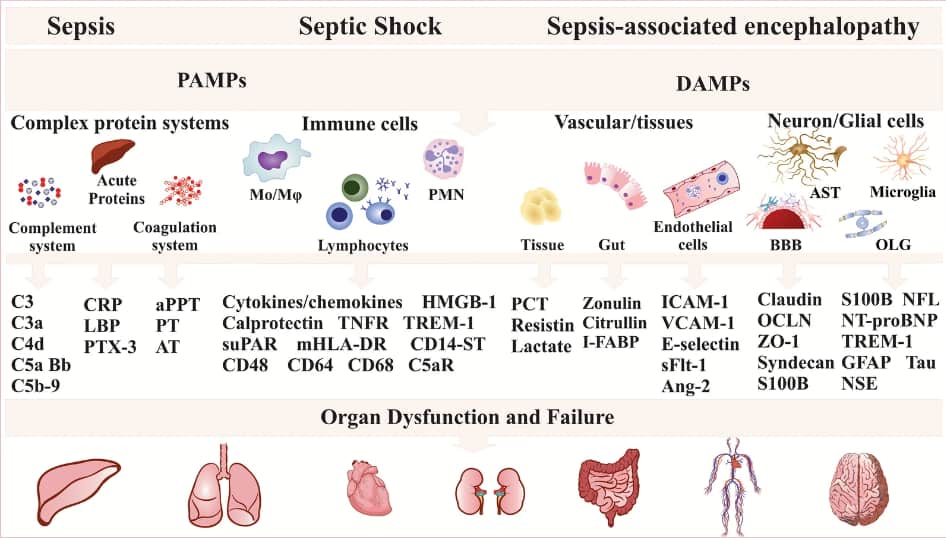
    sepsis biomarkers

    Sepsis, septic shock, and sepsis-associated encephalopathy biomarkers. (Barichello, T., Generoso, J.S., Singer, M. et al. Biomarkers for sepsis: more than just fever and leukocytosis—a narrative review. Crit Care 26, 14 (2022))
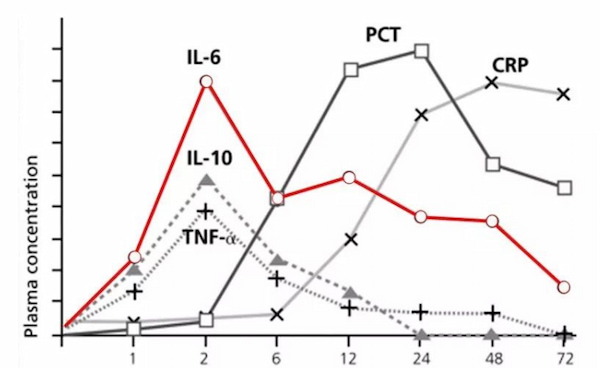
     

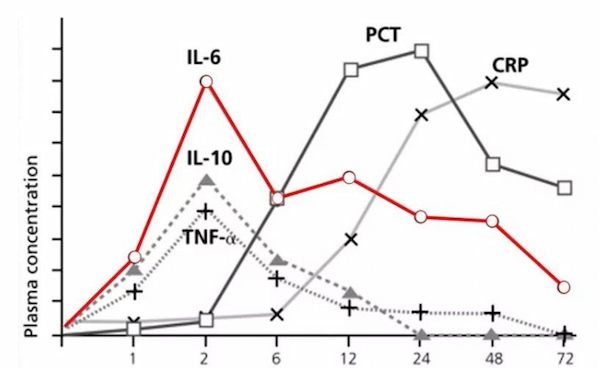
    kinetics of key inflammation markers

    Biomarker Kinetics After Bacterial Infection


    Clinical benefits of monitoring these biomarkers:

    ● Early detection of sepsis and assessment of severity

    ● Informed decisions on initiating, adjusting, or discontinuing antimicrobial therapy

    ● Support antimicrobial stewardship (AMS): Reduced unnecessary antibiotic exposure without increasing mortality

    ● Real-time monitoring of treatment effectiveness alongside pathogen identification and antibiotic susceptibility testing


    3. Poclight’s Solution: Speed, Precision, and Accessibility


    Poclight’s C5000 dry chemiluminescence immunoassay system offers a reliable approach to testing a panel of inflammatory and sepsis-related biomarkers, including PCT, CRP, IL-6, and HBP.

    Category

    Test

    Sample types

    Assay duration

    Sample volume

    Cut-Off value of Sepsis

    Measuring range

    INFLAMMATION

    CRP test kit

    Serum/Plasma

    /Whole Blood

    3min

    5 μL

    >100 mg/L

    >10 mg/L neonatal

    (low specificity, cannot diagnose sepsis alone)

    0.5~320 mg/L

    IL-6 test kit

    Serum/Plasma

    15min

    100 μL

    >250 pg/mL possible sepsis

    1.5~5000 pg/mL

    PCT test kit

    Serum/Plasma

    5min

    200 μL

    >0.5 ng/mL

    high risk of sepsis

    0.02~100 ng/mL

    HBP test kit

    Plasma

    5min

    50 μL

    >28.1 ng/mL

    5.9~300 ng/mL

    Note: The reference values provided for each biomarker are for guidance only. Final clinical diagnosis should not rely on a single parameter, but instead be based on a comprehensive assessment that combines multiple biomarkers, diagnostic tools, and clinical evaluation.


    1)  High Sensitivity & Specificity

    Fully homogeneous chemiluminescence technology enables precise detection of small-molecule hormones and inflammatory markers, minimizing false results.

    2)  Single-Test Freeze-Dried Reagents

    Each assay comes as a single-dose, freeze-dried reagent that is stable at room temperature for up to 18 months, simplifying storage and transport—ideal for hospitals, primary care clinics, and remote settings.
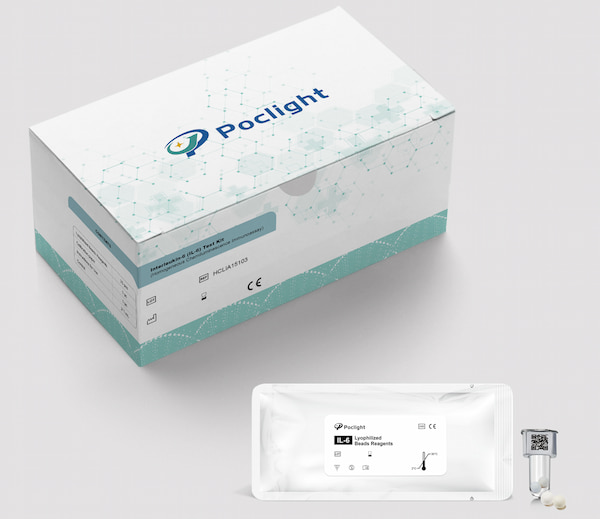
    Poclight freeze-dried reagents


    3)  Rapid Turnaround

    Test results in as fast as 3 minutes, enabling fast clinical decisions in critical situations.

    4)  Cost-Effective: Low per-test cost allows frequent testing, saving healthcare budgets.

    5)  Versatile and User-Friendly

    Compact, simplified instruments make the system suitable for diverse clinical environments, from GP, clinics, to labs.
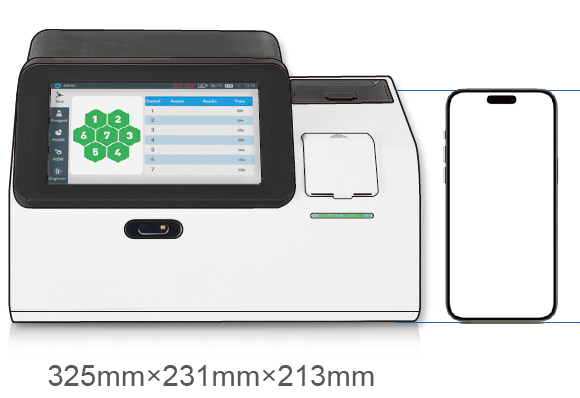
    C5000 analyzer


    By enabling early and accurate sepsis detection, Poclight diagnostics support clinicians in providing timely treatment while avoiding unnecessary broad-spectrum antibiotic use.


    Detect sepsis early, respond rapidly, and save lives - Care in Time with Poclight

    Get in touch with our specialists to get started and discover how we can help.

  • Upgrade Your IL-6 Testing Workflow with Poclight’s Fast & Reliable POC CLIA Solution

    1.  Introduction

    Inflammation is a key response of the body to infection, tissue injury, or other stressors. Early detection is critical because timely recognition can guide treatment decisions and improve patient outcomes.

    Interleukin-6 (IL-6) is a pro-inflammatory cytokine released by immune cells in response to infection or tissue damage. Its levels rise within 2 hours, significantly earlier than PCT (>2 hours) and CRP (>6 hours). This rapid increase makes IL-6 a valuable marker for early detection of systemic inflammation across a variety of clinical scenarios.

    Inflammation marker kinetics

    Figure: Kinetics of Key Inflammatory Markers After Bacterial Infection


    2.  Practical Value of IL-6 Testing

    In clinical practice, IL-6 is used across multiple scenarios:

    ● Hospitals and clinics: Early detection of sepsis and other acute inflammatory conditions.

    ● Laboratories: Rapid and reliable measurement of IL-6 supports timely reporting and monitoring.

    ● Specialized departments: Post-surgical care, transplant units, pulmonary wards, and oncology can use IL-6 to assess infection, tissue injury, immune response, or tumor progression.


    3.  Core Advantages of Poclight IL-6 Test Kit


    (1)  High Sensitivity & Wide Range

    ● Detects IL-6 down to 1.5 pg/mL with a range of 1.5–5000 pg/mL, covering early-stage inflammation to severe conditions.


    (2)  Small Sample Volume & Rapid Results

    ● Only 100 μL of serum or plasma needed, with 15-minute turnaround, ideal for fast clinical decisions.


    (3)  Room-Temperature Lyophilized Reagents

    ● Freeze-dried reagents require no cold chain and have a shelf life of 18 months, simplifying storage and transport.


    (4)  Easy-to-Use:

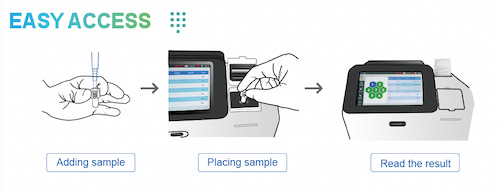
    ● Applicable with the C5000 POC CLIA Analyzer: 3-Step Operation, Maintenance-Free Design

    Easy 3-step operation

    ● QR code-based standard curve calibration

    ● Minimal upkeep make operation simple and reliable


    3.1 Assay Specification

    IL-6 Reagent Box


    Item

    Specification / Value

    Detection Limit (LOD)

    1.5 pg/mL

    Measurement Range

    1.5~5000 pg/mL

    Sample Volume

    100 μL

    Sample Type

    Serum / Plasma

    Assay Time / Turnaround

    15 min

    Precision (CV%)

    <5%

    Cut-off value

    ≤7 pg/mL normal


    3.2 Results Interpretation


    IL-6 Level (pg/mL)

    Clinical Interpretation

    < 7

    Normal

    7–150

    Indicates mild inflammation or mild infection

    150–250

    Suggests general bacterial infection or systemic inflammatory response

    > 250

    Strongly suggests sepsis or severe systemic inflammation


    Ready for fast, accurate POC IL-6 testing?

    Contact us today and experience how Poclight can upgrade your workflow!


  • Timely & Precise PCT Diagnostics for Labs, Hospitals and Point-of-Care

    1.  Why PCT Testing Matters in Clinical Practice


    Procalcitonin (PCT) is a peptide precursor of calcitonin.

    In healthy individuals, PCT circulates at very low levels. While during bacterial infections and systemic inflammation, PCT levels rise rapidly, making it a sensitive biomarker for sepsis and severe infections. 


    Clinical Significance of PCT


    ● Correlates with infection severity, and provides guidance in sepsis and septic shock, respiratory infections, acute pancreatitis, and other severe bacterial infections

    ● Monitors disease progression and treatment response

    ● Guiding antibiotic therapy and stewardship

    ● Not a standalone tool – most effective when combined with other screening tools, such as qSOFA scoring and hs-CRP. Best interpreted in conjunction with input from clinicians, pharmacists, and laboratory specialists.


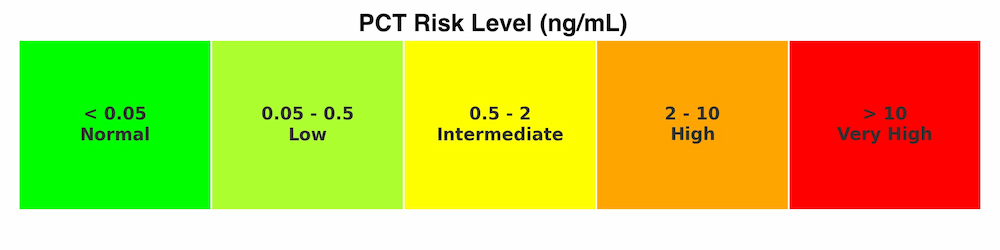
    2.  Results Interpretation - Assessing Sepsis Risk with PCT Levels

    PCT_risk_heatmap

    PCT (ng/mL)

    Risk Category

    Interpretation

    < 0.05

    Normal

    Normal; low likelihood of bacterial sepsis; suggests viral or non-infectious cause.

    0.05 - 0.5

    Low

    Early bacterial infection or inflammation possible; monitor and retest as needed.

    0.5 - 2

    Intermediate

    Significant bacterial infection or systemic inflammation; consider patient history; retest in 6–24 hours.

    2 -10

    High

    Severe bacterial infection; high risk of sepsis or septic shock; immediate clinical attention required.

    > 10

    Very High

    Strongly indicates severe sepsis or septic shock with risk of organ failure; urgent intervention needed.

    Important Considerations: PCT results must be evaluated alongside the patient's clinical presentation, symptoms, and other laboratory tests.


    3.  Poclight Procalcitonin (PCT) Test Kit: Timely, Reliable, and Ready-to-Use


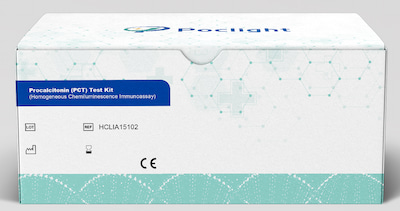
    Poclight PCT Reagent Box


    (1)  Key Advantages


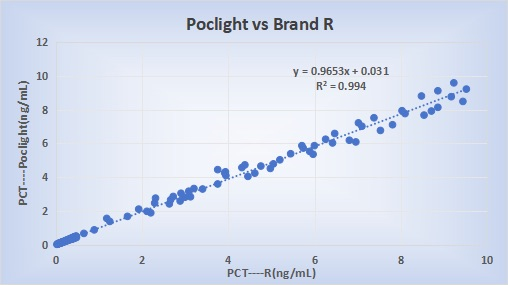
    ✓ Proven Technology: Highly sensitive and reliable detection with LOD ≤ 0.02 ng/mL and a wide linear range (0.02–100 ng/mL, r ≥ 0.990). PCT results on Poclight C5000 Analyzer are consistent with the Roche Elecsys BRAHMS PCT reference.

    PCT Assay Reference


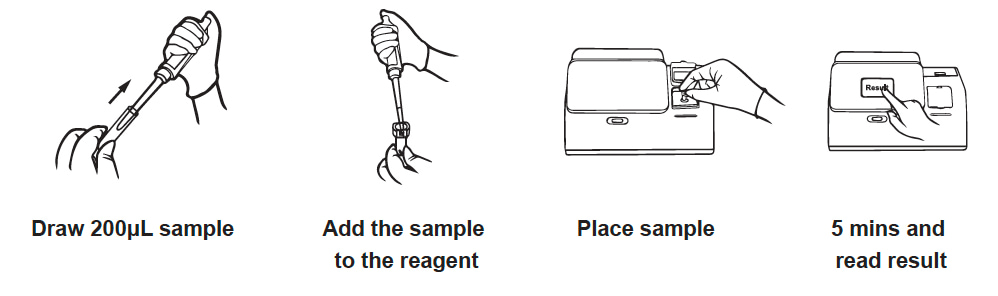
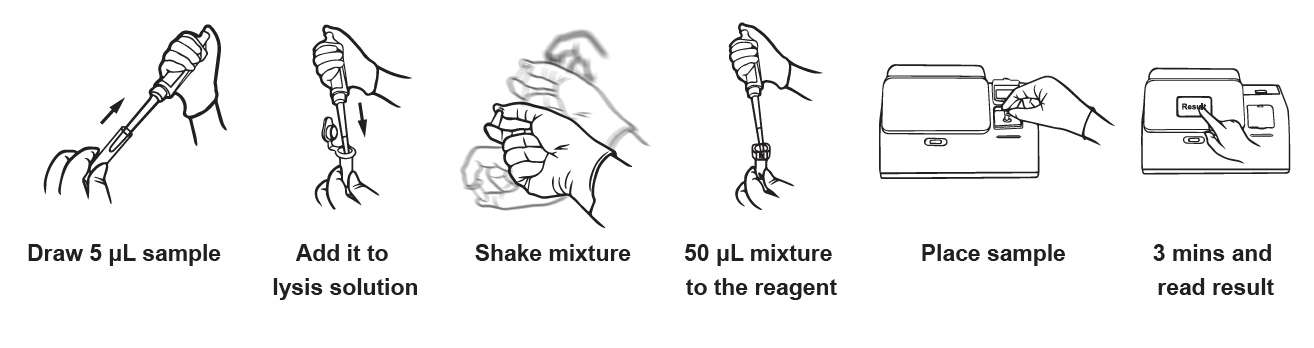
    ✓ Fast & Efficient: Easy operation, results available within 5 minutes

    Poclight PCT Test Operation

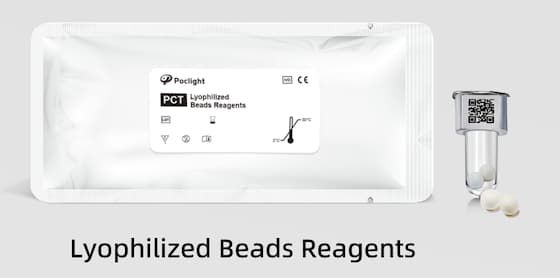
    ✓ Lyophilized reagents: freeze-dried for room temperature storage (2–30°C) with an extended shelf life of 18 months, eliminating the need for cold chain transport.

    Poclight PCT Reagent

    ✓ Trusted Quality: Strict quality control, CE certified, ensuring reproducible and accurate results.

    ✓ High Precision: Excellent assay precision (CV <5%) for consistent monitoring.

    ✓ Poclight POC CLIA Expertise:

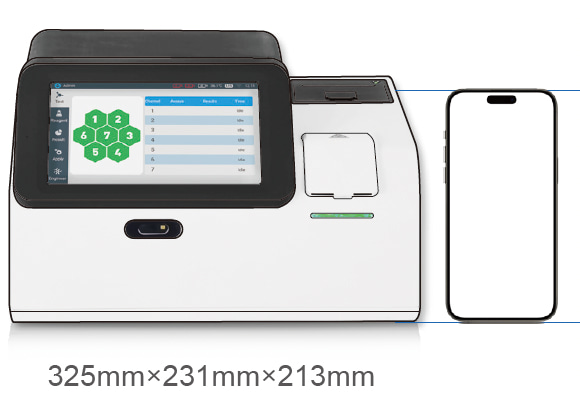
    ● The Poclight C5000 Analyzer combines high-throughput PCT testing (80 tests/hour) with quick & accurate results

    ● Intuitive operation and reliable reproducibility, making it ideal for both clinical labs and point-of-care settings.

    Poclight C5000 Analyzer

    ✓ Comprehensive Support: Training, marketing resources, and dedicated customer service to assist adoption.


    (2)  Poclight PCT Assay Specifications


    Item

    Specification / Value

    Detection Limit (LOD)

    ≤ 0.02 ng/mL

    Measurement Range

    0.02-100 ng/mL (r ≥ 0.990 within this linear range)

    Sample Volume

    200 μL

    Sample Type

    Serum / Plasma

    Assay Time / Turnaround

    5 min

    Precision (CV%)

    <5%

    Reference Range

    <0.05 ng/mL normal

    Applicable System:

    Poclight C5000 Analyzer


    4. Ready to Bring Poclight PCT Testing to Your Facility?

    Partner with us today to elevate the quality of PCT diagnostics at your facility! Contact us to request a demo, explore partnership opportunities, or learn more about how Poclight’s POCT solutions can benefit your practice.

    Discover more about our full suite of POCT inflammation solutions and how they can enhance clinical decision-making:

    C-Reactive Protein (CRP) Test Kit

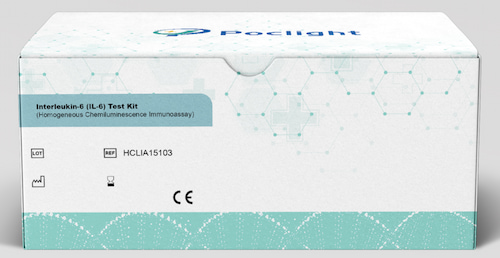
    Interleukin-6 (IL-6) Test Kit

    Krebs von den Lungen 6 (KL-6) Test Kit

    Heparin-binding protein (HBP) Test Kit

  • Telijie’s Disposable Examination Bedsheet — Trusted Medical Bed Sheet for Global Healthcare Providers

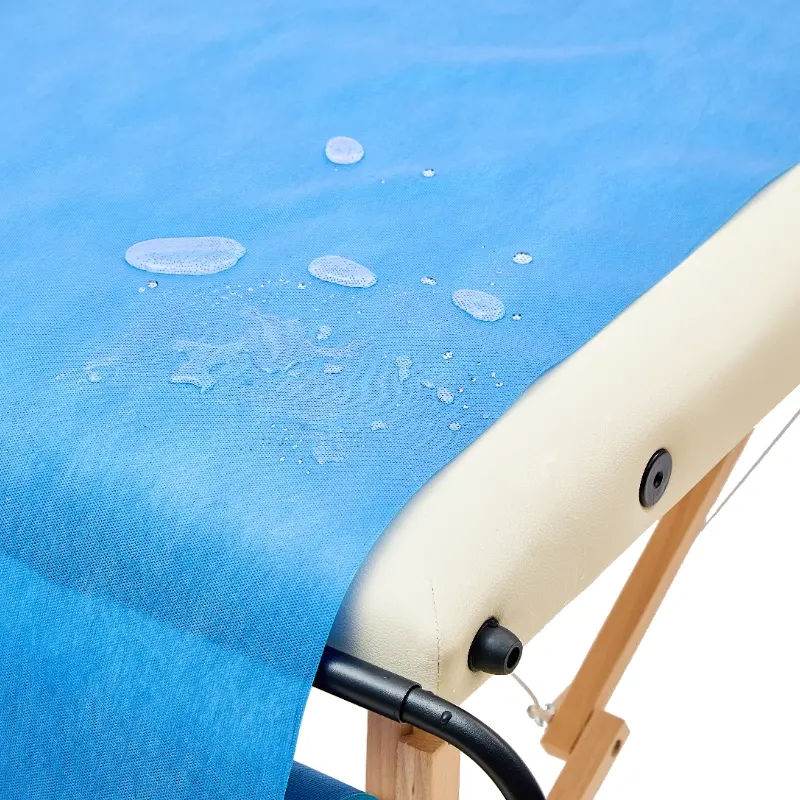
    In modern healthcare settings, maintaining strict hygiene without sacrificing patient comfort is non-negotiable — and that’s where a high-quality Disposable Examination Bedsheet makes the difference. Designed for single-use convenience, these sheets protect examination couches and treatment tables from contamination while offering a soft, breathable surface that patients appreciate. Whether you’re equipping a busy clinic, an outpatient center, or a mobile screening unit, choosing the right Medical Bed Sheet reduces cross-infection risk and simplifies turnover between patients.


    Material choice and manufacturing control determine real-world performance. Our disposable sheets are engineered from durable, non-woven fabrics that balance fluid resistance with comfort; they meet the practical needs of clinicians who require reliable barrier protection during routine exams and procedures. For more demanding environments, we also offer options that meet standards expected of a Surgical Bed Sheet, providing the extra protection and dimensional stability required in minor surgical procedures and sterile prep areas.


    Versatility is key: from general check-ups and dermatology to dental, physiotherapy, and surgical prep, a properly specified bedsheet streamlines workflow, lowers laundry costs, and improves patient perception of clinical cleanliness. Hospitals and practices serving international patients or operating large screening programs value consistent supply, simple disposal, and clear product specifications — all factors that make inventory management and regulatory compliance easier.


    With over 20 years as a factory supplying global markets, the Telijie brand delivers dependable product quality plus the service advantages: rapid OEM/ODM customization, strict quality control at every production stage, worldwide shipping channels, and a responsive customer service team that supports documentation and certification needs. If you want a reliable Medical Bed Sheet or a certified Surgical Bed Sheet backed by decades of manufacturing experience and attentive Telijie service, get in touch to discuss samples and volume options.

  • Upgrade Client Comfort with a Durable Massage Face Cover from a Trusted Manufacturer

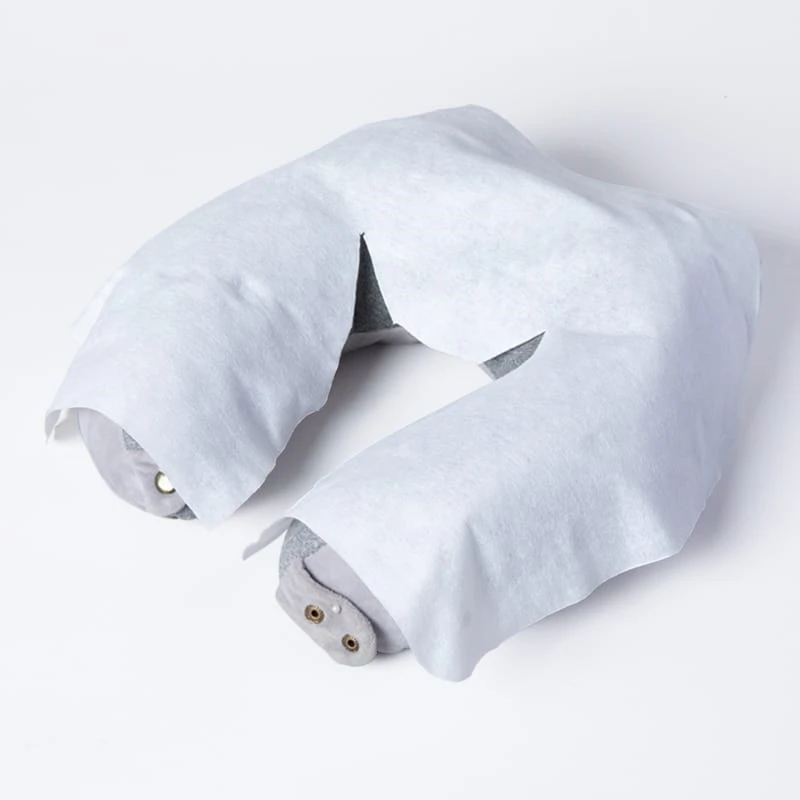
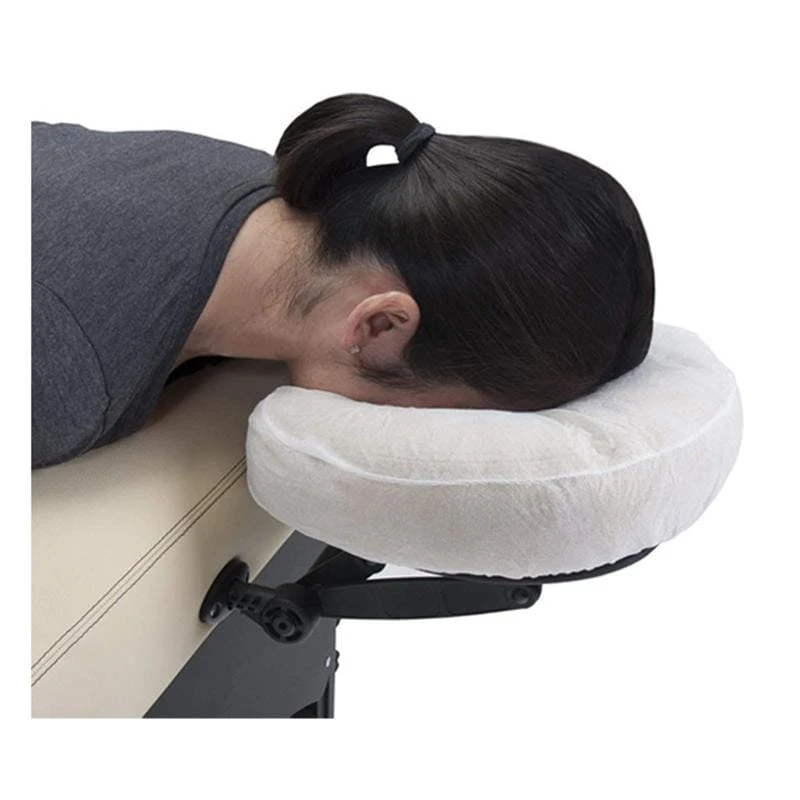
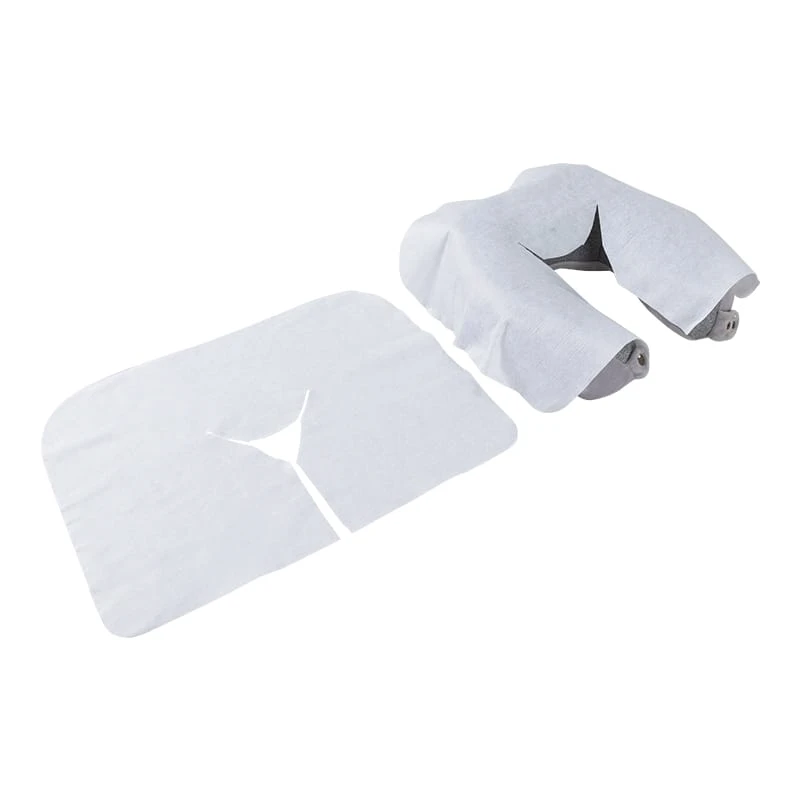
    A well-designed Face Cradle Cover can transform a routine massage into a comfortable, hygienic experience your clients will remember. As a factory with over 20 years serving the global market, we know that therapists and spas need reliable, easy-to-clean protection that fits securely and looks professional. Whether you’re replacing worn fabric or specifying supplies for a busy clinic, choosing the right Headrest Cover is the first step toward better client care and smoother operations.


    Hygiene and comfort are the two pillars of a great treatment room — and that’s exactly what a premium Massage Face Cove delivers. High-quality covers protect foam and upholstery from oils and sweat, reduce laundering time, and keep your headrest smelling fresh between sessions. For clients, a soft, breathable surface reduces skin irritation and improves relaxation; for practitioners, a snug Face Cradle Cover that’s simple to remove and wash means less downtime and more bookings.


    Material and fit matter: look for covers made from durable, washable fabrics with reinforced seams and a tailored design that stays in place during movement. A well-fitted Headrest Cover not only looks neater but also extends the life of your equipment, protecting investment and maintaining the professional appearance of your studio. Many of our customers prefer covers that balance stretch for easy fitting with enough structure to prevent slipping — the result is a smoother treatment and fewer mid-session adjustments.


    At Telijie, we combine two decades of factory experience with customer-focused service to make sourcing Massage Face Cover solutions effortless. Beyond product quality, Telijie offers flexible OEM/ODM options, small-sample runs for evaluation, responsive global logistics, and dedicated after-sales support so you get exactly the fit and finish your brand requires. Partnering with Telijie means steady supply from a manufacturer who understands spa and therapy needs worldwide — reliable lead times, clear communication, and customization options that help your business stand out. Contact Telijie to request samples or discuss branded Face Cradle Cover and Headrest Cover options tailored to your market.


  • CRP Testing Essentials Reliable, Affordable, and Clinically Relevant

    1.  What It Is


    C-reactive protein (CRP) is an acute-phase protein mainly produced by the liver into the blood in response to inflammation. CRP levels rise rapidly following inflammatory stimuli and decline promptly once the trigger resolves, making it a valuable tool for early diagnosis and treatment monitoring. 

    Parameter

    C-reactive protein (CRP)

    Primary Site of Production

    Liver

    Clinical Utility

    ●  Monitor inflammation and guide patient management

    ●  Differentiate bacterial from viral infections: CRP level ≥ 50 mg/L are linked to bacterial infections in ~ 90% of cases

    CRP Response & Half-life

    ● Onset of increase: 6–8 hours

    ● Peak: 24–48 hours

    ● Half-life: ~19 hours


    2.  Why It Matters

    Inflammation Bacteria Virus

    (1)  Reliable biomarker: Clinically validated indicator of systemic inflammation, infection, autoimmune disorders, and cardiovascular risk.

    (2)  Actionable insights: Supports differential diagnosis (bacterial vs viral), informs antibiotic prescribing, and monitors disease activity to guide treatment.

    (3)  POC advantage: Rapid, on-site testing enables timely clinical decisions in primary care, emergency, and bedside settings.


    3.  Reference Ranges:


    Item

    Result

    Interpretation

    High-sensitivity C-reactive protein
    (hs-CRP Assay Kit)

    (assessing risk of cardiovascular events)

    1 mg/L

    Low cardiovascular risk

    1–3 mg/L

    Moderate cardiovascular risk; anti-inflammatory therapy recommended

    ≥ 3 mg/L

    High cardiovascular risk; anti-inflammatory and antithrombotic therapy recommended

    C-Reactive Protein (CRP Test Kit)

    < 10 mg/L

    Normal

    > 10 mg/L

    Indicates inflammation; possible infection, autoimmune disease, or chronic inflammation

    > 50 mg/L

    Indicates bacterial infection (~90%); viral infection uncommon

    > 100 mg/L

    Severe elevation, generally seen in acute bacterial infections

    Note: Results should be interpreted in the context of the patient’s clinical condition. Laboratories are recommended to establish population-specific reference values for their region, as the levels may vary with demographic and methodological factors.


    4.  When and Where to Measure CRP


    Clinical Setting

    When / Indication

    Purpose / Clinical Use

    Primary care / Outpatient clinics

    At onset of acute symptoms; routine follow-up for chronic inflammation

    Rapid assessment of infection; guide antibiotic use; monitor autoimmune disease activity

    Emergency department / Urgent care

    Suspected acute infection, fever, or trauma

    Triage patients; monitor acute inflammation and treatment response

    Hospital / Laboratory / ICU

    Post-surgery, trauma, sepsis, or during treatment

    Assess inflammation; monitor therapy effectiveness, and track disease progression


    Application Scenario


    5.  Why Poclight CRP Stands Out: Facts & Features


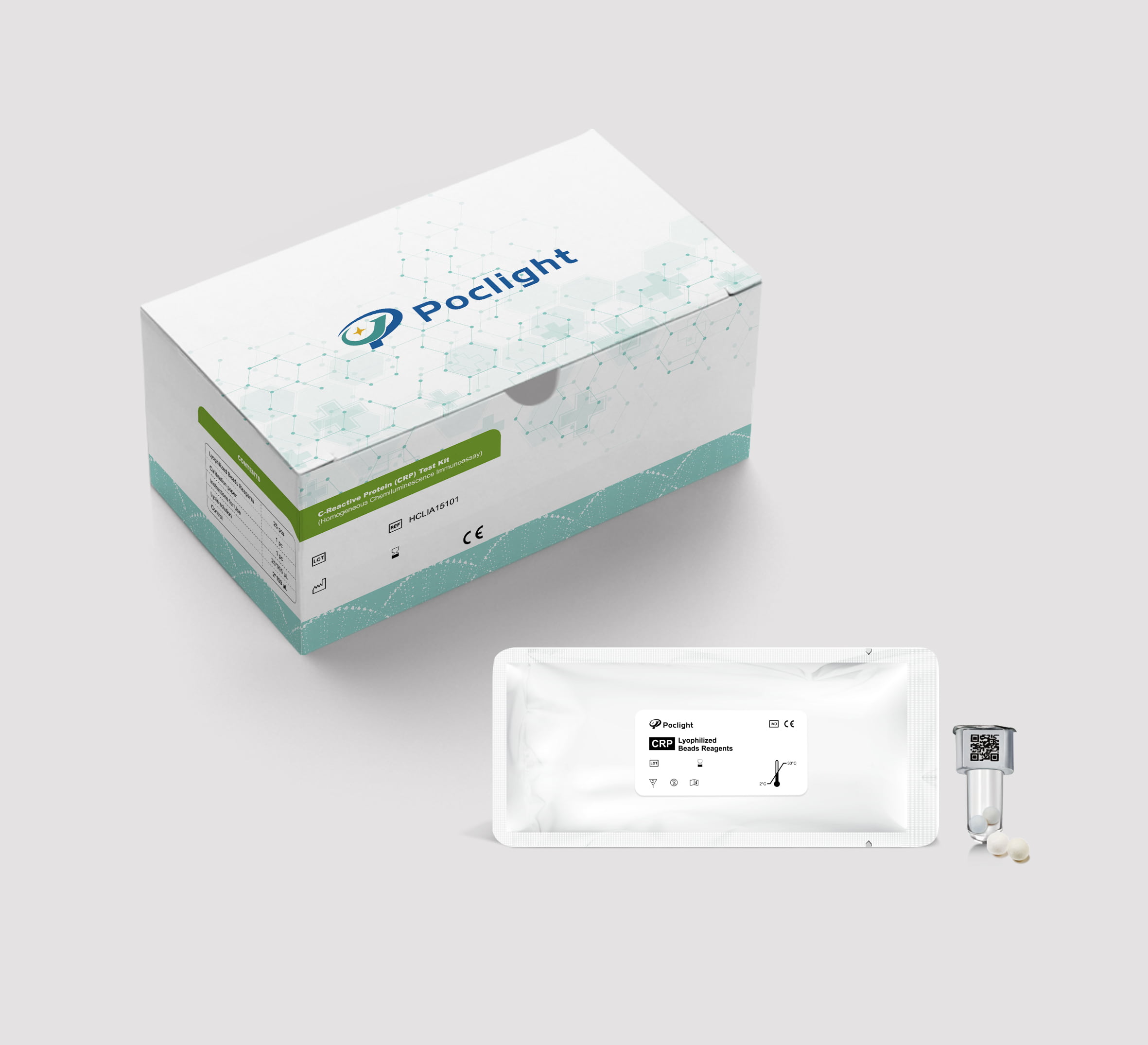
    Poclight CRP Test Kit


    (1)  Assay Specifications

    Item

    Specification / Value

    Detection Limit (LOD)

    ≤ 0.5 mg/L

    Measurement Range

    0.5 - 320 mg/L

    within this linear range, the linear correlation coefficient r should be not less than 0.990

    Sample Volume

    5 μL

    Sample Type

    Serum, Plasma, Whole Blood

    Assay Time / Turnaround

    3 min

    Precision (CV%)

    5%

    Reference Range

    <10 mg/L


    (2)  Key Features:

    a.  Advanced patent technology: 5th generation homogenous CLIA, CRET technology

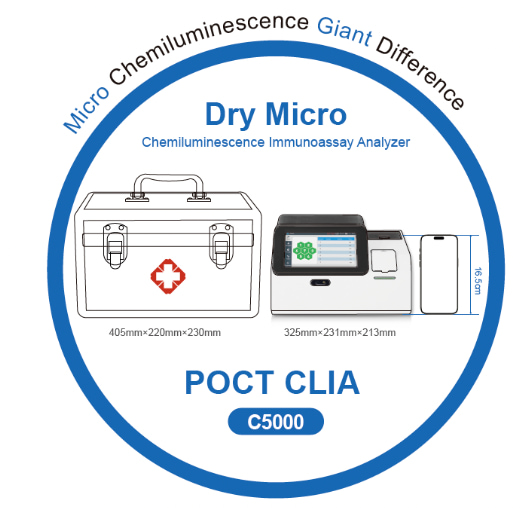
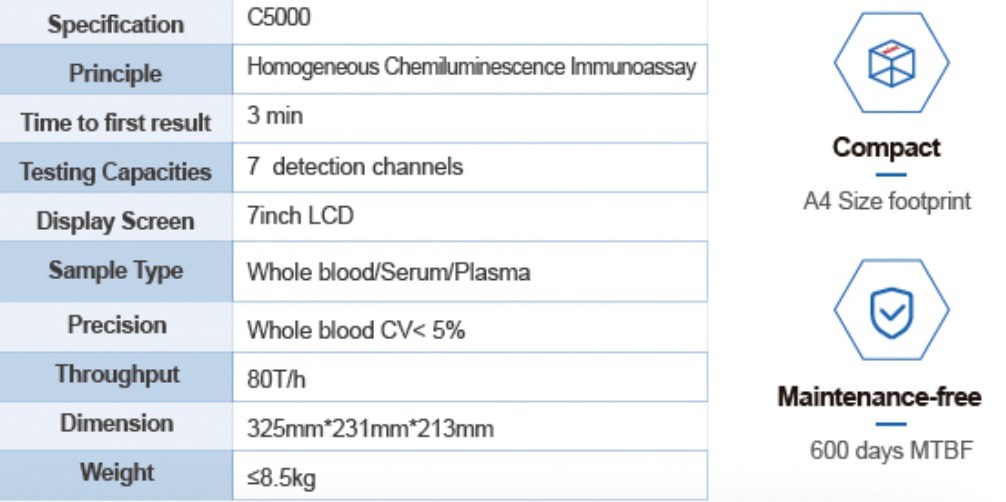
    b.  Compatible with Poclight C5000 analyzer: Designed for POC settings, auto-calibration, built-in scanner, internal mixing component, and more


    C5000 POC CLIAC5000 Specifications


    c.  Individually packaged: on-demand testing

    d.  Room-temperature transport, no cold chain required: saves logistic costs

    e.  Lyophilized reagents: freeze-dried reagent for room temperature storage (2–30°C) with extended shelf life of 18 months

    f.  Operational efficiency: intuitive process, reduced workload, and optimal lab performance

    CRP Operation


  • Cost-Effective KL-6 Test Kits with Clinical-Grade Performance

    1.KL-6 Testing Solutions

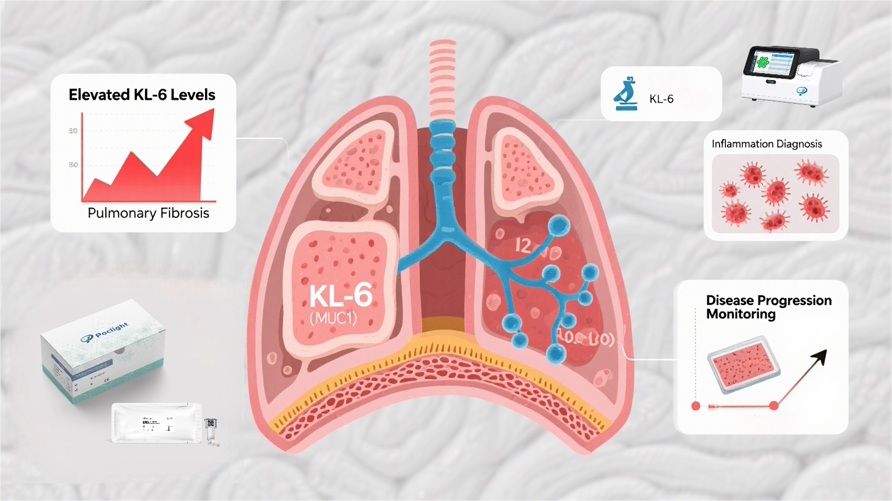
    KL-6 (Krebs von den Lungen-6)assay kit is a high-molecular-weight mucin belonging to the MUC1 glycoprotein family, primarily secreted by type II alveolar epithelial cells. Clinical studies have shown that elevated KL-6 levels correlate closely with pulmonary fibrosis, inflammation diagnosis, and disease progression.

    KL-6 test kit function

    2. Diseases Associated with KL-6 

    KL-6 is a key serum biomarker for respiratory diseases, particularly ILD. Elevated levels are commonly seen in:

    • Idiopathic Pulmonary Fibrosis (IPF)
    • Nonspecific Interstitial Pneumonia (NSIP)
    • Autoimmune disease–associated ILD – e.g., systemic sclerosis, Sjögren’s syndrome, dermatomyositis
    • Drug-induced or radiation-induced lung injury
    • Severe infections / viral pneumonia (e.g., COVID-19)
    • Acute Respiratory Distress Syndrome (ARDS)

    These conditions are all associated with alveolar epithelial injury. KL-6 testing offers a non-invasive, repeatable, and quantitative monitoring tool.

    3. Key Points for Therapeutic Monitoring

    In clinical management, KL-6 is valuable for:

    • Baseline assessment – initial measurement at diagnosis for comparison in follow-up
    • Therapeutic tracking – re-testing 1–3 months after treatment to evaluate improvement or deterioration
    • Relapse prediction – re-elevated KL-6 may indicate recurrence or complications
    • Multi-marker combination – combining KL-6 with SP-D, LDH, and imaging to improve accuracy

    4. Global KL-6 Testing Market Size & Major Brand Comparison

    (1) Global Market Size (Preliminary Estimate)

    ① Japan – Largest Market: KL-6 is widely used in Japan for diagnosing and monitoring interstitial lung disease (ILD) and is covered by national health insurance. Annual testing volumes are likely in the hundreds of thousands to over one million.

    ② Europe & North America: KL-6 is used mainly for research or as an auxiliary diagnostic biomarker. It has not yet been widely adopted as part of routine clinical practice, but the market is in a growth phase.

    ③ Impact of COVID-19: The pandemic increased global awareness of KL-6, especially in respiratory disease monitoring. Future application scenarios may further expand.

    (2) Major Brands & Product Comparison

    Brand / Platform Detection Method Product Features QC & Price*
    Fujirebio  CLEIA  High sensitivity,high-throughput  Auto QC; $$$ (High)
    Eisai / EIDIA ECLIA Clinical-grade stability  Hospital labs; $$$
    BioVendor ELISA / Latex Simple, low-cost ~$630 / 96 wells
    MyBioSource / Creative Diagnostics ELISA Multi-brand, research use €500–600 / 96 tests
    Poclight  Homogeneous CLIA No cold chain, portable, 3-15 min TAT,18-month RT; Free QC with MOQ reagent purchase

    *Price: $ = low, $$ = medium, $$$ = high 

    5. Accurate KL-6 Measurement with Chemiluminescence Immunoassay (CLIA)

    Compared with ELISA, CLIA offers clear benefits in KL-6 detection.CLIA is a technique that combines immunoreactions with chemiluminescent signal detection, well-suited for highly sensitive quantitative measurement of low-concentration biomarkers like KL-6.

    Testing workflow:

    • Antigen–antibody binding – KL-6 binds to an immobilized primary antibody
    • Signal amplification – a labeled secondary antibody forms a sandwich complex
    • Chemiluminescent reaction – the label catalyzes substrate to emit light
    • Signal detection & calculation – light intensity is proportional to KL-6 concentration

    6. Typical Case

    Case: A patient with systemic sclerosis presented with a KL-6 level of 1800 U/mL at diagnosis (significantly elevated). After 3 months of immunosuppressive therapy, the level decreased to 950 U/mL, imaging showed reduced fibrotic lesions, and dyspnea symptoms improved.

    Insight: KL-6 is not only useful for disease detection, but also for quantifying therapeutic response, providing physicians with evidence to adjust treatment plans.

    7. Rapid Testing Advantages of the Poclight C5000

    The Poclight C5000 POCT CLIA analyzer offers several competitive advantages for KL-6 testing:

    • No cold-chain reagent requirement – easier transport and storage, reduced wastage
    • Portable and compact – suitable for primary hospitals, clinics, and mobile healthcare units
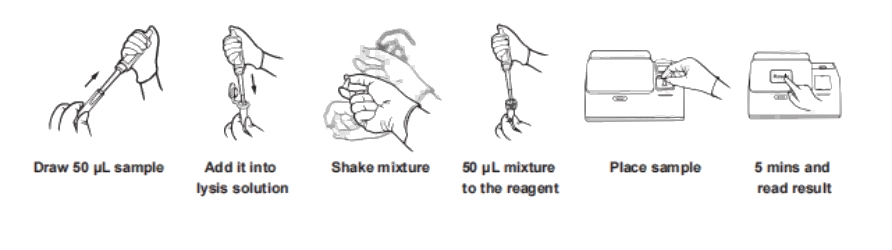
    • Simple operation – six steps to complete testing, results within 5 minutesKL-6 Test kit operation
    • Multi-assay platform – runs KL-6 alongside other inflammatory markers on the same device
    • High-precision results – CLIA sensitivity comparable to large fully automated platforms
    • On-demand testing – ideal for emergency and bedside use in inpatient wards