Why Pediatric and Geriatric Veins Are Different
Pediatric patients (newborn to school age)
-
Small vein diameter: target veins in infants are often under 2 mm, below the reliable range of visual inspection alone.
-
Subcutaneous fat: in infants and toddlers, veins are neither visible nor easily palpable.
-
Low fill under crying or cold stress: vasoconstriction makes already-small veins practically disappear.
-
One attempt matters more: children develop needle phobia quickly; a failed experience can affect cooperation in every future procedure.
Geriatric patients
-
Loss of skin elasticity and subcutaneous tissue: veins roll away from the needle instead of staying fixed.
-
Chronic disease and medication: long-term chemotherapy, anticoagulants and repeated hospitalizations leave sclerotic, fragile vessels.
-
Dehydration: common in elderly admissions, reduces vein fill even when the vein itself is healthy.
-
Thin, fragile vessel walls: higher risk of infiltration and hematoma after each additional attempt.
In both groups the problem is the same at its core:the target exists, but the nurse cannot see it well enough to place the needle with confidence.That is exactly the gap a near-infrared vein finder addresses.
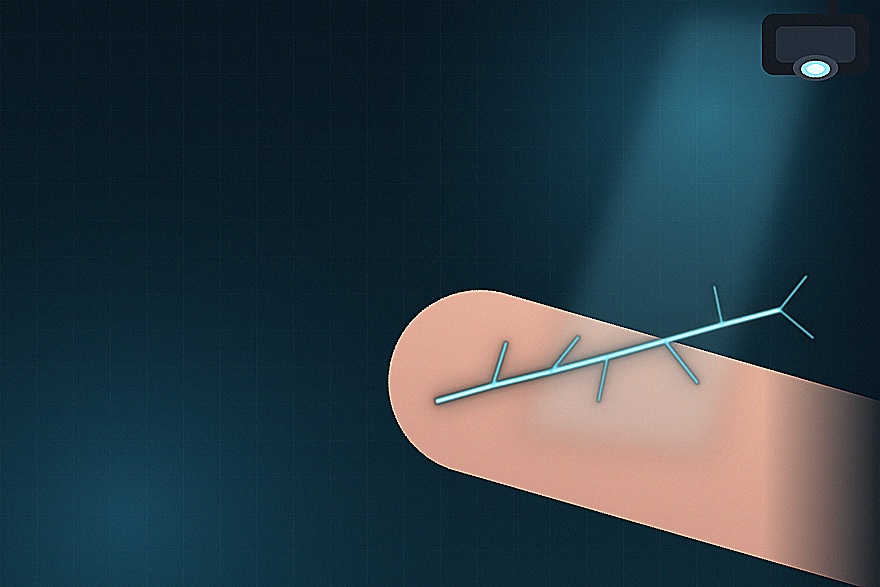
How a Near-Infrared Vein Finder Helps in These Two Groups
NIR devices project harmless infrared light at the skin; deoxygenated blood absorbs the light, and the reflected image of the vein map is projected back onto the skin in real time. In practice this supports the nurse in four ways:
- Confirms the target before the needle moves— vein location, direction and branching are visible, reducing "probe and hope" attempts.
- Reveals veins hidden by fat, edema or age— subcutaneous patterns invisible to the eye become clear boundaries to aim between.
- Supports one-nurse workflow— unlike ultrasound, no second person is needed to hold a probe; the nurse keeps both hands for the procedure.
- Reduces patient anxiety— a calm, single-attempt procedure is also the best pediatric "sedation" there is.
Where It Fits in the Clinical Workflow
A vein finder is afirst-line support tool, not a rescue device of last resort. The most effective pattern we see in hospitals:
- Standard assessment first— inspect and palpate as usual.
- Deploy the vein finder when confidence drops— pediatric wards, geriatric wards, oncology day-rooms and emergency pediatric bays benefit most from having the device permanently at the point of care.
- Escalate to ultrasound for deep central targets— NIR supports peripheral access; it does not replace ultrasound-guided deep vein cannulation.
Units that position the device at the bedside — rather than locked in a storeroom — report the fastest adoption and the greatest reduction in escalated escalations and patient complaints.
Key Takeaways
- Pediatric and geriatric patients fail conventional first-stick attempts for anatomical reasons that NIR imaging directly addresses.
- The device pays off most when it lives at the point of care, not in storage.
- Projection accuracy, depth range and real-time refresh are the three specifications that separate useful devices from toys.
FAQ
Q1: Is near-infrared light safe for children and repeated daily use?
Yes. NIR vein finders are non-contact and non-radiative; the infrared output is low power and safe for daily use on all patient groups, including newborns.
Q2: Does a vein finder work on dark skin tones?
Yes. The imaging is based on infrared absorption by blood, not on visible color contrast, so performance is skin-tone independent.
Q3: Can it replace ultrasound for difficult IV access?
No — they are complementary. The vein finder is faster and hands-free for peripheral veins; ultrasound remains the tool for deep veins and central access.
Q4: Which wards benefit most?
Pediatrics, geriatrics, oncology, emergency and any ward with a high share of chemotherapy or long-term hospitalized patients.
Q5: Does using a vein finder require special training?
Minimal. Most nurses operate confidently after a short bedside demonstration; the device projects the vein map in real time on the skin.
Q6: Can it help with phlebotomy as well as cannulation?
Yes. Blood draw success in pediatric and geriatric patients improves the same way — the target is visible before the needle advances.
To see the ZD Medical vein finder specifications, visit www.zdmedimage.com or contact our clinical application team for a bedside demonstration proposal.
Interested in becoming a distributor? Contact us for wholesale pricing.
Also welcome to contact us, we are ZD Medical Inc.
Tel : +86-187 9586 9515
Email : sales@zd-med.com
Whatsapp/Mobile : +86-187 9586 9515