{ 95kpa biohazard bag }

  • Navigating FDA’s 2025 Clinical Sample Export Ban How AIC’s Compliant Transport Solutions Keep Global Biotech Supply Chains Moving

    When the U.S. FDA announced its June 2025 ban on shipping U.S. clinical trial samples to “adversary nations” like China and Russia, the global biotech industry felt an immediate jolt. For U.S. biotechs, the loss of access to China’s high-throughput sequencing services—relied on by ~30% of U.S. clinical trials—threatened supply chain disruptions. For labs and manufacturers worldwide, it also raised the stakes: any clinical sample transport now demands stricter compliance, leak-proof safety, and global logistics resilience to avoid costly delays or regulatory penalties.
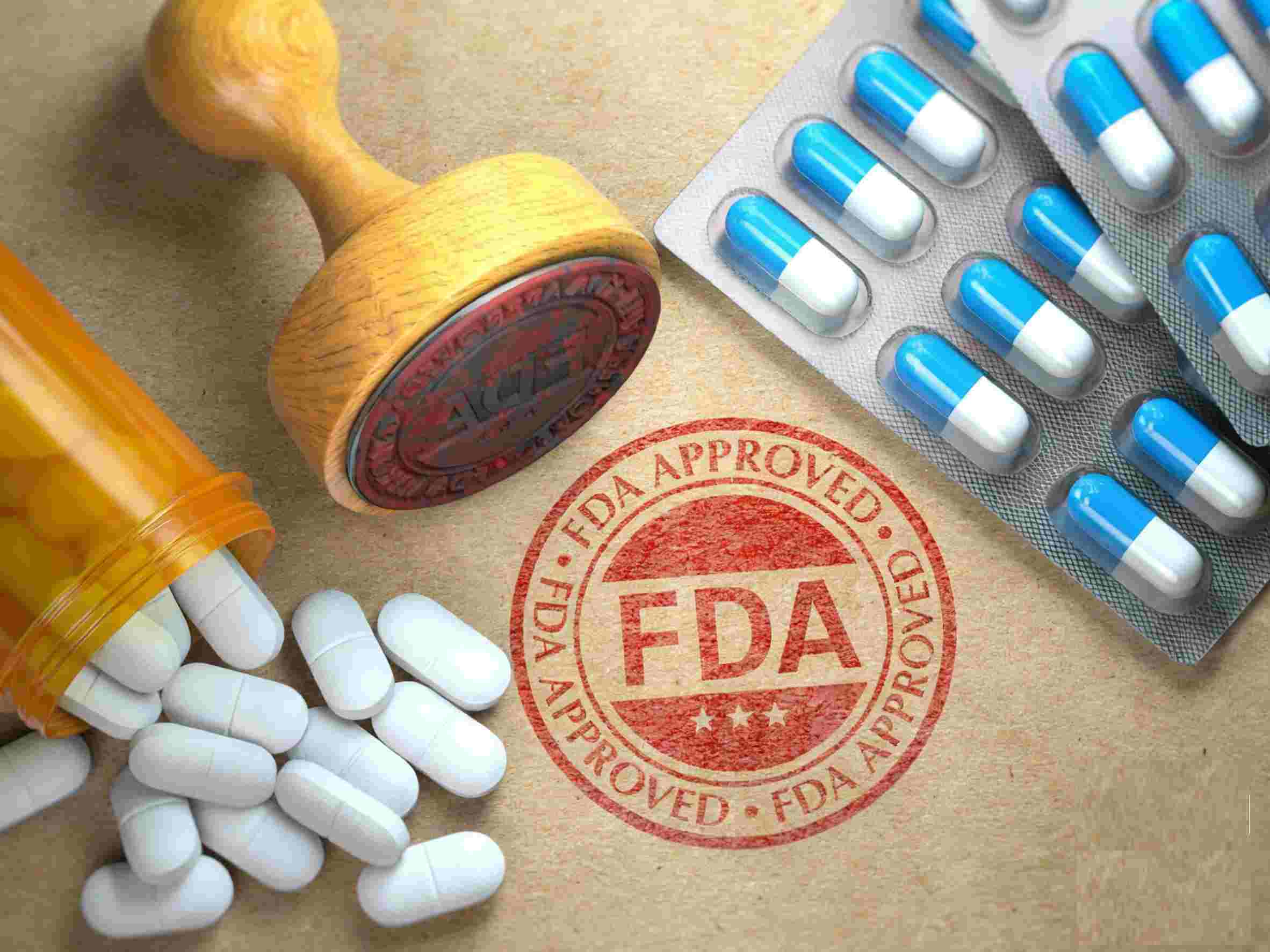
    FDA specimen bag

    At AIC Biological Bag, we’ve built our solutions to address exactly these challenges. As a leading supplier of UN3373-compliant specimen transport bags and kits, we help biotech firms, clinical labs, and CROs (like your partners IQVIA and Labcorp) stay agile—even when policies shift. Below’s how the FDA ban is reshaping sample transport, and how AIC’s products keep your operations on track.


    The FDA Ban’s Ripple Effect: What It Means for Global Sample Transport


    The FDA’s policy reversal isn’t just a U.S.-China issue—it’s a wake-up call for the entire industry to prioritize two non-negotiables: regulatory compliance and supply chain reliability.


    • Compliance Scrutiny Is Tighter Than Ever

    With the FDA framing sample transport as a “national security” issue, customs and health authorities worldwide are stepping up inspections of cross-border shipments. Any sample bag that fails to meet international standards (like UN Regulation PI650 or UN3373 for biohazard materials) risks being held or rejected—delaying trials and wasting valuable specimens. 


    For example, a U.S. biotech recently saw a batch of blood samples detained at a European port because their transport bags lacked 95kPa pressure certification, a key benchmark for leak resistance.


    • Supply Chain Diversification Becomes Critical

    The 30% reliance on China’s sequencing services has forced U.S. firms to seek alternative partners in regions like Southeast Asia or Europe. This shift means longer transport routes—and a greater need for durable, temperature-stable packaging that protects samples from turbulence, temperature fluctuations, or accidental drops. 


    AIC’s clients in Singapore and Germany, for instance, now use our ai650 series for 72-hour transcontinental shipments, with zero leakage incidents.


    • Risk Mitigation Is Non-Negotiable

    The FDA’s lack of specific “violation examples” has left companies guessing about what qualifies as “high-risk” transport. To avoid gaps, labs and CROs are doubling down on safety features: absorbent pouches to contain spills, tamper-proof seals to prevent contamination, and independent document pockets to keep customs forms separate from samples. These aren’t just “nice-to-haves”—they’re essential for passing audits and maintaining trust with partners.


    How AIC’s Solutions Address the FDA Ban’s Challenges


    AIC’s product line—built around the 95kPa-certified ai650 series and UN3373-compliant accessories—directly solves the pain points of post-FDA-ban transport. Here’s how we support your operations:


    1. UN-Certified Compliance: Pass Inspections Every Time


    All AIC specimen transport bags (including the best-selling ai650 model L300420) are factory-tested to meet UN Regulation PI650 and UN3373 standards—the global gold standard for biohazard sample transport. Our 95kPa pressure certification ensures bags resist the physical stress of air cargo (turbulence, pressure changes) and accidental handling, eliminating the risk of leaks that could get shipments detained.


    For U.S. firms shipping to alternative partners in Europe: Our bags align with EU 《Animal By-Product Regulation》 (EC 1069/2009), a common requirement for clinical sample imports.


    For Chinese labs working with non-U.S. clients: Our compliance with IATA’s Dangerous Goods Regulations (DGR) ensures smooth clearance in 180+ countries.


    2. Customized Kits for Diversified Supply Chains


    The FDA ban has pushed companies to rethink their transport routes—and one-size-fits-all packaging no longer works. AIC’s customized kit assembly service lets you tailor solutions to your specific needs:

    Small-batch shipments (e.g., 6*9inch blood sample bags for regional labs in Southeast Asia).


    Large-volume trials (e.g., 7-slotted absorbent pouches (APS4X320) for UN 2814/2900 substances, used by our client Fortrea for cell therapy samples).


    End-to-end logistics support: We leverage our Shanghai port proximity (3 hours by train from our Yangtze River Delta factory) to cut delivery times for global shipments—critical for time-sensitive clinical samples.


    3. Trusted by Industry Leaders (Even Amid Uncertainty)


    In times of policy chaos, partnering with a reliable supplier matters. AIC’s long-standing relationships with top CROs and biotechs—including Parexel, Labcorp, and ERGOMED—speak to our consistency. For example:

    A U.S.-based biotech recently switched to AIC’s ai650 bags to ship samples to a new partner in South Korea. Their first 10 batches cleared customs in 48 hours, with no compliance issues.


    A Chinese diagnostic lab used our absorbent pouches to safely transport COVID-19 test samples to Australia—meeting both WHO’s biohazard guidelines and local customs requirements.


    Beyond the Ban: Building Long-Term Transport Resilience


    The FDA’s 2025 policy isn’t just a temporary disruption—it’s a signal that global sample transport will only grow more complex. To stay ahead, biotech firms need partners who don’t just sell packaging, but offer end-to-end peace of mind:

    AIC’s R&D team updates products quarterly to reflect new regulations (e.g., recent tweaks to our ai650 seal design to meet FDA’s latest “tamper-evident” guidelines).

    Our after-sales team provides 24/7 support for customs questions—critical when shipping to new regions.

    We offer OEM/ODM services to help you build branded, compliant kits that align with your global branding (e.g., custom document pockets with your lab’s logo).

    Whether you’re a U.S. biotech diversifying your sequencing partners, a Chinese lab expanding to non-U.S. markets, or a CRO managing cross-border trials, AIC’s 95kPa-certified solutions keep your samples safe, compliant, and on time—no matter what policies come next.


    Ready to future-proof your clinical sample transport? Contact our team today to design a customized kit for your next shipment. We ship to 50+ countries, with fast lead times and full compliance documentation included.
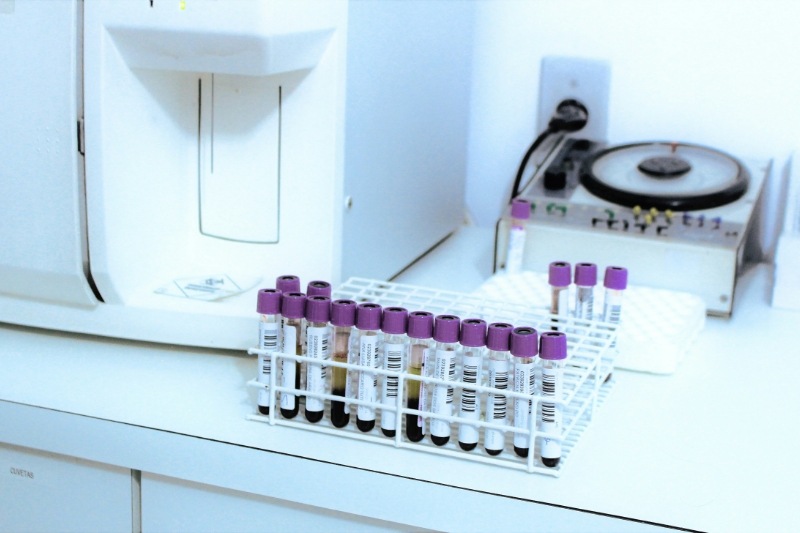
  • What is the purpose of the bio lab?

    Biological laboratories, also known as biosafety or biocontainment labs, are specialized facilities designed to safely handle hazardous biological agents. Through a combination of physical containment barriers and strict management protocols, these labs prevent or control the exposure of lab personnel and the environment to harmful organisms. They are essential for research in numerous fields, including virology, cell biology, animal studies, genetic recombination, microbiology, biomedicine, and biochemistry.


    A typical biological laboratory consists of a main lab area and several auxiliary support rooms. Before beginning construction, it's crucial to understand the different types of biological labs, as each classification requires a unique design approach to meet specific safety and research needs.


    Types of Biological Laboratories


    PCR (Gene Amplification) Laboratory

    A PCR (Polymerase Chain Reaction) laboratory is a molecular biology facility designed for amplifying specific DNA segments. This process, which can be thought of as a form of "in-vitro DNA replication," allows researchers to use a DNA gene tracking system to rapidly and accurately quantify viral loads in patients with nanoscale precision. Operating a PCR lab requires strict management systems, standardized operating procedures (SOPs), and comprehensive quality control documentation to ensure accurate results, biological safety, and long-term operational stability in compliance with health regulations.


    HIV (AIDS) Laboratory

    An HIV laboratory is dedicated to testing for the Human Immunodeficiency Virus (HIV) or its markers. These labs analyze human blood, bodily fluids, tissues, organs, and related biological products to detect the virus itself, its antigens, nucleic acids, or the corresponding antibodies.


    Aseptic Laboratory

    Often a small, isolated room (typically 4-5 square meters) within a larger microbiology lab, an aseptic lab is built with sealed materials like paneling and glass. It is preceded by a buffer room with offset doors to prevent airborne contaminants from entering. Both the aseptic room and buffer room are sealed and equipped with air handling systems that feature high-efficiency air filters. By establishing a sterile environment with sterile materials, researchers can study specific, known microorganisms without cross-contamination.


    Cleanroom Laboratory

    A cleanroom is a completely sealed environment where air quality is precisely controlled. An HVAC system circulates air through a series of pre-filters, medium-efficiency filters, and high-efficiency (HEPA) filters to maintain a controlled, low concentration of airborne particles. Key parameters controlled in a cleanroom include dust particle count, microbial colony count, air exchange rate, pressure differential, temperature, humidity, illumination, and noise levels.


    Animal Laboratory (Vivarium)

    Also known as an animal facility, this building is designed for housing and breeding laboratory animals under specific environmental conditions. Maintaining a controlled environment is critical to ensure the health of the animals and the accuracy of experimental results. Based on the level of microbial control, they are categorized into open systems, barrier systems, and isolator systems.


    BSL-2 Laboratory

    This refers to a Biosafety Level 2 laboratory. The World Health Organization (WHO) classifies infectious microorganisms into four risk groups based on their pathogenicity and transmission risk. Accordingly, biological laboratories are classified into four corresponding safety levels (BSL-1, BSL-2, BSL-3, and BSL-4), with BSL-4 being the highest. BSL-2 labs are suitable for work involving agents that pose a moderate potential hazard to personnel and the environment.


    Microbiology Laboratory

    A laboratory dedicated to the study of microorganisms. Its design differs significantly from general labs and requires specific safety features. A comprehensive microbiology lab typically includes a preparation room, washing area, sterilization room, aseptic room, constant-temperature incubation room, and a general lab area. Advanced facilities often incorporate cleanroom technology with filtered air, modular clean panels for walls and ceilings, and epoxy self-leveling floors, with clear separation between non-purified, gowning, and purified zones.


    BSL-3 Laboratory

    A Biosafety Level 3 laboratory is a high-containment facility. The entire lab is sealed and maintained under negative pressure to ensure that no air can leak out, thus preventing environmental contamination. BSL-3 labs are required for work with indigenous or exotic agents that can cause serious or potentially lethal disease through inhalation. Examples include SARS virus, Bacillus anthracis (anthrax), Yersinia pestis (plague), Mycobacterium tuberculosis, and Rabies virus.


    Cell Culture Room

    As a support facility within a microbiology lab, a cell culture room provides a highly controlled environment for growing bacteria and other microorganisms.

    By managing temperature, humidity, lighting, pH, and sterility, researchers can cultivate microorganisms for identification, research, and pharmaceutical applications. All work must be performed using aseptic techniques to prevent contamination.


    Biosafety Level (BSL) Classifications for Laboratories

    • BSL-1 (Level 1): Suitable for work with agents that pose a low risk to personnel and the environment. These agents are not known to consistently cause disease in healthy human adults.
    • BSL-2 (Level 2): For agents that pose a moderate hazard to personnel and the environment. These agents can cause human disease, but effective preventive measures and treatments are available.
    • BSL-3 (Level 3): For agents that can cause serious or potentially lethal disease through aerosol transmission. These agents pose a high risk to individuals and the environment, though preventive or therapeutic treatments may be available.
    • BSL-4 (Level 4): Required for work with dangerous and exotic agents that pose a high individual risk of life-threatening disease, may be transmitted via aerosols, and for which there are no available vaccines or treatments.


    Guiding Principles for Biological Laboratory Construction

    Scientific Containment Principle: The core idea is to contain pathogens within a defined space, preventing them from escaping into the open environment. Primary containment is achieved through devices like biosafety cabinets, while secondary containment is the lab structure itself. All air and water from the containment area must be treated (e.g., via HEPA filtration) before being discharged.


    Safety-First Principle: Safety is the ultimate goal of laboratory construction. Any design feature that compromises safety must be rejected. All parameters, including convenience, cost, and aesthetics, must be secondary to ensuring biological safety.


    Risk-Based Design Principle: Before construction, a thorough risk assessment of the pathogens and research activities must be conducted. This informs a scientific and rational conceptual design, followed by a detailed process layout, and finally the specific design of HVAC, electrical, and control systems.


    Management and Compliance Principle: The laboratory must be managed in strict accordance with national and international biosafety regulations. This involves classifying pathogens by risk and managing laboratories by their corresponding biosafety level.


    Exposure Minimization Principle: While research requires interaction with pathogens, contact should be minimized. If a task can be done in a lower-containment zone, it should not be done in a higher one. Unnecessary personnel should not enter the lab. After use, the lab must be promptly decontaminated and sterilized.


    Prevention Principle: All critical safety equipment, such as biosafety cabinets, exhaust air filters, and autoclaves, must be certified to ensure zero leakage. This principle extends to the entire workflow, including the secure transport of samples. Using IATA-compliant transport solutions, such as a 95kPa specimen bag, is essential to prevent leaks and ensure the safe containment of infectious substances during transit, protecting both personnel and the public.


    Usability Principle: While ensuring safety, the laboratory design should also be practical and convenient for the personnel who will be working in it. Consulting with end-users during the planning phase is essential for an efficient workflow.


    Cost-Effectiveness Principle: Within the non-negotiable framework of safety, laboratory construction should be cost-effective. The facility must be fully functional, reliable, and compliant.