When planning a new operating room or upgrading existing facilities, hospitals often need to decide between ceiling-mounted surgical lights and mobile surgical lights. Both provide focused illumination, but the right choice depends on room layout, surgical requirements, installation conditions, and budget.
This guide compares both options to help hospitals, medical equipment distributors, and project contractors choose suitable surgical light solutions for their needs.
What Is a Ceiling-Mounted Surgical Light?
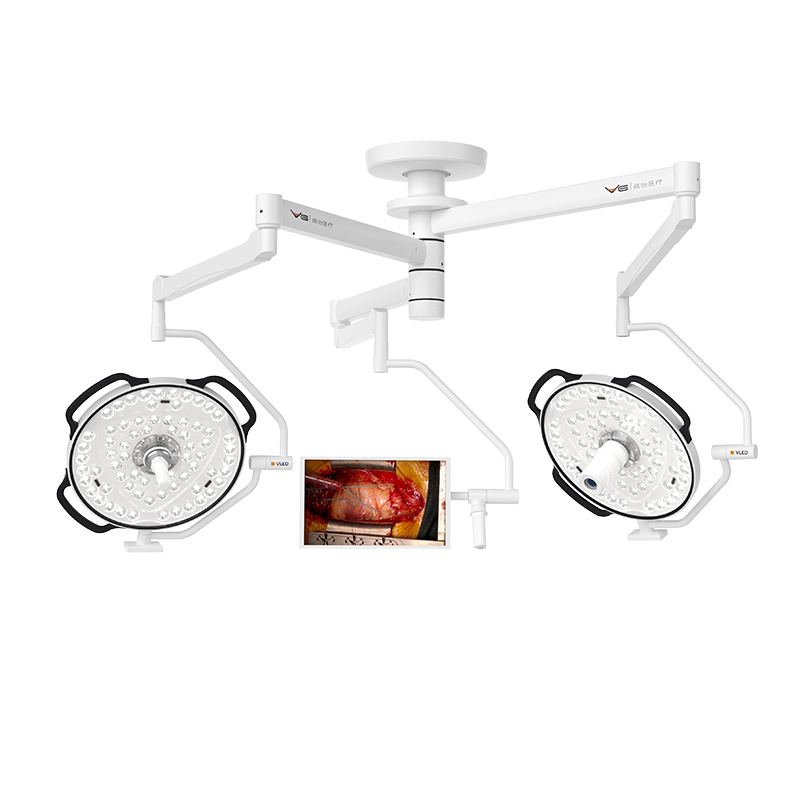
VLED SERIES Ceiling-mounted surgical lights
A ceiling-mounted surgical light is fixed to the ceiling using a support structure and adjustable arms. It provides stable illumination while keeping the floor clear for surgical teams and other equipment. This design is often preferred for permanent operating rooms where lighting equipment is used frequently.
Before installation, hospitals should consider ceiling load capacity, mounting height, power supply, and the arrangement of surgical tables and medical pendants. Although ceiling-mounted lights offer convenient positioning, they require proper planning and professional installation.
What Is a Mobile Surgical Light?
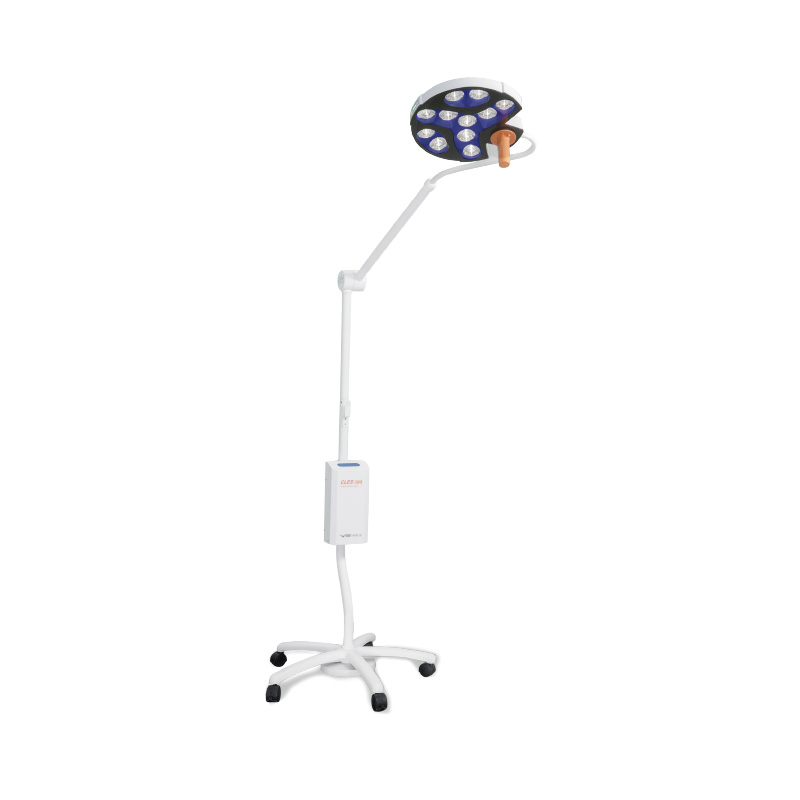
CLED 328/ 388 Mobile LED surgical light
A mobile surgical light uses a wheeled base, allowing staff to move it between rooms when needed. It can be a practical option for examination rooms, outpatient clinics, treatment areas, and facilities that need flexible equipment arrangements.
Hospitals should check the light's illumination performance, base stability, movement space, and power requirements. Battery availability also varies by model. Mobile lights offer flexibility, but their suitability for complex surgical procedures depends on the product specifications and clinical requirements.
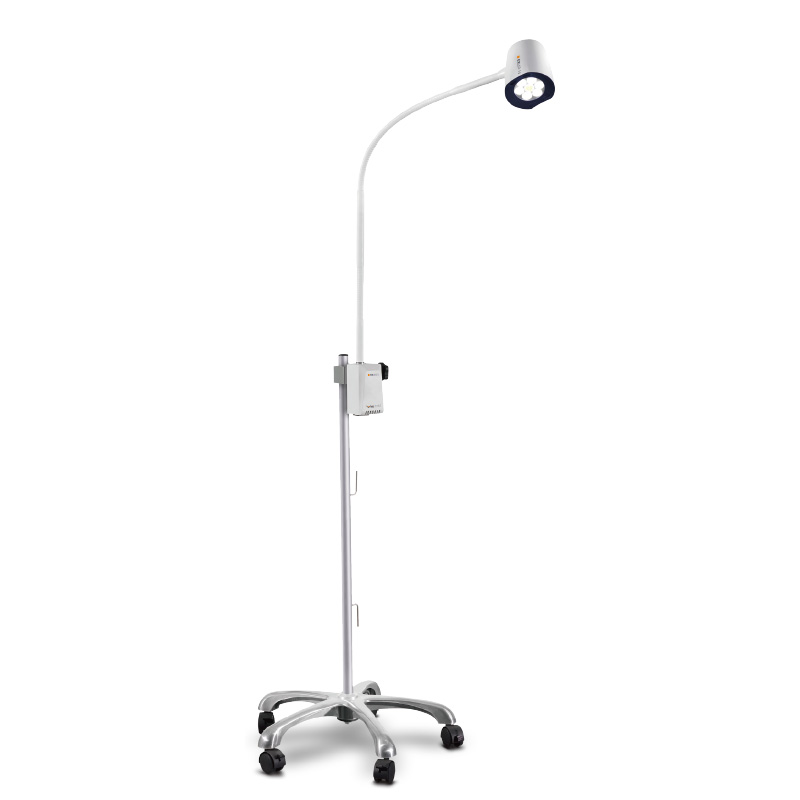
EXLED 15 Mobile Surgical Lights
Ceiling-Mounted vs. Mobile Surgical Lights: Key Differences
| Comparison Factor | Ceiling-Mounted Lights | Mobile Lights |
|---|---|---|
| Installation | Requires fixed ceiling installation | Usually requires no fixed ceiling mounting |
| Space Utilization | Keeps the floor clear | Needs parking and movement space |
| Mobility | Adjusted around the mounting point | Can move between suitable rooms |
| Infrastructure | Requires structural and electrical planning | Requires suitable power access |
| Maintenance | Arms, mounting structure, and electrical parts | Wheels, base, arms, and electrical parts |
| Typical Applications | Permanent operating rooms | Examination rooms and flexible treatment areas |
Neither option is automatically better for every hospital. The decision should reflect clinical use, room design, equipment configuration, and long-term operating requirements.
Which Surgical Light Is Better for Different Hospital Settings?
New Operating Room Construction
Ceiling-mounted lights are often a practical choice for new operating rooms because their positions can be planned alongside surgical tables, medical pendants, and other equipment. Early coordination helps avoid installation conflicts.
Existing Hospitals and Renovation Projects
Older buildings may have structural limitations or restricted ceiling space. Mobile lights can offer an alternative when installing fixed equipment is difficult, provided their performance meets the intended clinical requirements.
Outpatient Clinics and Treatment Rooms
Mobile lights are useful where equipment needs to serve multiple rooms. Staff can reposition them as needed, although storage space, movement routes, and cleaning procedures should be considered.
High-Volume Surgical Departments
Departments with regular surgical schedules may benefit from fixed lighting arrangements that support consistent workflows. The final choice should also account for positioning flexibility, maintenance access, and the requirements of each procedure.
What Specifications Should Hospitals Compare Before Buying?
Installation type is only one part of the purchasing decision. Hospitals should compare the following specifications across suitable models:
- Illuminance: Confirm that the adjustable light output meets the intended clinical application.
- Color rendering index: Check how accurately tissue colors can be distinguished under the light.
- Color temperature: Review the available settings and adjustment range.
- Light field and shadow management: Evaluate illumination coverage and performance when the light path is partially obstructed.
- Positioning: Assess arm movement, lamp-head adjustment, and ease of handling.
- Cleaning: Check whether surfaces and handles are suitable for the facility's cleaning and disinfection procedures.
- Power supply: Confirm electrical requirements and battery options, where applicable.
- Compliance documentation: Request relevant certifications, test reports, and regulatory documents for the target market.
For product comparisons, hospitals can review the CLED 328/388 surgical light, the EXLED 15 examination light, and the VLED surgical light. Always verify the installation options and technical specifications of the individual model before purchasing.
Installation, Maintenance, and Total Cost of Ownership
The total cost of a surgical light includes more than its purchase price. Ceiling-mounted systems may require structural assessment, installation, and commissioning. Mobile units may reduce fixed installation requirements but need adequate storage, movement space, and maintenance of wheels and bases.
Both types require routine cleaning, electrical inspections, preventive maintenance, and access to replacement parts. Hospitals should compare quotations based on the complete configuration, installation conditions, warranty, service support, and expected usage rather than equipment price alone.
How to Choose a Reliable Surgical Light Manufacturer
For hospitals and distributors purchasing in volume, a reliable manufacturer should provide clear technical documentation, consistent quality control, suitable product configurations, and responsive after-sales support. Experience with international medical equipment projects can also help buyers assess delivery arrangements, documentation, and product suitability.
Before placing an order, confirm product availability, lead times, applicable regulatory requirements, spare-parts support, and the scope of technical assistance. These details are particularly important for projects involving multiple operating rooms or different installation types.
Why Consider VG Medtech for Surgical Lighting Solutions?
VG Medtech offers surgical and examination lighting options for different medical environments. Hospitals, distributors, and project contractors can compare available models according to installation requirements, illumination specifications, and intended applications.
Review the relevant product documentation and discuss your project requirements with the supplier before finalizing a configuration. A clear understanding of room conditions, clinical needs, and maintenance expectations will help your team make a more informed purchasing decision.
Looking for surgical lighting for a hospital or medical project? Contact VG Medtech to discuss product specifications, available configurations, and procurement requirements.